United Ostomy Associations of America
  • HOME
  • OSTOMY INFORMATION
    • Ostomy Information
      • What Is An Ostomy?
      • Living with an Ostomy: FAQs
      • Diet + Nutrition
      • Ostomy Skin Care
      • Sexuality
      • Bill Of Rights
      • New Ostomy Patient Guide
    • My Ostomy
      • Ileostomy
      • Colostomy
      • Urostomy
      • J-Pouch
      • Continent Diversions + Other Ostomy Types
      • Temporary Ostomy
      • Short Bowel Syndrome
      • Español
    • Children to Young Adults with Ostomies
      • Infant/Toddler (0-3 Years)
      • Preschool (3-5 Years)
      • Elementary School (6-9 Years)
      • Pre-Adolescent (10-13 Years)
      • Adolescent (14-18 Years)
      • Young Adult (18-25 Years)
      • Parents & Clinicians Resources
      • Know Your Rights
      • What To Expect After Surgery
      • Odor Control
      • Fast Facts
      • Ostomy Game
    • Crohn’s Disease & Ulcerative Colitis Information
      • Defining, Caring and Treating
      • Preparing for Ostomy Surgery
      • Common Issues, Managing Diet, Mental Health
      • Intimacy, Fertility and Pregnancy
      • Resources
    • General Information
      • UOAA Ostomy Marketplace
      • Product + Supply Information
      • UOAA Resources Library
      • Resources for Nurses/Home Health
      • Travel Tips + TSA
      • Donate Your Ostomy Supplies
      • Emergency Supplies
      • Related Links
      • UOAA Virtual Ostomy Clinic
      • Outpatient Ostomy Services Locator
  • SUPPORT
      • discussion
        Ostomy 101:
        Easily communicate “What is an ostomy?" with our infographic.

        Read More

    • Find Support
      • Support Group Finder
      • Support Group Websites
      • UOAA Virtual Ostomy Clinic
      • Online Peer and Ostomy Support Programs
      • Outpatient Ostomy Services Locator
      • Find a Mental Health Provider
      • Find an Ostomy Nurse
      • Online Discussion Board
      • Apps for Ostomates
      • Emotional Concerns
    • Connect With Us
      • Start/Affiliate Your Group With UOAA
      • Resources For ASGs
      • National Membership
      • Sign Up for Our E-Newsletter
    • Participate
      • Attend An Event
      • Become An Advocate
      • Join Us for a Conference
      • Make A Donation
      • Become a Member of The Phoenix Society
      • Donate Your Ostomy Supplies
      • Take A Survey
  • ADVOCACY
      • portal
        Roadmap to Establishing Outpatient Ostomy Services
        Documents that are available as PDFs to download and print.

        Read More

    • About
      • Advocacy Program
      • Advocacy Priorities
      • 10 Questions to Help You Speak Up and Self-Advocate
    • Get Involved
      • Understanding the Medicare Competitive Bidding Program 2025 Ruling
      • Take Action
      • Join Advocacy Network
      • How to Be An Ostomy Champion
      • Ostomy Awareness Day
      • Roadmap to Establishing Outpatient Ostomy Services
    • Tools and Resources Library
      • Non-Medical Switching Resources
      • Ostomy and Continent Diversion Patient Bill of Rights
      • Restroom Access Self-Advocacy Tools
      • Travel Tips + TSA Communication Card
      • Swimming with an Ostomy
      • Mythbusters Infographic
      • Workplace Resources
      • Aging with an Ostomy or CD
    • Take Control of your Healthcare
      • UOAA Virtual Ostomy Clinic
      • Know Your Ostomy Checklist
      • Know Your Ostomy Supplies Checklist
      • Physician Visit Checklist
      • Know Your Health Care Insurance
      • Know Your Pouching System
      • Know What’s in Your Medical Record
  • WHO WE ARE
      • Have a Question for Us?
        UOAA is a 501(c)(3) nonprofit organization that supports, empowers, and advocates for people who have had or who will have ostomy or continent diversion surgery.

        Contact Us

    • About Us
      • Our Mission + History
      • Our Leaders
      • National Sponsors + Partners
      • National Membership
      • Contact Us
    • How We Help
      • Advocacy
      • Awareness
      • Support
      • National Conference
      • Ostomy Nurse Scholarship
    • Get Involved
      • Volunteer
      • Become A Leader
      • Join A Committee
      • Career Opportunities
      • Sign Up for Our E-Newsletter
  • LATEST
  • EVENTS
    • Ostomy Awareness Day
    • Run For Resilience 5K
    • Ostomy Academy
    • Educational Webinars
    • 2025 National Conference
    • Calendar
  • GIVE NOW
  • SEARCH
  • Menu Menu

A Quick Guide to Urostomy Basics
Ostomy Basics, Urostomy

Have questions about a urostomy? Worried that getting one will change your life dramatically? Terrified of the idea of one and wondering what people will think?

By Robin Glover

Don’t worry. These are normal feelings. Nobody likes the idea of getting a urostomy – at first. However, if you talk to people who’ve had one a while, they’ll tell you how much it’s improved their lives, and likely saved it.

So feeling a little apprehensive (or a lot) is completely expected. But getting a urostomy should not hold you back from living the life you’ve always wanted. Will it change your life? Yes, but likely for the better compared to past bladder issues.

What Is A Urostomy?

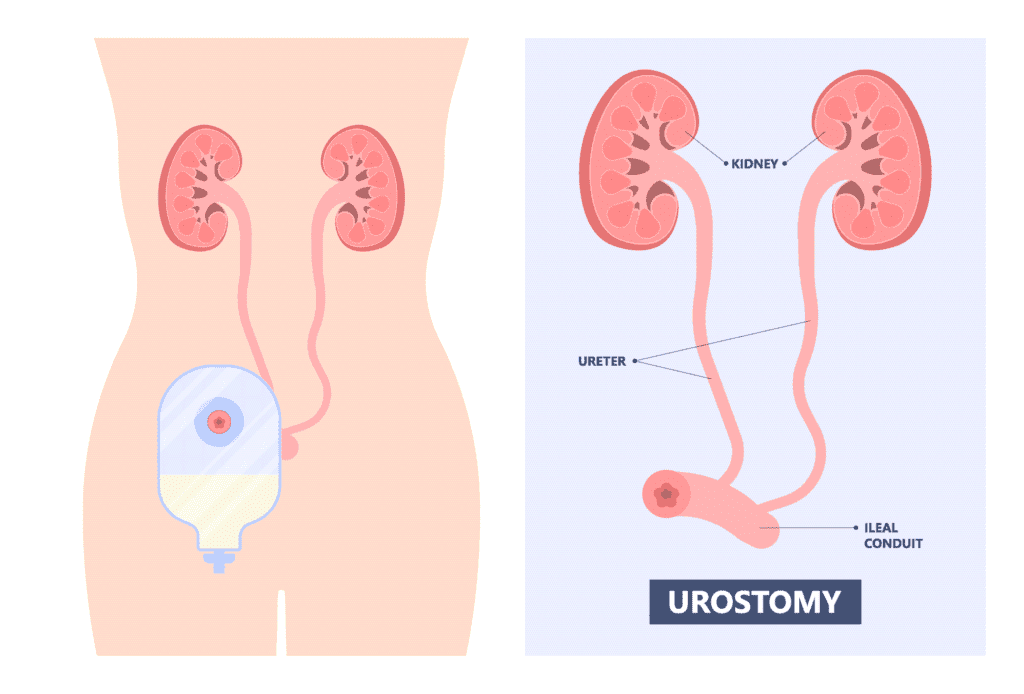
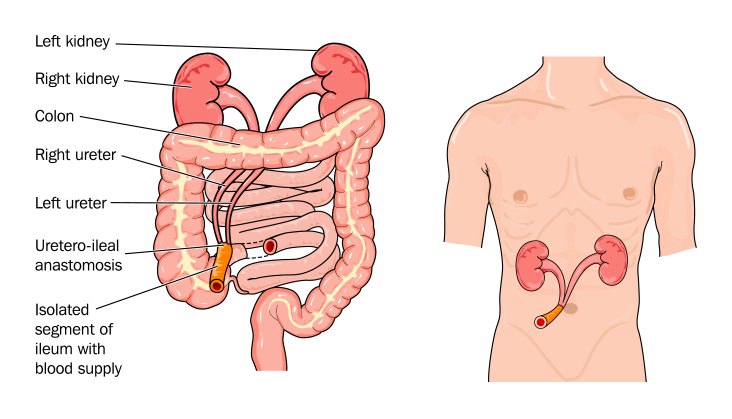
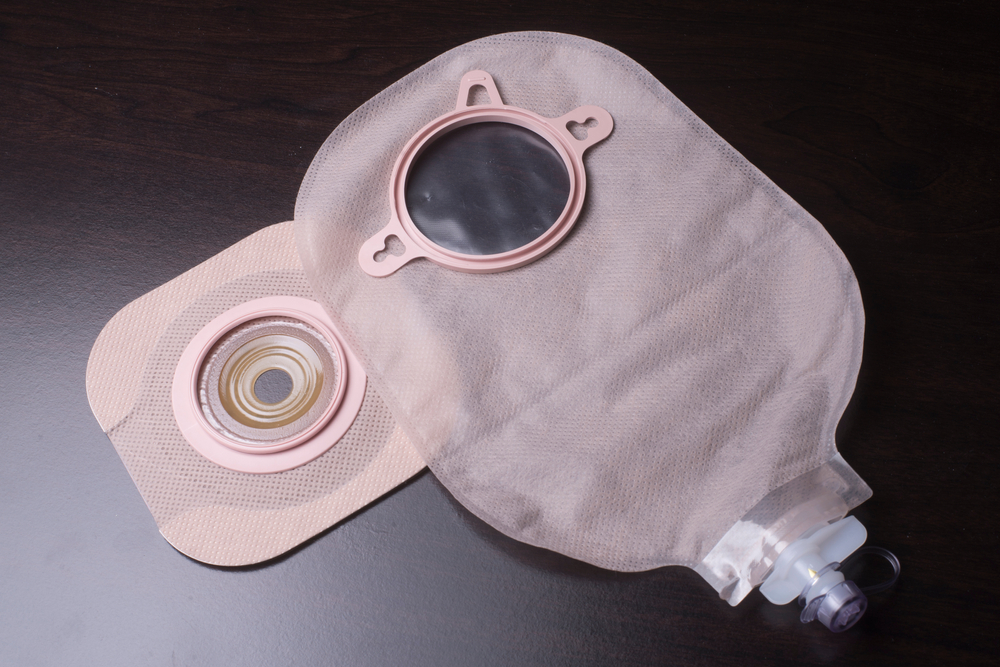
A urostomy allows urine to leave the body without the need of a bladder. Also known as an ileal conduit, it is a surgically-created pathway that channels urine through the intestine to an opening on the abdomen. This opening, known as a stoma, is covered by an external pouching system that collects the liquid.
Why Do People Need A Urostomy?

People need a urostomy because their bladder has either been removed or doesn’t function properly. This is most often due to bladder cancer, but can also be the result of an injury or disease. In other cases, people are born with a non-functioning bladder and benefit from a urostomy their entire lives.

Is A Urostomy Gross?

No. Not at all. They do not cause an odor, and most people won’t even know if someone has one. Getting a urostomy is often a life-saving procedure that allows people to resume their everyday lives. Most people find it much easier and more sanitary to have a urostomy than deal with an incontinent bladder.

Will A Urostomy Affect My Daily Life?

There will be some adjustments after surgery, but most people who get a urostomy can usually do more things than they could before. You won’t need to worry about the embarrassment of having an accident in public or always needing to know where the nearest bathroom is. But most of all, you’ll be able to live a longer and healthier life.

Is A Urostomy The Same As A Colostomy?

While they share similar mechanisms in how they function, a urostomy helps people with bladder incontinence. A colostomy helps people with stool incontinence. Both use a pouching system to collect what comes out, and both are sanitary and safe without any odor when closed.  Urostomy pouches have a tap or valve to allow the urine to be drained quickly and easily. Overnight options are available for nighttime drainage convenience.
How Many People Have A Urostomy?

You are not alone. An estimated 725,000 to one million people in the United States have an ostomy or continent diversion. Colostomy and ileostomy surgery are the most common ostomy types but many thousands of people of all ages and backgrounds have a urostomy or urinary diversion. For a bit of inspiration read a few of their patient stories on our blog.

How Will A Urostomy Change My Diet?

You can eat whatever you want when you have a urostomy. Of course, this is barring specific restrictions from your doctor or other dietary limitations unrelated to having a urostomy. But, in general, there are no restrictions to what you can eat with a urostomy but information on the importance of hydration and other good health practices are covered in our ostomy nutrition guide.

What Is A Continent Urostomy?

A continent urostomy involves a surgically formed internal reservoir that allows control of when urine is released from the body. It usually involves a catheter that’s inserted into the stoma. Continent urostomies can also be routed through the urethra so urine is released from the body in a more typical fashion. Check out our Continent Urostomy Guide for more information.

Does A Urostomy Decrease Life Expectancy?

The answer is no. Urostomy surgery is a way to help people live longer and more fulfilled lives. So if you’ve been told you need a urostomy, as much as you might not think so right now, you’ll probably be glad you had it.


These are probably just a few questions you have about a urostomy. Luckily, there are people all over the world happy to help you. First of all, your Wound, Ostomy, and Continence (WOC) nurse is there to teach and help you. But practical advice and emotional support are always just a click away in online communities and by finding a UOAA Affiliated Support Group near you. Just remember that only your doctor and WOC nurse know the unique circumstances of your condition.

For more information on urostomies, please visit our Urostomy Facts Page.


Robin Glover is a writer based in the Houston area. He has a permanent ostomy after being diagnosed with Crohn’s Disease in 2017.




Related

January 24, 2022
Tags: bladder cancer, ileal conduit, incontinence, incontinent bladder, night drainage bag, ostomy concerns, stoma, urinary, urine, urostomy answers, urostomy bag, urostomy pouch, urostomy questions
Share this entry
  • Share on Facebook
  • Share on X
  • Share on WhatsApp
  • Share on Pinterest
  • Share on LinkedIn
  • Share on Tumblr
  • Share on Vk
  • Share on Reddit
  • Share by Mail
https://www.ostomy.org/wp-content/uploads/2022/01/urostomy-graphic-with-pouch.png 1319 1945 Contributor https://www.ostomy.org/wp-content/uploads/2017/02/UOAAlogofinal2.png Contributor2022-01-24 13:58:492022-01-25 10:28:09A Quick Guide to Urostomy Basics
You might also like
A Worldwide Movement For Ostomy Rights!
Get Answers and Find Friends at the Virtual Ostomy Symposium
‘UOAA Has Been A Lifesaver for Me’ Says New Ostomate
Lacee Harper’s Story
Ostomates Take on Their Toughest Challenge… Kids
Kya’s Story
2 replies
  1. Susan
    Susan says:
    April 10, 2024 at 3:59 pm

    can illeal conduit procedures be performed with cadaver issue?

  2. Dawn Garig
    Dawn Garig says:
    May 12, 2024 at 1:39 pm

    Does anyone know the most years a urostomy has lasted on a person?

Comments are closed.

Our Categories

Advocacy (78) Caregivers (19) Colorectal Cancer (19) Colostomy (138) Continent Diversions (8) Digital Sponsor (77) Disaster Preparation (4) Emotional Health (61) Events (32) Exercise/Sports (47) Fashion/Clothing (11) Healthcare (21) IBD (52) Ileostomy (181) J-Pouch (7) jejunostomy (7) Membership (3) Nutrition (19) Ostomy 5k (19) Ostomy 5k (15) Ostomy Awareness (55) Ostomy Basics (55) Ostomy News (94) Ostomy Nurse (13) ostomy reversals (12) Ostomy Supplies (2) Ostomy Tips (93) Ostomy Videos (4) Patient Stories (96) Pediatric Ostomy (4) Personal (63) Research (3) Sexuality (12) Short Bowel Syndrome (16) Skin Care (9) Social Life (5) Support Group News (12) Support Resources (15) Teens (3) Travel (11) UOAA Conference (17) UOAA History (3) UOAA Volunteers (3) Urostomy (111) Young Adult (7)

Support Us:

Your Donation Funds UOAA Educational Programs:

DONATE TODAY
SUSTAINING GIFT
BECOME A MEMBER
UOAA E-NEWS SIGN UP
Get updates on events, national advocacy and important topics in the ostomy and continent diversion community.

Contact Us


United Ostomy Associations of America
P.O. Box 2293
Biddeford, ME 04005-2293

Virtual Ostomy Clinic

Contact UOAA

Donate Your Supplies

Call us toll-free at: 1-800-826-0826.
Our Information Line hours are Monday-Friday, 9am to 3pm EST. If you have an emergency, please dial 911 or contact your local medical professional.

Please understand that UOAA is a private, nonprofit, advocacy and informational organization. We are not a medical facility and we do not have medical or legal professionals on staff. Therefore, UOAA does not provide Medical, Mental Health, Insurance or Legal Advice. Visit UOAA Virtual Ostomy Clinic provided by The Wound Company for non-emergency, virtual ostomy support.

Privacy Policy

Get Involved

UOAA is the leading organization proactively advocating on behalf of the ostomy community. Recognizing that we are always stronger together, we encourage everyone to get involved by joining our Advocacy Network. We’ve also created several Advocacy Tools and Resources to help you successfully advocate on behalf of the ostomy community to ensure every ostomate receives quality care.

UOAA Run for Resilience Logo

UOAA does not and shall not discriminate on the basis of race, color, religion (creed), gender, gender expression, age, national origin (ancestry), disability, marital status, sexual orientation, or military status, in any of its activities or operations.

Digital Health Award
© 2005-2026, UOAA. All Rights Reserved l Design by Tap House Media
  • Link to Facebook
  • Link to X
  • Link to Pinterest
  • Link to LinkedIn
  • Link to Youtube
  • Link to Mail
  • Link to Instagram
Link to: Barrier considerations to obtain your fit Link to: Barrier considerations to obtain your fit Barrier considerations to obtain your fit Link to: Your Ostomy is Just the Beginning- Part 2 Link to: Your Ostomy is Just the Beginning- Part 2 Your Ostomy is Just the Beginning- Part 2
Scroll to top Scroll to top Scroll to top