
Finding Bladder Cancer Support Everywhere
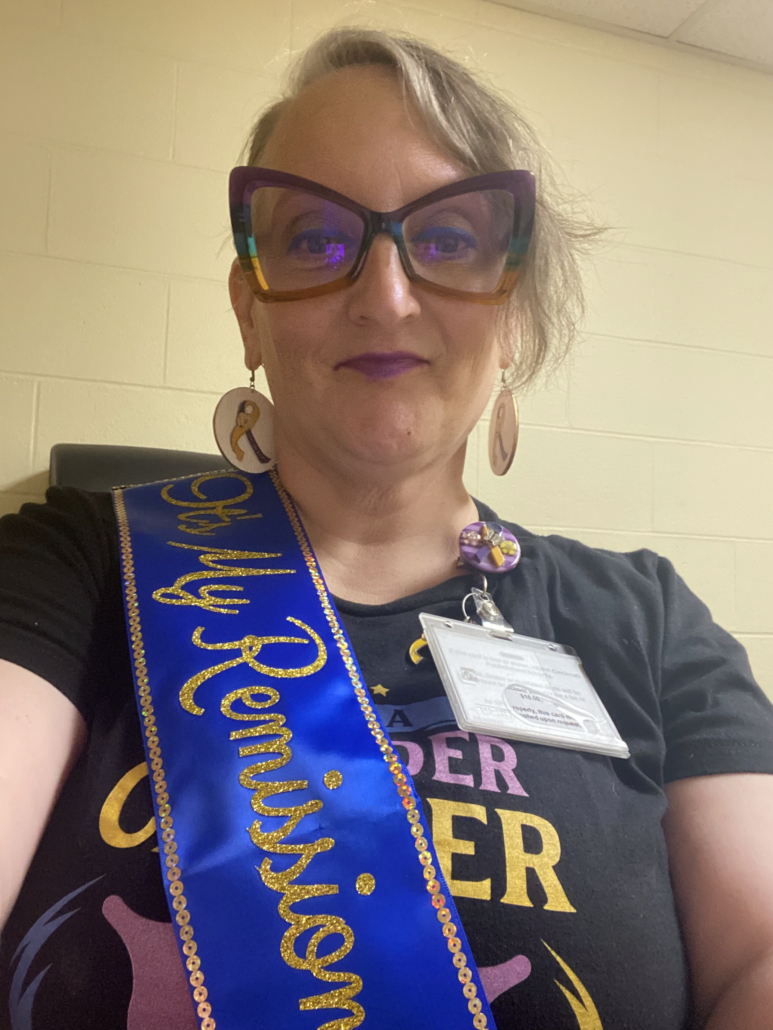
Younger women are not the typical bladder cancer and urostomy patients, but a variety of support and resources do exist to help you
By Liz Hiles
In August 2016, when I was diagnosed with bladder cancer, there was very little information about WOMEN and bladder cancer, let alone finding adequate support for anyone with bladder cancer. Receiving a diagnosis that I hadn’t even heard of before, didn’t know the symptoms for, and had never heard of anyone I knew who had faced the diagnosis, my first thought at 40 years old was, “I’m too young to die.”
I really thought that I would surely die when I received my diagnosis, especially since I had been going to the Emergency Room periodically for years and was gaslit, ignored, and brushed off every single time. I was a deer in headlights and didn’t know what was coming or where to look for what I needed.
Going into a cancer diagnosis, many have cancer blinders on — meaning the only thing they can think about is cancer, treatment, and trying to survive. For 8 months to a year, I lived with those blinders on. I was too exhausted to think outside of any box or do any extra activities. When I went back to work in April 2017, it was all I could do for several months was make it through the work day and get home. Outside of that, I slept deeply.
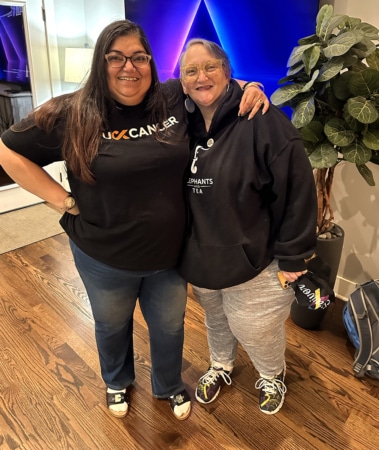
While I was waiting for surgery, I tried finding a bladder cancer support group near me. There was absolutely nothing. When I asked my urology oncology surgeon, his only suggestion was to “try Facebook.” Yes, there absolutely are lots of groups on Facebook. I’m always a bit wary of those, as they are not always run ethically and are never moderated by licensed therapists or social workers, so the information and support you get is not always accurate or appropriate. I proceeded with caution there.
At some point during treatment, I found some support websites and even an online chat via website or app that I was able to utilize. All focused on cancer in some way. They were moderately helpful, but I didn’t feel a strong connection, inclusivity on multiple levels, and a deeper understanding of my experiences. After I struck out at my local Cancer Support Community location, I recalled my WOC nurse telling me about an ostomy group. I couldn’t remember the name or find the information she gave me, so I called her up. After a brief but extremely helpful conversation about several issues I was having, I had the name of my local UOAA Affiliated Support Group written down and sought them out.
That’s really when the support factor clicked in for me. The first meeting I went to was a social one, at a local restaurant. We met for dinner. There was one gentleman who like me, was also a bladder cancer survivor with a urostomy. Everyone else had fecal diversions of various types. Still, I found more compassion, empathy, and understanding for everything I went through there than I did from any other source I had tried to date.
Support is like putting together a salad and tossing it well. A salad is horrible with just lettuce – you need lots of other ingredients to make it delicious!
Since that time, I’ve expanded my support circles, finding the right mix of cancer, bladder cancer, young adult cancer, ostomy, and spoonie support. I have made connections via the internet, Zoom, and even in person at events like UOAA’s National Conference. My experiences have helped me through some of the most challenging times of the last 10 years.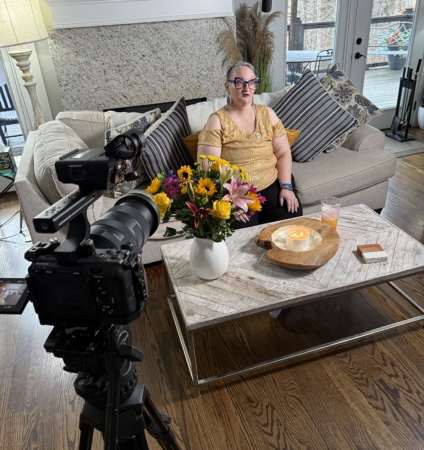
When it comes to support, my advice to anyone facing a new diagnosis is always two-fold:
- Welcome support into your life. You will need it.
- Try a plethora of different support venues: via social media, Zoom, or in-person. Try everything at least twice before making the decision of whether or not you will fit in with the group.
No single group or organization will fit all of your resource or support needs. Support is like putting together a salad and tossing it well. A salad is horrible with just lettuce – you need lots of other ingredients to make it delicious!
Throughout the years, I have managed to come together with individuals and organizations like UOAA to build a wonderful support network for myself. Without support, I would not have made it this far. Without support, I would not have come into the various opportunities that I’ve been fortunate enough to experience and collaborate on.
In January 2026, I had the opportunity to come together with the Tigerlily Foundation and fellow survivors, Dee Masters and Brittney Tellekampto to bring bladder cancer to the forefront of conversations in women’s health and bring more awareness to the disease beyond the stereotypical patient: old, white, chain-smoking, male.
The organization chose to highlight the three of us various backgrounds and experiences.
The three of us were flown into Nashville, TN, for a weekend retreat to film our personal bladder cancer stories and a panel discussion while getting to converse, support, and bond over being launched into a mutual club that no one ever wants to join: the cancer club.
Support continues to help make my life complete. It drives me through the hard days and inspires me to pay acts of kindness forward.
Dee Master is a woman of Indian descent living in the Knoxville, TN area, was diagnosed at 33 with a recurrence 4 years later. She has experienced multiple procedures, including numerous cystoscopies, undergone various treatments, and has managed to retain her bladder.
Brittney Tellekamp was diagnosed with Stage IV Metastatic Bladder Cancer at the age of 28 and underwent a radical cystectomy, full hysterectomy, lymphadenectomy, and received an ileal conduit (stoma). She is speaking out with TigerLilly about sexual health issues for young women with bladder cancer.
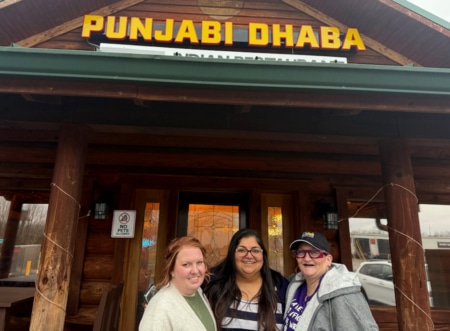
One of the most common themes we noticed was the challenges we faced in finding support that fit our needs and how rare it was to find other young adult women in the bladder cancer realm – especially those willing to talk about their journeys.
Finding support is a critical part of surviving treatment and succeeding in survivorship. Yet it is an area that is often overlooked or ignored by the clinical teams who treat cancer patients.
On May 1, 2026, the Tigerlily Foundation launched its brand new bladder cancer awareness campaign with a new resource page going live on its website. Throughout May and June, more information will be shared, along with video releases of our stories and panel discussion. The organization also plans on concentrated social media posts in October in support of ostomy awareness as well.
Support continues to help make my life complete. It drives me through the hard days and inspires me to pay acts of kindness forward.
_______________________________________
Liz is now 50 years old. A lifelong Cincinnati resident, she works in a school system by day and in her free time, she spends it advocating for various health issues, including bladder cancer, young adult cancer and ostomies. To connect with Liz, go to her Linktree.
Follow the Tigerlily Foundation on Facebook, Instagram, LinkedIn, TikTok, YouTube, and Bluesky to connect with this campaign as it rolls out. To To connect with Dee, find her on Instagram @mamadragon9.









Leave a Reply
Want to join the discussion?Feel free to contribute!