Before my Inflammatory Bowel Disease (IBD) diagnosis at age 17, I always wanted to go to live events: concerts, listening parties, book signings, etc. But as a teen, I knew I held myself back. I didn’t want to look silly by showing up alone, and I’m extremely socially awkward. What if I say the wrong things? Even putting myself back in the thought process makes my skin crawl.

Post-diagnosis and at the beginning of my ostomy surgery process, some of my medical trauma began to manifest as not wanting to be alone. Combined with the social discomfort that fluctuates with an ostomy, like apprehension around leaks, clogged filters, and farts, I created the perfect recipe for opting out of things if I didn’t have a companion.

The summer of 2022 changed things.

I remember being extremely low mentally, in pain, and constantly in and out of the hospital due to a fistula that my doctors hadn’t been able to detect on scans. In that period of isolation, rumination, and reflection, I made a promise to myself that if I ever felt better, I’d take advantage of it and figure out ways to do the things I’ve always wanted to do.

When I was finally healed and ready, I was excited to enjoy some live events, but that didn’t stop the fear and anxiety.

What if I had an emergency? What if I didn’t bring enough ostomy supplies? What if I couldn’t contact my family if I needed them?

I wanted to be safe and really listen to my body. I knew the only way I’d enjoy the experience was if I felt safe and prepared.

Here are some things I find myself consistently doing before, during, and after events that increase my comfort.

My Top Tips for Going Out with IBD or an Ostomy

1. Plan Ahead & Ask Questions

Before making any plans, I have conversations with my medical team and family. Often, they give me insight, reassure me I am physically ok to do certain things, and help me find out more information.

  • ADA Accommodations: I reach out to venues & organizers for ADA (Americans with Disabilities Act) accommodations to have plans & contacts in place if I’m not feeling the best.
    • ADA accommodations can look like:
      • Medical/bigger bag allowance
      • Safe snacks & water from home
      • Priority access to seated spaces
      • Chairs while waiting in line
      • & more! I’m still discovering them myself!
  • Safe Foods: I look into food venues and menus to make sure there are safe options for my IBD and ostomy-friendly eats.
    • To avoid gas/cramping/bloating, I generally don’t eat lots of candy, fried/breaded foods, and carbonated beverages.
    • Raw fruits, veggies, popcorn & nuts, if it’s during the morning & I’m not returning home/to my hotel for an extended period.
    • I don’t consume alcohol at all.
  • Bathroom Access: You can map out restrooms when you get to the venue, but if you can find a venue map online, bathrooms should be listed! Having an official bathroom access card from an IBD or ostomy organization like UOAA is helpful, too!

It’s also always nice to have names to reference staff members you’ve been in communication with, especially to build relationships if this is a place you’ll be frequenting. Repeating this process helped build the foundation of my concert review series on social media!

2. Bring What You Need 

I’ve made several videos documenting what I keep in my concert bag, but I’m never leaving without:

  • Supplies to do at least one ostomy bag change, including a fresh pouch, a barrier, adhesive remover spray, and deodorant
  • Hydration drops
  • Pill container
  • Portable charger
  • Wireless earbuds

The earbuds may seem a little odd because they’re not medically related, but in a crowded, noisy area, or if your hands are full, it’s always nice to just pop an earbud in to make a call. Depending on the temperature and venue rules, I also alternate between a handheld fan and hand warmers.

3. Listen To Your Body

For me, having an ostomy didn’t completely resolve my symptoms or “cure” my IBD. While I completely support research that recommends surgeries that may leave patients with a temporary ostomy and increase remission outcomes, I don’t support surgery being described as “the cure.”

Extraintestinal manifestations or “non-gut related symptoms” can still occur, most of which I’m still managing with a combination of medications and mental and physical therapies.

Fatigue, joint aches, dehydration, etc., are all common with IBD, and I’ve learned that a lot of the “prep” happens long before you decide to go somewhere.

  • Dehydration: Hydrate, hydrate, hydrate. I know it’s annoying to hear it, but I always feel better if I’m properly hydrated.
  • Joint Aches: If there’s prolonged standing, walking, or sitting, I’m usually opting for some type of compression support on my hands, legs, and arches of my feet to combat any swelling or irritation.
  • Fatigue: Getting enough rest before and after solo activities helps with recovery! Generally, I’m taking things slow 1-2 days before and after each event to support my body as much as possible.

These tips are general, but they aren’t one-size-fits-all. Tweak things to your personal needs and don’t feel bad if you make a few mistakes along the way; you’re human! You should always consult your doctors if you have any questions about anything that could affect your treatment or health.

Embracing solo activities isn’t about being alone constantly. Years into this process, I’ve met some of the coolest people during my solo adventures, and I’m so thankful that I’m working towards being comfortable with just myself.

Having self-confidence that helps strengthen this type of exploration still doesn’t always come naturally to me as someone with IBD and a permanent ostomy, but I feel a lot better knowing I’m prepared!

Kaylaa’ is a Coloplast product user who received compensation from Coloplast to provide this information. Each person’s situation is unique, so your experience may not be the same. Talk to your healthcare professional about which product might be right for you.

Coloplast develops products and services that make life easier for people with intimate healthcare needs. Working closely with the people who use our products, we create solutions that are sensitive to their special needs. Our business includes ostomy care, continence care, advanced wound care, interventional urology, and voice & respiratory care.

Follow Coloplast on Instagram, Facebook, and YouTube, or visit us online at https://www.coloplast.us/


Editor’s note: This blog is from a UOAA digital sponsor, Coloplast. Sponsor support along with donations from readers like you help to maintain our website and the free trusted resources of UOAA, a 501(c)(3) nonprofit organization.

Life with an ostomy can stir up deeply vulnerable questions: Will anyone love me like this? Does my ostomy bag make me unattractive? How can I be intimate while managing it? These anxieties often settle in the quieter corners of ostomy life, where many ostomates fear their bodies may never be chosen or desired.

Chloe Olsen has spent her whole life learning what it means to live with an ostomy. In this blog, she draws on more than 20 years of lived experience to share an honest perspective on connection, communication, and confidence. Her insights offer reassurance, perspective, and a reminder to fellow ostomates that they are worthy of love without conditions.

10 tips for intimacy with an ostomy (from a 20+ year ostomate)

Unlike most other ostomates, I never had a “before my ostomy.” I didn’t have to relearn intimacy because I’ve had an ostomy my whole life. This means I learned intimacy with an ostomy bag—first crushes, first touch, first relationships. For me, there was no “before my ostomy” to mourn—just figuring things out in real time like everyone else.

This is the only body I’ve ever been intimate in. Every version of intimacy I’ve ever known has included my ostomy bag. And that’s why I know you don’t owe anyone everything.

This topic in particular is especially important to me because I didn’t grow up seeing bodies like mine being desired or sexualized. I had no idea what intimacy would look like for me because there wasn’t anyone like me out there talking about it. After a lifetime of trial and error, of tender moments and of ones I’d rather forget, I’m sharing my tried and tested intimacy tips for any ostomate who needs straightforward honesty—not sugarcoating.

  1. You don’t owe anyone your medical history.

When meeting someone new, we can sometimes feel obligated to share our medical past. Don’t forget—you get to decide when and how much you share. There were times I would over-explain out of fear, thinking clarity would protect me. It didn’t—boundaries did.

You are not obligated to provide any details you don’t want to share, and this includes any questions you don’t feel comfortable with. A simple explanation is enough.

  1. You get to decide when to tell someone about your ostomy.

The pressure of this used to weigh on me a lot. If I didn’t tell someone soon enough, I would feel as if I were lying to them somehow, like keeping this secret from them was a form of deception. But if I told them right away, it would sometimes change their view of me—or even the way they treated me.

My advice: if you really like someone, tell them about your ostomy bag as soon as possible, as soon as you feel comfortable. Personally, I would always tell them right away, because I find it to be an excellent detector of who isn’t meant to be.

  1. Phrasing is important. Confidence is everything.

If you do decide to tell your intimate partner about your ostomy, your own attitude can make the biggest difference. If you frame it as something positive, like that it gave you your life back, they probably will too! But if you say, “Now I’m forced to live with this for the rest of my life!” it gives your ostomy a negative connotation, and they may be more likely to react negatively as well.

I know it’s easier said than done, but confidence really is everything! If you go in with no fear, as if your ostomy is no big deal, it likely won’t be a big deal to them either.

  1. If someone is uncomfortable, it’s not a reflection of your self-worth.

Not everyone handles it well, and learning not to internalize those reactions took time. But over time, you learn the difference between curiosity and discomfort—and you stop internalizing reactions that don’t belong to you.

Discomfort doesn’t mean you’re undesirable. It means they’re not equipped for your body or your honesty—and that’s not yours to fix.

  1. One-night stands are NOT off the table.

This is one of the biggest things I wish someone had told me! Having only known ostomy life, I let the stigma surrounding it convince me that one-night stands weren’t possible for me—but that’s actually the furthest thing from the truth. Hearing from my close ostomate friends a little bit older than myself, I learned that it’s actually not a big deal. Although it can be scary at first (how would this random stranger react?), one-night stands with an ostomy are not harder, just more intentional. Only share what’s necessary, and prep more so you can think less.

Most importantly, make sure you feel safe. Believe it or not, your ostomy will likely not be their primary focus—in fact, they may not even notice it at all.

  1. Communication is key.

Intimacy isn’t mind-reading, it’s communication—and that goes both ways. At first, I didn’t know how to communicate effectively during intimacy. Partners would assume they could accidentally “break” my bag or hurt me somehow. I learned to speak up for myself through trial, error, and a lot of unlearning silence. Don’t be afraid to just tell them, “I’m not fragile,” or educate them in the moment so they feel comfortable. Communication doesn’t ruin the moment—it makes it possible, and more enjoyable when they better understand your body.

And if they don’t want to take that extra moment of care, then maybe they aren’t worth your time and energy, and that’s your choice to make. Remember—you can always back out or say no.

  1. Prep is not unsexy.

Emptying your ostomy bag beforehand, wearing something that makes you feel secure, maybe even putting on a fresh bag—all these extra steps we take are just taking care of your body, an important part of intimacy. I know it can detract from the spontaneity, but take it from me, you don’t want to risk having a leak during an intimate moment—major mood killer.

Trust me, it’s worth taking the extra time—having peace of mind changes everything.

  1. The right intimacy doesn’t make you feel like your body is a problem.

I’ve felt the difference between being accommodated and being wanted. And once you feel the latter, you stop settling for the former. For too long, I stayed in unhealthy relationships because I didn’t think I deserved better. I believed I was “defective” or “damaged,” and therefore not in a position to be picky or stand up for myself. It took a while, but once I let myself believe that I was worthy to be loved the way I wanted, I never looked back.

You’re not something to tolerate, work around, or “get past.” You’re not less deserving because of your ostomy. You’re the body someone gets to be close to.

  1. Desire without shame.

I grew up feeling a lot of shame around my body, not because of my ostomy, but because of what I was taught to believe about it. In navigating intimacy, I’ve learned that it’s okay to crave it, and it’s okay to communicate your needs.

Desire doesn’t disappear because you have an ostomy or disability—it adapts, like everything else.

  1. There’s no “right” way to do this.

Reminder: You don’t owe intimacy to prove confidence, healing, or normalcy. There’s no timeline for feeling ready. Confidence with intimacy isn’t a finish line. It shifts with age, partners, energy, and life. And that’s normal—ostomy or not. It comes with time and learning to be comfortable in your own body before you can be comfortable with someone else.

If you’re just learning intimacy in your body—you’re not behind, you’re doing it.

Find more support for intimacy with an ostomy on Instagram and in Coloplast’s free e‑book, The Ostomate’s Guide to Intimacy.

Coloplast 
develops products and services that make life easier for people with intimate healthcare needs. Working closely with the people who use our products, we create solutions that are sensitive to their special needs. Our business includes ostomy care, continence care, advanced wound care, interventional urology, and voice & respiratory care.

Chloe is a Coloplast product user who received compensation from Coloplast to provide this information. Each person’s situation is unique, so your experience may not be the same. Talk to your healthcare professional about which product might be right for you.

Follow Coloplast on InstagramFacebook, and YouTube, or visit us online at https://www.coloplast.us/


Editor’s note: This blog is from a UOAA digital sponsor, Coloplast. Sponsor support along with donations from readers like you help to maintain our website and the free trusted resources of UOAA, a 501(c)(3) nonprofit organization.

This ‘Walking Miracle’ has a lot more life to live

By Lisa Bowie

I am 65 years old and have lived with an ileostomy for almost 14 years. I share my story in the hope that I may inspire others.

I was diagnosed with ulcerative colitis in my late 30s. Under the care of a physician, I managed it as best I could, but it would still periodically come out of remission. In 2012, at the age of 52, a flare-up caused my large intestine to rupture. I developed toxic megacolon, and my major organs began shutting down. Unbeknownst to me at that moment, I was within hours of death. A general surgeon performed emergency surgery to remove my entire large intestine in an attempt to save my life.

I woke up after three days in the ICU to find I had an ileostomy. I thought I was out of the woods, but I spent the next four years being hospitalized nine times in three different hospitals across two states, undergoing five major surgeries by four different surgeons. For those four years, it felt like life was passing me by, but I refused to give up. At times, I had to say everything I was thankful for and dreamed of out loud just to get through the day—sometimes even just to get through the next second. My faith in God enabled me to hold on to the belief that there was a light at the end of the tunnel and that I could one day be healed. After my last surgery in 2016, I was finally fully healed. I have been living a full life, albeit with a permanent ileostomy, ever since.

I not only love life, I seize it and savor it.

It was an extremely difficult, at times utterly excruciating, four years. Words fail to describe the full depth and breadth of what I endured. I did not choose this situation, and truthfully, I don’t like it; however, I was determined to survive, and I am determined never to let it define me. Resiliency, perseverance, a “never-ever-give-up” attitude, and an incessant desire to inspire others have helped me through this journey and continue to carry me forward.

I know I’m a walking miracle. My emergency surgeon in 2012 did not expect me to survive the operation. He said I was in the worst condition of any patient he’d ever seen and was ecstatic that I made it. Other surgeons since have shared the sentiment that it is a miracle I’m alive. I am grateful beyond measure for this gift, and I will not waste it. I not only love life, I seize it and savor it. If sharing my story helps just one person, then my journey was worth it.

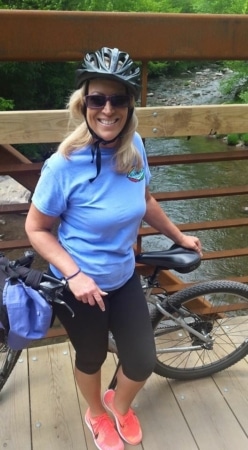
I can testify that it is possible to thrive with an ileostomy. I’m a single mother, and soon-to-be first time grandmother. I have a BS in Physics, an MS in Nuclear Systems Engineering, and I work full time as a nuclear engineer. Since 2012, I have accomplished so many things and continue to pursue new adventures. Here are a few things I’ve done with my ileostomy:

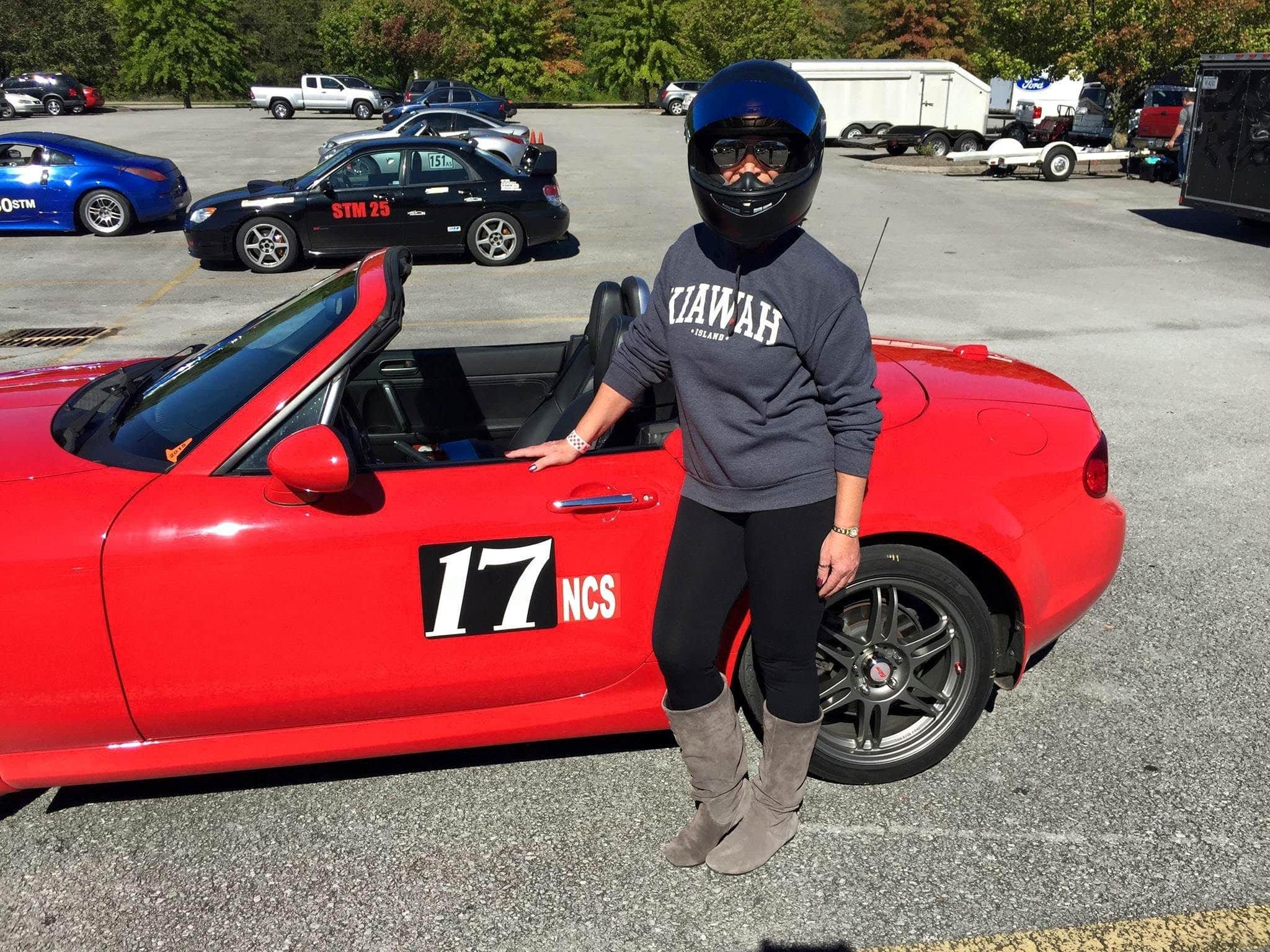
  • Racing and Driving: I raced my personal cars for several years in Autocross. In 2017, I won the Autocross Season Championship (Ladies Class) in the East Tennessee Region of the Sports Car Club of America (SCCA). On three occasions, I’ve driven track laps at the Bristol Motor Speedway in my Miata and Camaro.

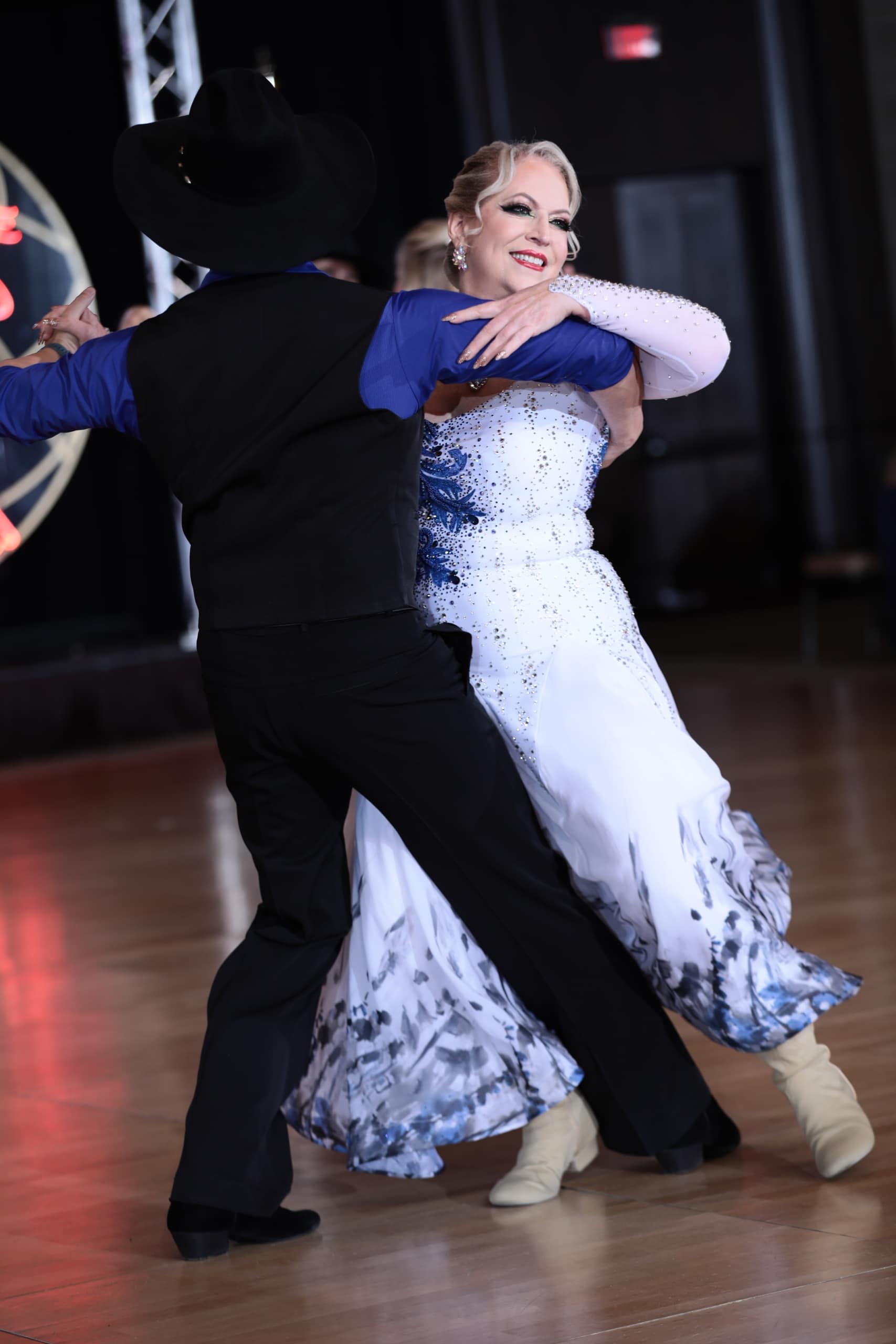
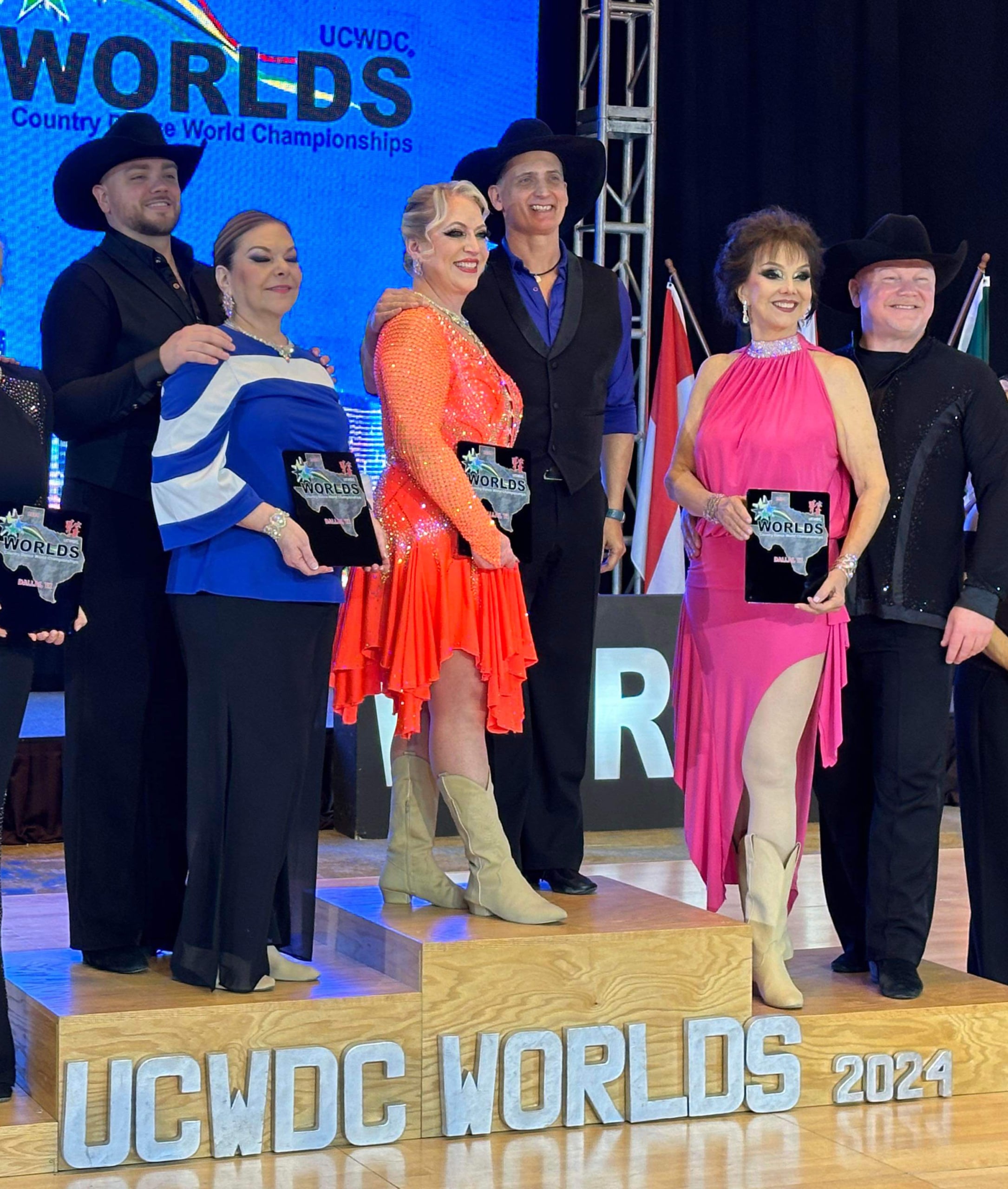
  • Dance: Since 2022, I have competed in couple country dancing in sanctioned United Country & Western Dance Council events. In 2024, I won the title of World Champion in my division after competing both nationally and internationally.

  • Paragliding: In June 2025, I did a tandem paraglide from the 6200-foot Babadag Mountain in Oludeniz, Turkey—one of the highest peaks for commercial paragliding in the world.

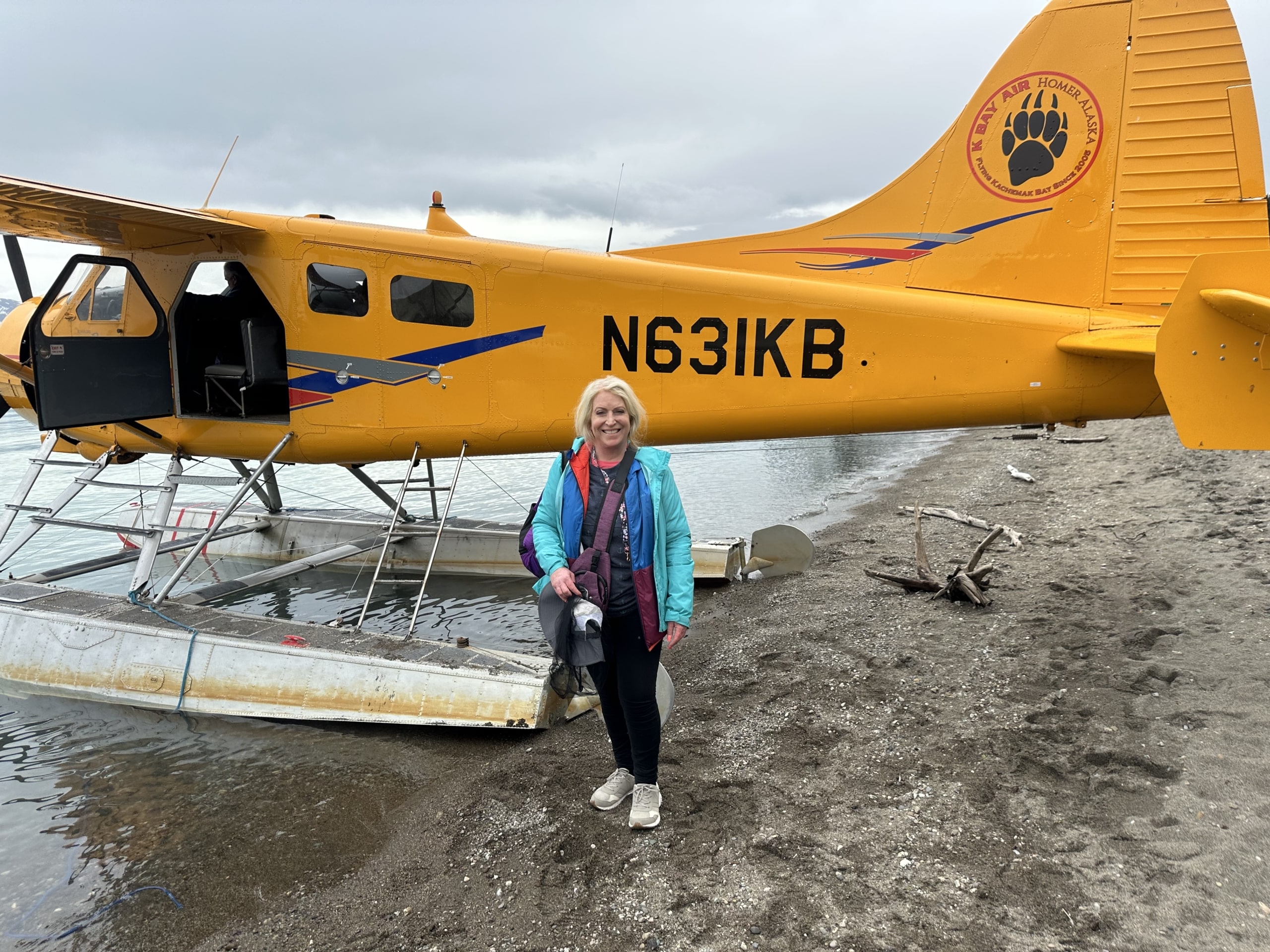
  • Travel: I have traveled extensively, including trips to Alaska, Hawaii, Costa Rica, Ireland, Scotland, Spain, and Turkey.

  • Pageants: In April 2026, I will compete in the Ms. Tennessee Senior America Pageant. If by chance I win, I will move on to the national pageant in October 2026.

  • Community: I volunteer and dance with the “TN Jewels,” a group of women aged 60 and older who perform at nursing homes and assisted living facilities.

  • Active Lifestyle/water sports: I frequently go swimming, boating, kayaking, hiking, sailing, and snorkeling.

  • Writing: I am currently writing my first book—a biography about a young single mother from South Sudan living in Tennessee. She suffered incomprehensible atrocities, and I hope her story will eventually become a movie.

  • Ministry: I aspire to start a ministry to help women dealing with adversity by sharing my story of survival.

I’ve learned that life doesn’t have to be perfect to be beautiful. I choose daily never to let my ileostomy define or limit me. I do not want to live an ordinary life; I want to live an extraordinary one. I am only limited if I limit myself.

I hope that by sharing my story, I inspire others to believe they can achieve any dream their heart desires, even in the midst of adversity. Life is beautiful. Find what makes you smile and go seize it! This is your life—you, too, can make it what you dream it to be.

By LaTesha Harrison-Thompson

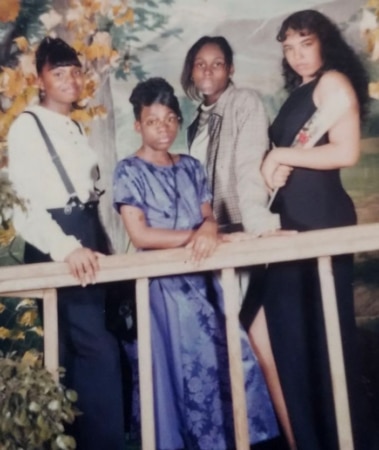
Living with an ostomy can bring about significant changes in your life, but it doesn’t mean you have to give up your social life or let go of cherished friendships. Here’s my story of how I kept my friendships and social life intact while living with an ostomy during my teenage/young adult years.

My friends were more than willing to make small accommodations, whether that meant picking a restaurant with accessible restrooms or planning less physically demanding outings.

Open Communication

Although this was extremely hard, transparency was my first step. I found it helpful to explain my condition to my close friends. It wasn’t always easy, but being honest about my needs and limitations made a world of difference. Their support and understanding grew out of their awareness of my situation, turning what could have been an awkward subject into a source of mutual trust and strength. I didn’t reveal my condition to everyone and most family did not know but the small core that did know was understanding and accepting. Trusting your friends and family to care for you when you are unable is a huge step.

Choosing Comfort and Confidence

I took some time to learn about my new normal, which included finding the right ostomy supplies that worked for me. Comfortable and discreet options boosted my confidence, making me feel more at ease in social settings. This confidence was key to enjoying myself without constantly worrying about my ostomy.

Planning Ahead

For outings and get-togethers, a bit of planning went a long way. I always carried a small kit with extra supplies, and scouted out restrooms when I arrived at new places. This allowed me to relax and have fun without the nagging fear of unexpected issues.

Adapting Activities

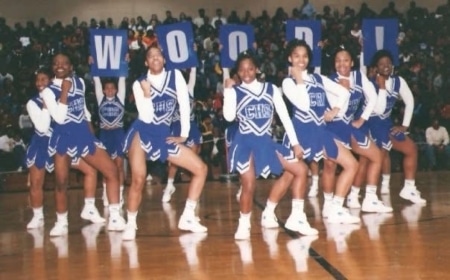
I realized that while some activities might require slight adjustments, I didn’t have to miss out. Whether it was cheerleading, going to the mall, or just a night out, finding ways to adapt and participate fully kept my social life vibrant and my confidence boosted. My friends were more than willing to make small accommodations, whether that meant picking a restaurant with accessible restrooms or planning less physically demanding outings.

Lean on Support Groups

Connecting with others who have similar experiences can provide a unique form of support and camaraderie. Although I didn’t have this opportunity growing up, joining an ostomy support group can offer practical tips and emotional encouragement, and you can make great friends who truly understand your journey.


Staying Positive and Proactive

Maintaining a positive attitude was crucial. Instead of focusing on limitations, I embraced what I could still do and enjoyed the moments with friends to the fullest. By staying proactive in managing my health and well-being, I found that my ostomy became just a small part of my life rather than a barrier.

Living with an ostomy certainly comes with its challenges, but with the right mindset and strategies, friendships and social activities don’t have to take a backseat. By prioritizing communication, confidence, and adaptability, I discovered that I could still lead a fulfilling and fun-filled life.