United Ostomy Associations of America
  • HOME
  • OSTOMY INFORMATION
    • Ostomy Information
      • What Is An Ostomy?
      • Living with an Ostomy: FAQs
      • Diet + Nutrition
      • Ostomy Skin Care
      • Sexuality
      • Bill Of Rights
      • New Ostomy Patient Guide
    • My Ostomy
      • Ileostomy
      • Colostomy
      • Urostomy
      • J-Pouch
      • Continent Diversions + Other Ostomy Types
      • Temporary Ostomy
      • Short Bowel Syndrome
      • Español
    • Children to Young Adults with Ostomies
      • Infant/Toddler (0-3 Years)
      • Preschool (3-5 Years)
      • Elementary School (6-9 Years)
      • Pre-Adolescent (10-13 Years)
      • Adolescent (14-18 Years)
      • Young Adult (18-25 Years)
      • Parents & Clinicians Resources
      • Know Your Rights
      • What To Expect After Surgery
      • Odor Control
      • Fast Facts
      • Ostomy Game
    • Crohn’s Disease & Ulcerative Colitis Information
      • Defining, Caring and Treating
      • Preparing for Ostomy Surgery
      • Common Issues, Managing Diet, Mental Health
      • Intimacy, Fertility and Pregnancy
      • Resources
    • General Information
      • UOAA Ostomy Marketplace
      • Product + Supply Information
      • UOAA Resources Library
      • Resources for Nurses/Home Health
      • Travel Tips + TSA
      • Donate Your Ostomy Supplies
      • Emergency Supplies
      • Related Links
      • UOAA Virtual Ostomy Clinic
      • Outpatient Ostomy Services Locator
  • SUPPORT
      • discussion
        Ostomy 101:
        Easily communicate “What is an ostomy?" with our infographic.

        Read More

    • Find Support
      • Support Group Finder
      • Support Group Websites
      • UOAA Virtual Ostomy Clinic
      • Online Peer and Ostomy Support Programs
      • Outpatient Ostomy Services Locator
      • Find a Mental Health Provider
      • Find an Ostomy Nurse
      • Online Discussion Board
      • Apps for Ostomates
      • Emotional Concerns
    • Connect With Us
      • Start/Affiliate Your Group With UOAA
      • Resources For ASGs
      • National Membership
      • Sign Up for Our E-Newsletter
    • Participate
      • Attend An Event
      • Become An Advocate
      • Join Us for a Conference
      • Make A Donation
      • Become a Member of The Phoenix Society
      • Donate Your Ostomy Supplies
      • Take A Survey
  • ADVOCACY
      • portal
        Roadmap to Establishing Outpatient Ostomy Services
        Documents that are available as PDFs to download and print.

        Read More

    • About
      • Advocacy Program
      • Advocacy Priorities
      • 10 Questions to Help You Speak Up and Self-Advocate
    • UOAA Action Center
      • Take Action
      • Competitive Bidding
      • Ostomy and Continent Diversion Patient Bill of Rights Campaign
      • Non-Medical Switching Campaign
      • Join Advocacy Network
      • Find Your Legislator
      • Advocate Tools
    • Other Ways to Get Involved
      • Ostomy Awareness Day
        • Tools
        • Who’s Raising Awareness?
      • Roadmap to Establishing Outpatient Ostomy Services
      • Share Your #MyAccessMatters Story
    • Tools and Resources Library
      • Restroom Access Self-Advocacy Tools
      • Travel Tips + TSA Communication Card
      • Swimming with an Ostomy
      • Workplace Resources
      • Aging with an Ostomy or CD
      • Home Health Tools
      • Webinars
        • Ostomy Supplies and Insurance
        • How to Navigate Insurance and Get Supplies Affordably
    • Take Control of your Healthcare
      • UOAA Virtual Ostomy Clinic
      • Expect More Series & Checklists
      • Additional Advocacy Resources
        • The Americans with Disabilities Act (ADA)
        • Long-Term Care Ombudsman
        • Quality of Care Complaints
        • Medicare Rights Center
  • WHO WE ARE
      • Have a Question for Us?
        UOAA is a 501(c)(3) nonprofit organization that supports, empowers, and advocates for people who have had or who will have ostomy or continent diversion surgery.

        Contact Us

    • About Us
      • Our Mission + History
      • Our Leaders
      • National Sponsors + Partners
      • National Membership
      • Contact Us
    • How We Help
      • Advocacy
      • Awareness
      • Support
      • National Conference
      • Ostomy Nurse Scholarship
    • Get Involved
      • Volunteer
      • Become A Leader
      • Join A Committee
      • Career Opportunities
      • Sign Up for Our E-Newsletter
  • LATEST
  • EVENTS
    • Ostomy Awareness Day
    • Run For Resilience 5K
    • Ostomy Academy
    • Educational Webinars
    • 2027 National Conference
    • Calendar
  • GIVE NOW
  • SEARCH
  • Menu Menu

Tag Archive for: urine

Kidney Stones and Ileostomies

Ileostomy, jejunostomy, Nutrition, Ostomy Nurse, Ostomy Tips

By Joyce Moss, RN, MS, MNM, COCN, CWCN

Kidney stones develop when crystals anchor to plaque formations or crystalline deposits develop within the inner medullary collecting ducts of the kidneys. Research has shown that kidney stone formation is a known complication of inflammatory bowel diseases and the surgical procedures used to manage these conditions.

Ileostomy surgery significantly increases the risk of kidney stones primarily due to fluid and electrolyte losses. Patients with an ileostomy lose substantial amounts of fluid through their stoma, which can easily lead to dehydration. When dehydration occurs, urine becomes more concentrated, increasing the likelihood that stone-forming substances will crystallize.

Concentrated urine leads to supersaturation, meaning that minerals such as calcium, oxalate, and uric acid are present at levels high enough to form crystals. These crystals can attach to plaques in the kidneys or plug the tubules and gradually grow into kidney stones.

Changes in Urine Chemistry After Ileostomy

The colon normally plays a significant role in reabsorbing water, sodium, and other electrolytes. When the colon is removed or bypassed during ileostomy surgery, this reabsorption is lost. As a result, the kidneys often produce urine that is:

  • Low in volume
  • Acidic (low pH)
  • Low in sodium and calcium

This combination creates an environment that favors kidney stone formation.

Types of Kidney Stones Common in Ileostomy Patients

The two most common kidney stones seen in patients with ileostomies are:

Calcium Oxalate Stones

  • These are the most common type of kidney stones overall.
  • Dehydration and concentrated urine increase calcium oxalate supersaturation.
  • Excess dietary sodium increases calcium excretion in urine, further raising risk.

Uric Acid Stones

  • Uric acid levels in urine are naturally higher than oxalate levels.
  • When urine pH is low (acidic), uric acid crystallizes rapidly.
  • Unlike calcium oxalate stones, uric acid stones do not attach to plaques or plugs; they form freely within the urinary tract.

Management Strategies

Hydration Goals

Adequate hydration is the single most important strategy to reduce kidney stone risk.

  • A minimum urine output of 1,200 mL per day is needed to protect kidney function.
  • For individuals with a history of kidney stones, urine output should be increased to at least 1,500 mL per day.
  • If tolerated and not contraindicated by a physician, an ideal goal is fluid intake of 2-3 liters/day based on age, climate, activity level, and health conditions.

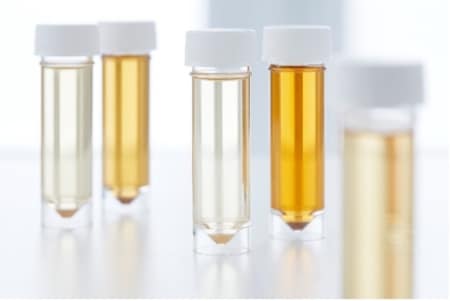
Monitoring urine output, not just ostomy output, is essential. Urine output and color are more reliable indicators of kidney hydration and stone risk.

Dietary Considerations

  • Limit oxalate-rich foods, including: Spinach and other leafy greens, Rhubarb, Almonds, Beets, Navy beans, Okra, French fries and baked potatoes, Soy products, Strawberries, Tea, Chocolate
  • Ensure adequate calcium intake, as calcium binds oxalate in the gut and helps to reduce oxalate absorption in the urine.
  • Limit excess sodium intake, as high sodium intake increases calcium excretion in urine.
  • Reduce animal protein and increase plant-based protein sources, which can help lower acid load and reduce uric acid stone risk.

Monitoring and Follow-Up

  • Regular medical follow-ups and urine testing are important to assess kidney function and stone risk.
  • Both ostomy output and urine output should be monitored routinely to ensure adequate hydration.

Prevention Strategies

Daily Prevention

  • Stay well hydrated throughout the day.
  • Use oral rehydration solutions when needed.
  • Follow a lower-fiber diet if recommended to help manage high ileostomy output.

Medication Considerations

Consult your physician if you experience vomiting, infection, or high stoma output—especially if you routinely take medications such as:

  • Blood pressure medications
  • NSAIDs
  • Diabetes medications
  • Kidney or heart medications
  • Diuretics

Ask if and when these medications should be temporarily paused and when they should be safely resumed.
When to Seek Urgent Medical Care

Seek immediate emergency care if you experience:

  • Drowsiness or confusion
  • Muscle cramps
  • Rapid heart rate
  • Ankle swelling
  • Severe abdominal pain or low back pain
  • Foul urine odor
  • Blood in urine
  • Frequent or painful urination
  • Nausea, vomiting

Key Takeaways

  • Ileostomy patients are at increased risk for kidney stones due to dehydration and acidic, low-volume urine.
  • Calcium oxalate and uric acid stones are the most common types.
  • Maintaining adequate urine output is essential for prevention.
  • Diet, hydration, and medication awareness play a critical role in kidney protection.
  • Early recognition of warning signs can prevent serious complications.


For more on the importance of hydration and diet for your ostomy type visit UOAA’s Diet and Nutrition Page and Eating with an Ostomy Guide. 


References

·Ileostomy and Kidney Stones, Kidney Stone Program, University of Chicago, High Output Ileostomies: Preventing Acute Kidney Injury, Practical Gastroenterology, Maintaining Kidney Health with an Ileostomy or Internal Pouch, IA Support

Joyce Moss, ADN, BSN, MNM, MSc Wound Healing & Tissue Repair, RN, CWS, CWCN, COCN

January 13, 2026


May 5, 2026
https://www.ostomy.org/wp-content/uploads/2026/05/47049-scaled.jpg 2111 2560 Contributor https://www.ostomy.org/wp-content/uploads/2017/02/UOAAlogofinal2.png Contributor2026-05-05 09:43:252026-05-05 09:43:25Kidney Stones and Ileostomies

A Quick Guide to Urostomy Basics

Ostomy Basics, Urostomy

Have questions about a urostomy? Worried that getting one will change your life dramatically? Terrified of the idea of one and wondering what people will think?

By Robin Glover

Don’t worry. These are normal feelings. Nobody likes the idea of getting a urostomy – at first. However, if you talk to people who’ve had one a while, they’ll tell you how much it’s improved their lives, and likely saved it.

So feeling a little apprehensive (or a lot) is completely expected. But getting a urostomy should not hold you back from living the life you’ve always wanted. Will it change your life? Yes, but likely for the better compared to past bladder issues.

What Is A Urostomy?

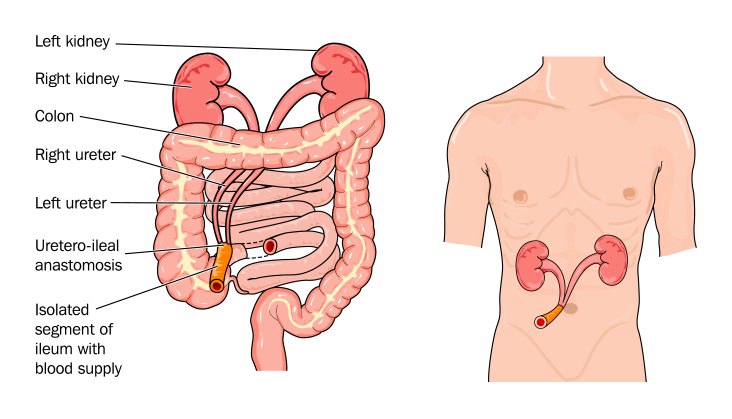
A urostomy allows urine to leave the body without the need of a bladder. Also known as an ileal conduit, it is a surgically-created pathway that channels urine through the intestine to an opening on the abdomen. This opening, known as a stoma, is covered by an external pouching system that collects the liquid.

Why Do People Need A Urostomy?

People need a urostomy because their bladder has either been removed or doesn’t function properly. This is most often due to bladder cancer, but can also be the result of an injury or disease. In other cases, people are born with a non-functioning bladder and benefit from a urostomy their entire lives.

Is A Urostomy Gross?

No. Not at all. They do not cause an odor, and most people won’t even know if someone has one. Getting a urostomy is often a life-saving procedure that allows people to resume their everyday lives. Most people find it much easier and more sanitary to have a urostomy than deal with an incontinent bladder.

Will A Urostomy Affect My Daily Life?

There will be some adjustments after surgery, but most people who get a urostomy can usually do more things than they could before. You won’t need to worry about the embarrassment of having an accident in public or always needing to know where the nearest bathroom is. But most of all, you’ll be able to live a longer and healthier life.

Is A Urostomy The Same As A Colostomy?

While they share similar mechanisms in how they function, a urostomy helps people with bladder incontinence. A colostomy helps people with stool incontinence. Both use a pouching system to collect what comes out, and both are sanitary and safe without any odor when closed.  Urostomy pouches have a tap or valve to allow the urine to be drained quickly and easily. Overnight options are available for nighttime drainage convenience.

How Many People Have A Urostomy?

You are not alone. An estimated 725,000 to one million people in the United States have an ostomy or continent diversion. Colostomy and ileostomy surgery are the most common ostomy types but many thousands of people of all ages and backgrounds have a urostomy or urinary diversion. For a bit of inspiration read a few of their patient stories on our blog.

How Will A Urostomy Change My Diet?

You can eat whatever you want when you have a urostomy. Of course, this is barring specific restrictions from your doctor or other dietary limitations unrelated to having a urostomy. But, in general, there are no restrictions to what you can eat with a urostomy but information on the importance of hydration and other good health practices are covered in our ostomy nutrition guide.

What Is A Continent Urostomy?

A continent urostomy involves a surgically formed internal reservoir that allows control of when urine is released from the body. It usually involves a catheter that’s inserted into the stoma. Continent urostomies can also be routed through the urethra so urine is released from the body in a more typical fashion. Check out our Continent Urostomy Guide for more information.

Does A Urostomy Decrease Life Expectancy?

The answer is no. Urostomy surgery is a way to help people live longer and more fulfilled lives. So if you’ve been told you need a urostomy, as much as you might not think so right now, you’ll probably be glad you had it.


These are probably just a few questions you have about a urostomy. Luckily, there are people all over the world happy to help you. First of all, your Wound, Ostomy, and Continence (WOC) nurse is there to teach and help you. But practical advice and emotional support are always just a click away in online communities and by finding a UOAA Affiliated Support Group near you. Just remember that only your doctor and WOC nurse know the unique circumstances of your condition.

For more information on urostomies, please visit our Urostomy Facts Page.


Robin Glover is a writer based in the Houston area. He has a permanent ostomy after being diagnosed with Crohn’s Disease in 2017.


January 24, 2022
https://www.ostomy.org/wp-content/uploads/2022/01/urostomy-graphic-with-pouch.png 1319 1945 Contributor https://www.ostomy.org/wp-content/uploads/2017/02/UOAAlogofinal2.png Contributor2022-01-24 13:58:492022-01-25 10:28:09A Quick Guide to Urostomy Basics

The Heat is On! Hydrate with an Ostomy

Colostomy, Ileostomy, Nutrition, Ostomy Basics, Ostomy Tips, Urostomy

By Ellyn Mantell

While walking this morning it occurred to me that for many Ostomates, the heat is very challenging. Ileostomates, in particular, are prone to dehydration because our stoma is always productive. In Mother Nature’s inimitable creation, the colon, or large bowel, is responsible for absorbing fluids and allowing them to be reabsorbed into the body. Since ileostomates either no longer have a colon or it is no longer being used, the precious fluids are flushed from the body through the stoma. Hence the rapid filling and refilling of the pouch, which can be worse in the heat.

Naturally, drinking water is advised. UOAA’s new ostomy nutrition guide recommends you “Make a habit of drinking water throughout the day. At the same time, limit or avoid beverages with added sugars and artificial colors and sweeteners.”  Many of us may have difficulty drinking enough to support our anatomy, so we need to be mindful of symptoms that we are lacking the hydration/dehydration balance.

Some symptoms of dehydration include headache, fatigue, dark or decreased urine, lack of concentration, dry mouth, feeling disoriented, shortness of breath, dry skin, stomach cramps. Additionally, leg cramps, loss of appetite, drowsiness, tingling in fingertips and muscle weakness are all concomitant to dehydration.

Learning to live with the chronic dehydration possibility presented to ostomates is certainly attainable. For me, since I do not have a high blood pressure issue which might preclude adding salt, it means adding it frequently at meals. It is strange to servers at restaurants when I ask for the salt shaker, and many have asked if I mean the pepper shaker? We have become a salt-resistant society. But there are those of us who need it for our fluid balance. Additionally, I have a handful of a salty snack before bed, such as pretzels, since nighttime muscle cramps can be very painful and cause sleep deprivation. I keep a bottle of tonic water in the refrigerator, as well as a jar of pickles for those times when nothing else works. For muscle cramps I recommend an over the counter foam moisture. The manufacturers recommend using it prophylactically at night, but I have found it usually very fast-acting when I have foot or leg cramps, so I apply as needed.

Many Ostomates swear by sports drinks like Gatorade, but truthfully, although I have a bottle in the refrigerator at all times in case of fever, I find it difficult to drink. However, if presented with the option of drinking it or winding up in the Emergency Room for fluids, I will imbibe gladly! It’s recommended you dilute sports drinks to reduce the sugar content as well. At some of our Support Group meetings I have heard of many different electrolyte balancing drinks and powders, so you may find one that works for you.

UOAA recommends you drink 8–10, eight-ounce glasses of water/fluid daily. If you have a urostomy this also helps prevent UTIs and keeps urine diluted. Concentrated urine also can cause odor.

View UOAA’s Eating with an Ostomy Guide for more hydration tips such as avoiding excess caffeine, eating foods with a higher water content and sipping your liquids slowly.

It has been recommended that Ostomates drink more than simply water, since it flushes through the system and little gets absorbed before it exits through our pouch. Drink with meals, since food slows down the transport of fluids. Bring fluids with you when you are out and about, since being busy may cause us to forget the responsibility we have to stay hydrated. Lastly, in addition to feeling awful when we are dehydrated, being in that state puts a great deal of pressure on our kidneys, and can lead to kidney failure and lightheadedness, which can lead to falling.

Although this sounds ominous for summer fun, being mindful and smart will help us to relax and enjoy ourselves…after all, with the Covid experience, we have learned to grab the good and be grateful we are as healthy as we are!


Ellyn Mantell is a UOAA advocate and Affiliated Support Group leader from New Jersey. You can follow her personal blog at morethanmyostomy

July 9, 2020
https://www.ostomy.org/wp-content/uploads/2020/07/hydrate-ostomy-summer.jpg 1062 1600 Contributor https://www.ostomy.org/wp-content/uploads/2017/02/UOAAlogofinal2.png Contributor2020-07-09 10:31:592020-07-09 10:33:45The Heat is On! Hydrate with an Ostomy

Our Categories

Advocacy (79) Body Image (3) Caregivers (21) Colorectal Cancer (19) Colostomy (141) Continent Diversions (8) Digital Sponsor (79) Disaster Preparation (4) Emotional Health (63) Events (32) Exercise/Sports (49) Fashion/Clothing (11) Healthcare (23) IBD (57) Ileostomy (189) J-Pouch (8) jejunostomy (7) Membership (3) Nutrition (19) Ostomy 5k (20) Ostomy 5k (16) Ostomy Awareness (55) Ostomy Basics (56) Ostomy News (96) Ostomy Nurse (14) ostomy reversals (13) Ostomy Supplies (3) Ostomy Tips (95) Ostomy Videos (4) Patient Stories (103) Pediatric Ostomy (5) Personal (68) Sexuality (12) Short Bowel Syndrome (17) Skin Care (10) Social Life (5) Support Group News (13) Support Resources (16) Teens (4) Travel (12) UOAA Conference (18) UOAA History (3) UOAA Volunteers (5) Urostomy (113) Young Adult (9)

Support Us:

Your Donation Funds UOAA Educational Programs:

DONATE TODAY
SUSTAINING GIFT
BECOME A MEMBER
UOAA E-NEWS SIGN UP
Get updates on events, national advocacy and important topics in the ostomy and continent diversion community.

Contact Us


United Ostomy Associations of America
P.O. Box 2293
Biddeford, ME 04005-2293

Virtual Ostomy Clinic

Contact UOAA

Donate Your Supplies

Call us toll-free at: 1-800-826-0826.
Our Information Line hours are Monday-Friday, 9am to 3pm EST. If you have an emergency, please dial 911 or contact your local medical professional.

Please understand that UOAA is a private, nonprofit, advocacy and informational organization. We are not a medical facility and we do not have medical or legal professionals on staff. Therefore, UOAA does not provide Medical, Mental Health, Insurance or Legal Advice. Visit UOAA Virtual Ostomy Clinic provided by The Wound Company for non-emergency, virtual ostomy support.

Privacy Policy

Get Involved

UOAA is the leading organization proactively advocating on behalf of the ostomy community. Recognizing that we are always stronger together, we encourage everyone to get involved by joining our Advocacy Network. We’ve also created several Advocacy Tools and Resources to help you successfully advocate on behalf of the ostomy community to ensure every ostomate receives quality care.

UOAA Run for Resilience Logo

UOAA does not and shall not discriminate on the basis of race, color, religion (creed), gender, gender expression, age, national origin (ancestry), disability, marital status, sexual orientation, or military status, in any of its activities or operations.

Digital Health Award
© 2005-2026, UOAA. All Rights Reserved l Design by Tap House Media
  • Link to Facebook
  • Link to X
  • Link to Pinterest
  • Link to LinkedIn
  • Link to Youtube
  • Link to Mail
  • Link to Instagram
Scroll to top Scroll to top Scroll to top