
Kidney Stones and Ileostomies
By Joyce Moss, RN, MS, MNM, COCN, CWCN
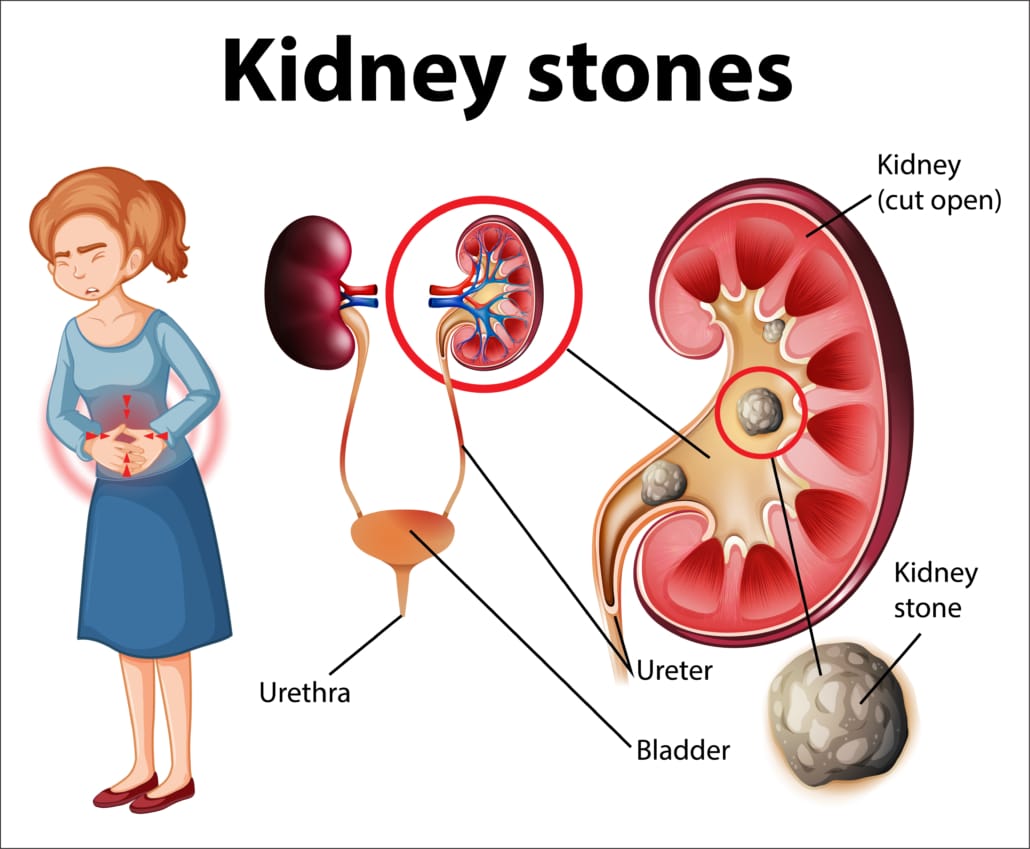
Kidney stones develop when crystals anchor to plaque formations or crystalline deposits develop within the inner medullary collecting ducts of the kidneys. Research has shown that kidney stone formation is a known complication of inflammatory bowel diseases and the surgical procedures used to manage these conditions.
Ileostomy surgery significantly increases the risk of kidney stones primarily due to fluid and electrolyte losses. Patients with an ileostomy lose substantial amounts of fluid through their stoma, which can easily lead to dehydration. When dehydration occurs, urine becomes more concentrated, increasing the likelihood that stone-forming substances will crystallize.
Concentrated urine leads to supersaturation, meaning that minerals such as calcium, oxalate, and uric acid are present at levels high enough to form crystals. These crystals can attach to plaques in the kidneys or plug the tubules and gradually grow into kidney stones.
Changes in Urine Chemistry After Ileostomy
The colon normally plays a significant role in reabsorbing water, sodium, and other electrolytes. When the colon is removed or bypassed during ileostomy surgery, this reabsorption is lost. As a result, the kidneys often produce urine that is:
- Low in volume
- Acidic (low pH)
- Low in sodium and calcium
This combination creates an environment that favors kidney stone formation.
Types of Kidney Stones Common in Ileostomy Patients
The two most common kidney stones seen in patients with ileostomies are:
Calcium Oxalate Stones
- These are the most common type of kidney stones overall.
- Dehydration and concentrated urine increase calcium oxalate supersaturation.
- Excess dietary sodium increases calcium excretion in urine, further raising risk.
Uric Acid Stones
- Uric acid levels in urine are naturally higher than oxalate levels.
- When urine pH is low (acidic), uric acid crystallizes rapidly.
- Unlike calcium oxalate stones, uric acid stones do not attach to plaques or plugs; they form freely within the urinary tract.
Management Strategies
Hydration Goals
Adequate hydration is the single most important strategy to reduce kidney stone risk.
- A minimum urine output of 1,200 mL per day is needed to protect kidney function.
- For individuals with a history of kidney stones, urine output should be increased to at least 1,500 mL per day.
- If tolerated and not contraindicated by a physician, an ideal goal is fluid intake of 2-3 liters/day based on age, climate, activity level, and health conditions.
Monitoring urine output, not just ostomy output, is essential. Urine output and color are more reliable indicators of kidney hydration and stone risk.
Dietary Considerations
- Limit oxalate-rich foods, including: Spinach and other leafy greens, Rhubarb, Almonds, Beets, Navy beans, Okra, French fries and baked potatoes, Soy products, Strawberries, Tea, Chocolate
- Ensure adequate calcium intake, as calcium binds oxalate in the gut and helps to reduce oxalate absorption in the urine.
- Limit excess sodium intake, as high sodium intake increases calcium excretion in urine.
- Reduce animal protein and increase plant-based protein sources, which can help lower acid load and reduce uric acid stone risk.
Monitoring and Follow-Up
- Regular medical follow-ups and urine testing are important to assess kidney function and stone risk.
- Both ostomy output and urine output should be monitored routinely to ensure adequate hydration.
Prevention Strategies
Daily Prevention
- Stay well hydrated throughout the day.
- Use oral rehydration solutions when needed.
- Follow a lower-fiber diet if recommended to help manage high ileostomy output.
Medication Considerations
Consult your physician if you experience vomiting, infection, or high stoma output—especially if you routinely take medications such as:
- Blood pressure medications
- NSAIDs
- Diabetes medications
- Kidney or heart medications
- Diuretics
Ask if and when these medications should be temporarily paused and when they should be safely resumed.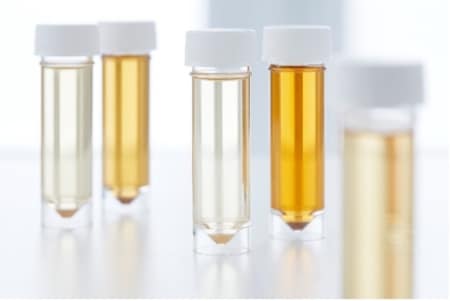
When to Seek Urgent Medical Care
Seek immediate emergency care if you experience:
- Drowsiness or confusion
- Muscle cramps
- Rapid heart rate
- Ankle swelling
- Severe abdominal pain or low back pain
- Foul urine odor
- Blood in urine
- Frequent or painful urination
- Nausea, vomiting
Key Takeaways
- Ileostomy patients are at increased risk for kidney stones due to dehydration and acidic, low-volume urine.
- Calcium oxalate and uric acid stones are the most common types.
- Maintaining adequate urine output is essential for prevention.
- Diet, hydration, and medication awareness play a critical role in kidney protection.
- Early recognition of warning signs can prevent serious complications.
For more on the importance of hydration and diet for your ostomy type visit UOAA’s Diet and Nutrition Page and Eating with an Ostomy Guide.
References
·Ileostomy and Kidney Stones, Kidney Stone Program, University of Chicago, High Output Ileostomies: Preventing Acute Kidney Injury, Practical Gastroenterology, Maintaining Kidney Health with an Ileostomy or Internal Pouch, IA Support
Joyce Moss, ADN, BSN, MNM, MSc Wound Healing & Tissue Repair, RN, CWS, CWCN, COCN
January 13, 2026










Leave a Reply
Want to join the discussion?Feel free to contribute!