
Maintaining Nutrition and Hydration in the Management of Short Bowel Syndrome

Part 1 of a Two-Part Series featuring Emily Rubin MPH, RD, LDN, Thomas Jefferson University Hospital
With over two decades of experience at the Thomas Jefferson University Hospital Division of Gastroenterology and Hepatology in Philadelphia, I am the Director of Clinical Nutrition and Lead Clinical Dietitian for the Division of Gastroenterology and Hepatology. In this role, and over the course of my career, I have provided comprehensive nutrition education and medical management to patients of all ages living with a wide range of gastrointestinal diseases, including short bowel syndrome (SBS).
SBS is a serious and chronic malabsorption disorder that occurs when parts of the intestine are removed surgically or due to injury. The remaining intestine may not be able to absorb enough nutrients from food and drink. When this happens, people with SBS may be at increased risk of malnutrition, dehydration, electrolyte disturbances and/or diarrhea (increased output). I am passionate about educating patients and their family care partners about the roles of nutrition and hydration in the management of gastrointestinal diseases like SBS, and proud to share my clinical experience.
| To learn more about SBS, click here. To join the community and talk to others who are living with SBS, check out https://www.facebook.com/TakedaSBS/. |
The Nutritionist’s/Dietitian’s Role in Multidisciplinary SBS Care
Managing SBS can be complex, but working with experienced health care providers to establish a set of management goals that are individualized to the distinct needs of the patient can be an important part of self-advocacy. Since nutrition and hydration goals are important parts of an SBS management plan, a nutritionist or dietitian will often be included in an SBS patient’s multidisciplinary health care team.
Here at the Thomas Jefferson University Hospital Division of Gastroenterology and Hepatology, we see patients for a variety of reasons. In this two-part series, I am going to share my own clinical experience on two topics that come up frequently with our patients who are living with SBS and ostomies (e.g., ileostomies or jejunostomies). This article will address “Output Consistency” – including thickening or thinning out stools, as well as managing stool acidity. The second article in this series will focus on “Hydration” – including common causes of dehydration in people with SBS, as well as rehydration tips, including Oral Rehydration Solutions (ORS). That article will post in the coming months.
Managing Output Consistency
I see a 35-year-old female patient with a history of Crohn’s disease who underwent her third intestinal resection, resulting in short bowel syndrome (SBS) and an ileostomy. Since the surgery, she has struggled with managing high stoma output and persistent diarrhea and weight loss of 10 pounds over the past four months. She states, “Every time I eat too much fat, it makes my diarrhea worse, but I need to gain weight, so I am not sure what to eat?”
Considerations:
- Weight Loss: Patient requires a diet that promotes weight gain without increasing stool output.
- Dietary Concerns: She noticed that consuming high-fat foods exacerbates her diarrhea and stoma output; she needs to gain weight but is uncertain about what foods to eat that won’t worsen her symptoms.
- Fluid and Electrolyte Management: Maintaining hydration and electrolyte balance is crucial to prevent dehydration due to her high-output stoma.
I stress to my patients that diet therapy is key for getting proper nutrition and for managing symptoms like diarrhea, which is often the biggest challenge for my SBS patients. I typically start with these important diet factors for SBS output consistency: I educate my patients about how to include Fat, Carbohydrates/ Sugar, and Fiber in their diets.
FAT
Did you know that eating too much fat, including fried or creamed based foods, can make diarrhea and output worse and cause nutrient and fluid loss?
Fat provides important calories but is a hard nutrient to digest. Limiting fat intake is most important in my SBS patients who have a remaining colon, severe steatorrhea (poorly digesting and absorbing fats) and/or a history of kidney oxalate stones. In some cases, I advise them to limit their fat to less than 30% of their daily calories and spread fat intake evenly throughout the day to help their bodies digest it better. When it comes to preparing foods such as fried or creamy based foods, I tell them to incorporate small amounts of easily digestible fats such as medium-chain triglycerides (MCTs) found in coconut oil. I have seen that these are better absorbed in my SBS patients.
I also educate my patients about avoiding High Fat Foods, such as fatty meats like beef, lamb, pork, and skin-on chicken and poultry. Dairy foods like whole milk, soft cheese, ice cream, and butter contain lactose. Symptoms of lactose intolerance are often dose-dependent, and some of my SBS patients can tolerate some dairy products, especially if they are spread over the course of the day.
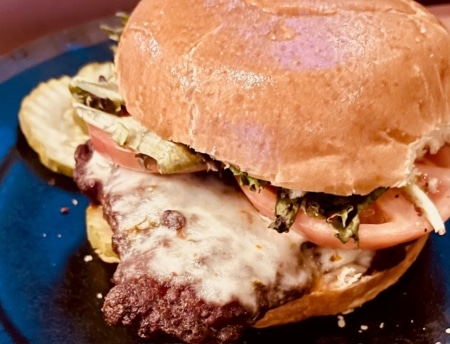

I recommend that my patients incorporate healthier fat choices, such as fatty fish: salmon, tuna, olive oil, avocado and nut butters.


CARBOHYDRATES / SUGAR
Did you know that drinking 100% fruit juice can increase stool output and dehydration?
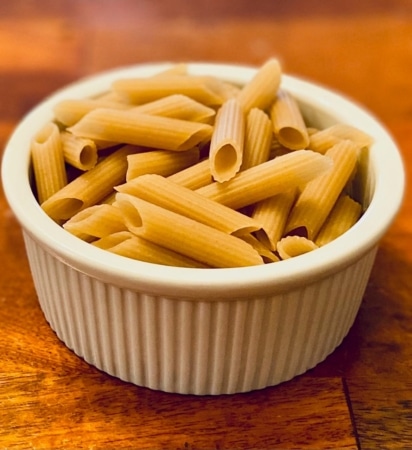
When my patients eat concentrated sweets, including candy (e.g., jellybeans or gummy bears), cookies, cakes, and drink sweetened beverages (e.g., soda, juice, lemonade), they draw excess water into the bowel, increasing stool output and exacerbating dehydration. Instead, I tell them to choose complex carbohydrates, like white rice, potatoes, pasta, bread and bananas, to help manage stoma output and improve nutrient absorption. These carbohydrates are easier to digest and absorb compared to simple sugars. I have seen that reducing stool volume and minimizing fluid loss can help my SBS patients maintain better hydration and nutrient balance.

FIBER
Did you know that incorporating soluble fiber like psyllium husk and oatmeal in the diet may improve stool consistency?
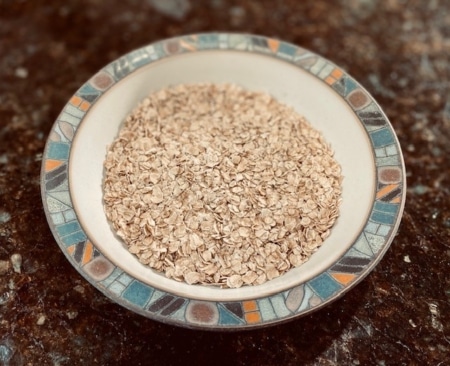
Fiber is often a scary word for my SBS patients. Soluble fiber found in oats, barley, citrus fruits, carrots, sweet potatoes, ground flaxseed, and psyllium husk can help to slow gastric emptying, potentially improving diarrhea and stabilizing bowel movements. Fiber dissolves in water, forming a gel-like consistency, which helps slow digestion and manage diarrhea. I tell my patients to focus on soluble fiber to improve stool consistency, especially if a colon segment remains. I encourage a moderate intake of soluble fiber to be spread throughout the day to help my SBS patients manage stool output and enhance fluid retention.
Although insoluble fiber, found in whole wheat, brown rice, bran, cauliflower, broccoli and dark leafy greens, may help thicken stool consistency, it can lead to increased loss of minerals and fluids, exacerbating dehydration. I frequently advise my SBS patients to avoid it.
I often remind my patients that they should not prioritize fiber over meeting their basic nutrient needs, especially for patients with poor appetite or requiring weight gain.
Additional nutrition tips I often share with my SBS patients, include:
Small, Frequent Meals: Eating smaller meals throughout the day can help manage symptoms and improve nutrient absorption.
Avoidance of Certain Foods with A Dietitian: Some foods might exacerbate symptoms, so identifying and avoiding these can be beneficial. A dietitian can help identify nutrient dense foods to include in an SBS diet to best manage symptoms based on the length of the patient’s remaining bowel, to help maintain hydration and to create a personalized nutrition plan.
Consistent Communication with Health Care Providers: I can’t stress to my patients often enough that they should always inform their doctor or dietitian about any changes to their diet or hydration plan. The patient’s health care team can adjust the patient’s treatment plan as needed to ensure they’re getting the right balance of nutrients and fluids.
Although there is no “one-size-fits-all” diet for SBS, your own health care team will work with you to develop nutrition and hydration goals that are specific to your needs. Diet therapy focuses on controlled fluid intake, nutrient absorption, and maintaining electrolyte balance to manage high-output stomas effectively. Again, it is important to tell your doctor and dietitian about any significant changes to your diet and output and identify signs of dehydration. A key aspect of nutrition and hydration management in SBS is educating patients on balancing nutrients, fluids and electrolytes.
To learn more about managing your SBS, visit https://shortbowelsyndrome.com/sbs-management.
Watch for Part 2 of this two-part series “Maintaining Nutrition and Hydration in the Management of Short Bowel Syndrome (SBS)” in the coming months!
+++
Emily Rubin MPH, RD, LDN is the Director of Clinical Dietetics, Clinical Dietitian for Division of Gastroenterology and Hepatology at Thomas Jefferson University Hospital in Philadelphia. In addition to her extensive clinical work, her expertise and insights in the areas of diet and nutrition have been featured in numerous online and broadcast media outlets.
This article was created by Takeda.
Editor’s Note: This educational article is from one of our digital sponsors, Takeda. Sponsor support along with donations from our readers like you help to maintain our website and the free trusted resources of UOAA, a 501(c)(3) nonprofit organization.
US-NON-11724v2.0 01/25










I opened the article about SBS nutrition with great anticipation. Only to read a recap of the same old, same old, nothing new here. I need something else besides the tricks mentioned as I still have transit time of under 2 hours and water discharge. Lomotile and anti diarreahoea meds are not tolerated. Still seeking a way to increase water, electrolyte, and nutrient absorbtion. It doesn’t help matters that I have no thirst or appetite for which experts have no explanation or advice.