This ‘Walking Miracle’ has a lot more life to live

By Lisa Bowie

I am 65 years old and have lived with an ileostomy for almost 14 years. I share my story in the hope that I may inspire others.

I was diagnosed with ulcerative colitis in my late 30s. Under the care of a physician, I managed it as best I could, but it would still periodically come out of remission. In 2012, at the age of 52, a flare-up caused my large intestine to rupture. I developed toxic megacolon, and my major organs began shutting down. Unbeknownst to me at that moment, I was within hours of death. A general surgeon performed emergency surgery to remove my entire large intestine in an attempt to save my life.

I woke up after three days in the ICU to find I had an ileostomy. I thought I was out of the woods, but I spent the next four years being hospitalized nine times in three different hospitals across two states, undergoing five major surgeries by four different surgeons. For those four years, it felt like life was passing me by, but I refused to give up. At times, I had to say everything I was thankful for and dreamed of out loud just to get through the day—sometimes even just to get through the next second. My faith in God enabled me to hold on to the belief that there was a light at the end of the tunnel and that I could one day be healed. After my last surgery in 2016, I was finally fully healed. I have been living a full life, albeit with a permanent ileostomy, ever since.

I not only love life, I seize it and savor it.

It was an extremely difficult, at times utterly excruciating, four years. Words fail to describe the full depth and breadth of what I endured. I did not choose this situation, and truthfully, I don’t like it; however, I was determined to survive, and I am determined never to let it define me. Resiliency, perseverance, a “never-ever-give-up” attitude, and an incessant desire to inspire others have helped me through this journey and continue to carry me forward.

I know I’m a walking miracle. My emergency surgeon in 2012 did not expect me to survive the operation. He said I was in the worst condition of any patient he’d ever seen and was ecstatic that I made it. Other surgeons since have shared the sentiment that it is a miracle I’m alive. I am grateful beyond measure for this gift, and I will not waste it. I not only love life, I seize it and savor it. If sharing my story helps just one person, then my journey was worth it.

I can testify that it is possible to thrive with an ileostomy. I’m a single mother, and soon-to-be first time grandmother. I have a BS in Physics, an MS in Nuclear Systems Engineering, and I work full time as a nuclear engineer. Since 2012, I have accomplished so many things and continue to pursue new adventures. Here are a few things I’ve done with my ileostomy:

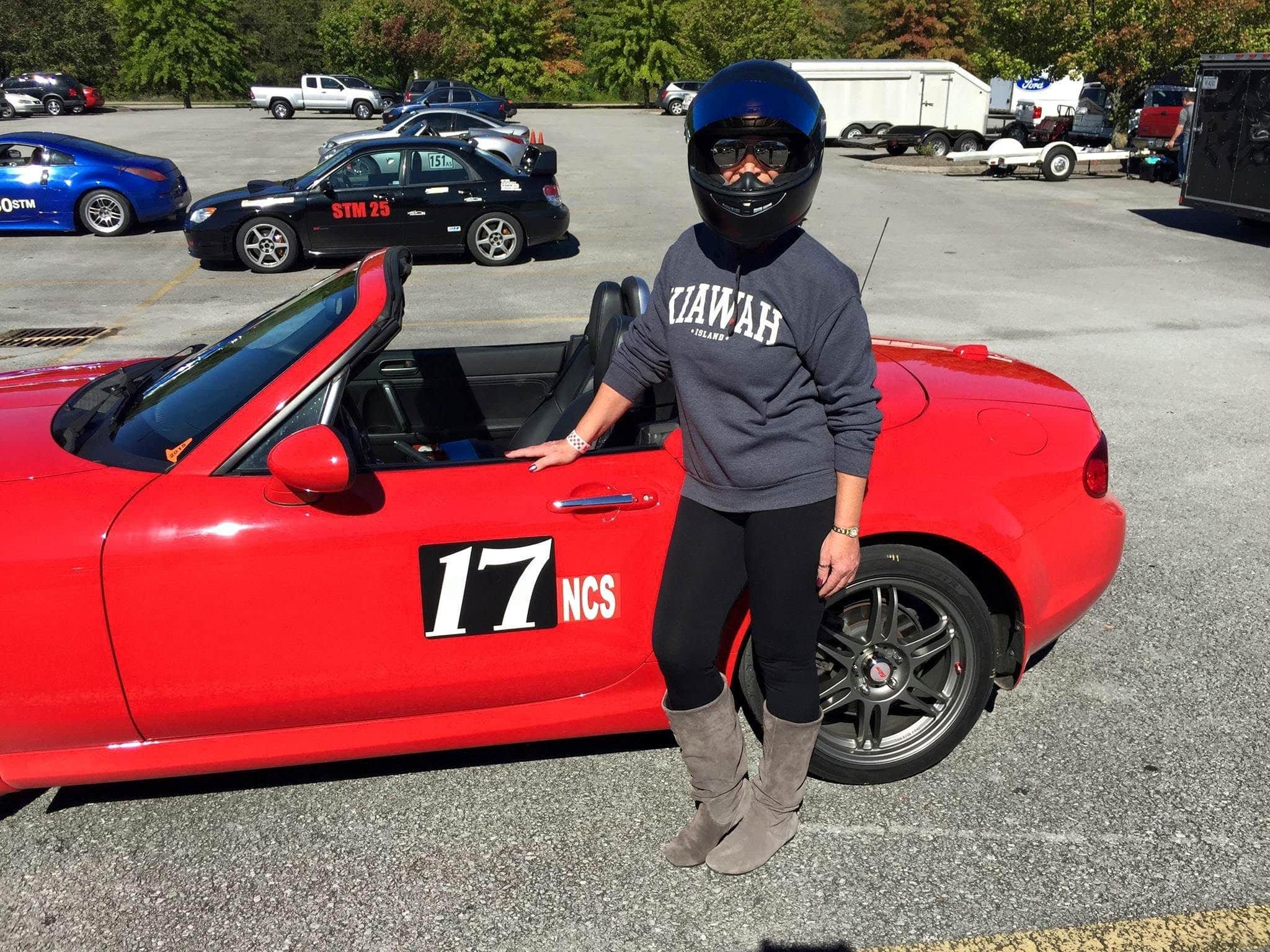
  • Racing and Driving: I raced my personal cars for several years in Autocross. In 2017, I won the Autocross Season Championship (Ladies Class) in the East Tennessee Region of the Sports Car Club of America (SCCA). On three occasions, I’ve driven track laps at the Bristol Motor Speedway in my Miata and Camaro.

  • Dance: Since 2022, I have competed in couple country dancing in sanctioned United Country & Western Dance Council events. In 2024, I won the title of World Champion in my division after competing both nationally and internationally.

  • Paragliding: In June 2025, I did a tandem paraglide from the 6200-foot Babadag Mountain in Oludeniz, Turkey—one of the highest peaks for commercial paragliding in the world.

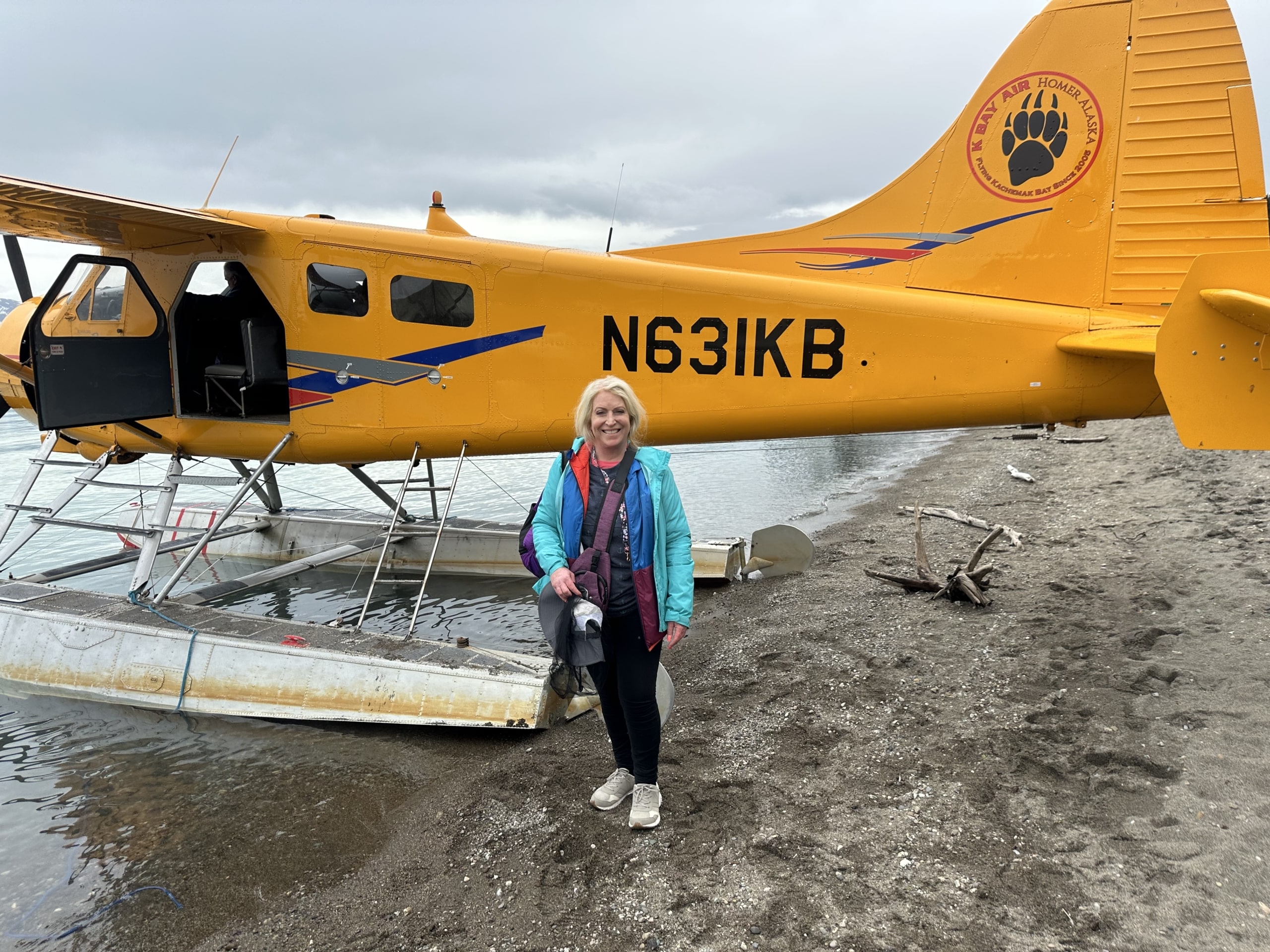
  • Travel: I have traveled extensively, including trips to Alaska, Hawaii, Costa Rica, Ireland, Scotland, Spain, and Turkey.

  • Pageants: In April 2026, I will compete in the Ms. Tennessee Senior America Pageant. If by chance I win, I will move on to the national pageant in October 2026.

  • Community: I volunteer and dance with the “TN Jewels,” a group of women aged 60 and older who perform at nursing homes and assisted living facilities.

  • Active Lifestyle/water sports: I frequently go swimming, boating, kayaking, hiking, sailing, and snorkeling.

  • Writing: I am currently writing my first book—a biography about a young single mother from South Sudan living in Tennessee. She suffered incomprehensible atrocities, and I hope her story will eventually become a movie.

  • Ministry: I aspire to start a ministry to help women dealing with adversity by sharing my story of survival.

I’ve learned that life doesn’t have to be perfect to be beautiful. I choose daily never to let my ileostomy define or limit me. I do not want to live an ordinary life; I want to live an extraordinary one. I am only limited if I limit myself.

I hope that by sharing my story, I inspire others to believe they can achieve any dream their heart desires, even in the midst of adversity. Life is beautiful. Find what makes you smile and go seize it! This is your life—you, too, can make it what you dream it to be.

For me, the holiday season is an annual reminder of how far I’ve come in my short bowel syndrome (SBS) journey. In my experience, life with SBS has been challenging, but I’ve found that it can be workable. That’s not to say it’s easy; it’s never easy. There are many days when I spend more time in the bathroom than out, but my goal is to have more good days than bad. Through it all, I have worked hard to keep my life as “normal” as possible. I’m fortunate to have a husband who has fully supported me through this journey and has been a source of strength for me. Together, we refuse to let SBS be the dominating factor in our life. My name is Reta and this is my story.

If you are living with Short Bowel Syndrome and rely on parenteral support, there’s an SBS Mentor available to connect with you. Click here to learn more.

A Holiday Health Crisis

On Christmas Day 2012, I was given 10 hours to live. What started as a bad case of diarrhea around Thanksgiving had progressed over the next month to severe diarrhea with vomiting. I was in and out of the hospital while doctors ran tests and tried to manage my symptoms, but my condition quickly deteriorated until I’d gone into renal failure, septic shock, and respiratory failure. My bowels were dead and poisoning my body; doctors weren’t sure they could save any of my bowels, let alone my life.

Doctors gave me a five percent chance of survival with surgery, and no chance without. With those odds laid out before him, my husband said a prayer and told the doctors to go ahead and do the surgery. Thankfully, I do not remember any of this. December 22, 2012 was the last day I really remember before waking up several days later—after the surgery.

A New Reality: Navigating Life After My SBS Diagnosis

Surgery went much better than anyone expected, but when I finally woke up, I learned that my life had changed. I was diagnosed with short bowel syndrome (SBS), a rare, serious and chronic malabsorption disorder that occurs when parts of the intestine are removed, and the remaining intestine may not be able to absorb enough nutrients from food and drink. I had a high output jejunostomy and was put on parenteral support (PS), also referred to as parenteral nutrition, because my body couldn’t absorb nutrients on its own anymore. At that time, I was told I’d probably be on PS for the rest of my life.

The doctors talked about how good my stoma looked and how they were going to try to get my PS down to 15 hours a day. But they wouldn’t even talk about when I could go home. Days dragged into weeks and weeks into a month, and then two months.

Finally, I was allowed to go home—and that’s when reality hit me hard. The day I was supposed to go home, we had major logistics to figure out: Who was going to teach me how to infuse PS? Who was going to supply it? Where was I going to get ostomy supplies? Did I need home health? Who was going to provide that? We were fortunate that the team at the hospital helped my husband and me to figure out these details, and I was finally able to go home.

At 10pm that night, back at home, my infusion nurse was showing us how to hook up my PS. Twelve hours every night. At the time, I was told that there wasn’t any hope of me ever getting off of it. Even bedtime proved to be a challenge. For years, my husband had slept on the left side of the bed; but as I looked at our bed that first night at home, I realized the bathroom was on the left side. So, we held the great bedroom debate and finally decided to switch sides, to allow me to be closer to the bathroom. Something as simple as that made me realize how much SBS would impact almost everything I do.

But life went on. My doctors worked hard to get me down to a more manageable PS level. It was still very restrictive, but I promised myself that I wasn’t going to let the ostomy and PS rule our lives. I went back to work, even though no one thought I would. I carried all my supplies through airports and I can’t tell you how many airplanes. I was trying to live as normal a life as I possibly could—even when my next SBS challenge came.

I remember one time when my pump malfunctioned. I woke up on Sunday morning, and my PS bag was still full; it was supposed to be empty. My pump had probably stopped working right after I went to bed, and I didn’t get any nutrition that entire night. When I went to unhook the bag and saw that it was still full, I had a major temper tantrum: My first official meltdown since my SBS diagnosis. I stomped my feet; I cried; I screamed; I threw things. It wasn’t fair that I had to carry that bag all day and all night. My husband recognized this for what it was—another reality check. He held me and told me it was going to be alright until I stopped kicking and screaming. Meltdown #1 averted.

Learning About An SBS Treatment

Then one day at an appointment, my gastroenterologist handed me a sticky note. The note had GATTEX® (teduglutide) for subcutaneous injection written on it. He said it was a prescription medicine used in adults with short bowel syndrome who need additional nutrition or fluids from intravenous (IV) feeding (parenteral support). After discussing the treatment option with me, we felt I fit the criteria. GATTEX is also approved for children 1 year of age and older. It is not known if GATTEX is safe and effective in children under 1 year of age.

He told me GATTEX may cause serious side effects including making abnormal cells grow faster, polyps in the intestines, blockage of the bowel (intestines), swelling (inflammation) or blockage of the gallbladder or pancreas, and fluid overload. He told me these are not all the possible side effects of GATTEX. I remember my doctor asking me a very important question: “Wouldn’t it be great if over time we could reduce the amount of volume and number of days you’re on PS? I think this drug might help us do that.”

Please continue reading for additional Important Safety Information.

Wow! Finally, a sliver of hope. I weighed the risks and benefits, and together my doctor and I decided that I should start GATTEX. But it proved not to be an easy journey. Many obstacles were thrown in our path. It took six months, letters to insurance companies, and an appeal process to make it happen. In fact, my efforts motivated the insurance company to write a policy that they previously did not have, and establish a timeframe to be eligible for GATTEX.

I remember the first day the GATTEX box arrived at my house, not too long after the new year. My PS-infusion nurse talked me through the process of how to prepare and measure my dose and give myself the subcutaneous injection the right way. I told her I could do it; and I could—until I sat down in my kitchen with the needle and realized what a huge commitment it was. I thought about this and everything I had already been through for a few minutes and decided to take my first step on this new journey.

My doctors and I were happy with the results we saw, and over time my healthcare team began slowly lowering my PS volume. This was just my experience though, and others may have a different experience. My doctor continued to monitor me for any side effects, like injection site reactions. Adults starting GATTEX should have their colon and upper intestines monitored for new polyps at the end of the first year on GATTEX and then as needed and at least every 5 years. I still had a long road ahead of me, and my doctors were still looking at other treatment options. Eventually, one of the options they offered was reconnecting my colon. I weighed that option and decided to proceed.

Another Decision: Weaning Off Parenteral Support Under Medical Supervision

After I’d recovered from surgery to reconnect my colon, we started discussing weaning me off the PS. I’ll admit I was scared. It had been keeping me alive for two years. The thought of not having that “nutrition lifeline” scared me a great deal. I started asking myself questions: What if it doesn’t work? What if I lose too much weight? What if, what if?

With the encouragement and supervision of my team of doctors, over time we started slowly reducing the amount of PS volume and cutting my days on PS until I didn’t need it anymore. I honestly didn’t know how I was supposed to feel. For the first time in a long time, I didn’t hook up to a bag of nutrition every night. Today I am still off PS, and I still take GATTEX as directed by my doctor. My doctor also continues to monitor me for side effects like stomach-area pain or swelling and injection site reactions. And keep in mind, not all patients who take GATTEX will wean off their PS. These have been my results, but everyone responds to treatment differently.

Even though I still have SBS and bathroom challenges every day, freedom from PS has been liberating. I can go out to dinner or a concert at night without having to plan my schedule around hooking up to PS. It feels great not to be tied to that schedule anymore.

I choose to focus on the good in my life and not let SBS drag me down. Some days are harder than others, but I live for those good days. My husband and I have pledged to make the most of every day. I retired from my job, and we have embarked on the next phase of our lives, checking off items on our bucket list. And, for me, not being on PS makes it a little easier to check off those bucket list items. I am a very fortunate woman. I have a husband who has supported me from the moment this SBS journey began. He has made it infinitely more manageable.

If you’re just starting down this road, you may think your best days are behind you. In my experience, that’s not always the case. SBS is a very challenging condition. If you are living with it, I would encourage you not to give up. Read everything you can about SBS. Ask questions and then insist on answers. Work with your healthcare team to figure out what makes your symptoms worse. Learn as much as you can to take control of your “new normal.”

IMPORTANT SAFETY INFORMATION

What is the most important information I should know about GATTEX? GATTEX may cause serious side effects, including:

Making abnormal cells grow faster

GATTEX can make abnormal cells that are already in your body grow faster. There is an increased risk that abnormal cells could become cancer. If you get cancer of the bowel (intestines), liver, gallbladder or pancreas while using GATTEX, your healthcare provider should stop GATTEX. If you get other types of cancers, you and your healthcare provider should discuss the risks and benefits of using GATTEX.

Polyps in the intestines

Polyps are growths on the inside of the intestines. For adult patients, your healthcare provider will have your colon and upper intestines checked for polyps within 6 months before starting GATTEX, and have any polyps removed. To keep using GATTEX, your healthcare provider should have your colon and upper intestines checked for polyps at the end of 1 year of using GATTEX.

For pediatric patients, your healthcare provider will check for blood in the stool within 6 months before starting GATTEX. If there is blood in the stool, your healthcare provider will check your colon and upper intestines for polyps, and have any polyps removed. To keep using GATTEX, your healthcare provider will check for blood in the stool every year during treatment of GATTEX. If there is blood in the stool, your healthcare provider will check your colon and upper intestines for polyps. The colon will be checked for polyps at the end of 1 year of using GATTEX.

For adult and pediatric patients, if no polyp is found at the end of 1 year, your healthcare provider should check you for polyps as needed and at least every 5 years. If any new polyps are found, your healthcare provider will have them removed and may recommend additional monitoring. If cancer is found in a polyp, your healthcare provider should stop GATTEX.

Blockage of the bowel (intestines)

A bowel blockage keeps food, fluids, and gas from moving through the bowels in the normal way. Tell your healthcare provider right away if you have any of these symptoms of a bowel or stomal blockage:

  • trouble having a bowel movement or passing gas
  • stomach area (abdomen) pain or swelling
  • nausea
  • vomiting
  • swelling and blockage of your stoma opening, if you have a stoma

If a blockage is found, your healthcare provider may temporarily stop GATTEX.

Swelling (inflammation) or blockage of your gallbladder or pancreas

Your healthcare provider will do tests to check your gallbladder and pancreas within 6 months before starting GATTEX and at least every 6 months while you are using GATTEX. Tell your healthcare provider right away if you get:

  • stomach area (abdomen) pain and tenderness
  • chills
  • fever
  • a change in your stools
  • nausea
  • vomiting
  • dark urine
  • yellowing of your skin or the whites of your eyes

Fluid overload

Your healthcare provider will check you for too much fluid in your body. Too much fluid in your body may lead to heart failure, especially if you have heart problems. Tell your healthcare provider if you get swelling in your feet and ankles, you gain weight very quickly (water weight), or you have trouble breathing.

The most common side effects of GATTEX include:

  • stomach area (abdomen) pain or swelling
  • nausea
  • cold or flu symptoms
  • skin reaction where the injection was given
  • vomiting
  • swelling of the hands or feet
  • allergic reactions

The side effects of GATTEX in children and adolescents are similar to those seen in adults. Tell your healthcare provider if you have any side effect that bothers you or that does not go away.

What should I tell my healthcare provider before using GATTEX?

Tell your healthcare provider about all your medical conditions, including if you or your child:

  • have cancer or a history of cancer
  • have or had polyps anywhere in your bowel (intestines) or rectum
  • have heart problems
  • have high blood pressure
  • have problems with your gallbladder, pancreas, kidneys
  • are pregnant or planning to become It is not known if GATTEX will harm your unborn baby. Tell your healthcare provider right away if you become pregnant while using GATTEX.
  • are breastfeeding or plan to It is not known if GATTEX passes into your breast milk. You should not breastfeed during treatment with GATTEX. Talk to your healthcare provider about the best way to feed your baby while using GATTEX.

Tell your healthcare providers about all the medicines you take, including prescription or over-the counter medicines, vitamins, and herbal supplements. Using GATTEX with certain other medicines may affect each other causing side effects. Your other healthcare providers may need to change the dose of any oral medicines (medicines taken by mouth) you take while using GATTEX. Tell the healthcare provider who gives you GATTEX if you will be taking a new oral medicine.

all your doctor for medical advice about side effects. You are encouraged to report negative side effects of prescription drugs to the FDA. Visit www.fda.gov/medwatch or call 1-800-FDA-1088.

What is GATTEX?

GATTEX® (teduglutide) for subcutaneous injection is a prescription medicine used in adults and children 1 year of age and older with Short Bowel Syndrome (SBS) who need additional nutrition or fluids from intravenous (IV) feeding (parenteral support). It is not known if GATTEX is safe and effective in children under 1 year of age.

For additional safety information, click here for full Prescribing Information and Medication Guide, and discuss any questions with your doctor.

To learn more about Short Bowel Syndrome and a prescription treatment visit https://www.gattex.com/short-bowel-syndrome/

Editor’s Note: This educational article is from one of our digital sponsors, Takeda. Sponsor support along with donations from our readers like you help to maintain our website and the free trusted resources of UOAA, a 501(c)(3) nonprofit organization.

©2025 Takeda Pharmaceuticals U.S.A., Inc. 1-877-TAKEDA-7 (1-877-825-3327). All rights reserved. Takeda and the Takeda logo are trademarks or registered trademarks of Takeda Pharmaceutical Company Limited. GATTEX and the GATTEX logo are registered trademarks of Takeda Pharmaceuticals U.S.A., Inc. US-TED-1649v1.0 11/25


My ileostomy and how it gave me the confidence to participate in such a wild adventure!

By Kathy Kelly #258

Squid Game: The Challenge Season 2 streams on Netflix starting November 4

At age 35, while pregnant with my 4th child, I was diagnosed with ulcerative colitis. The symptoms appeared out of nowhere during my pregnancy and unfortunately, because I was pregnant, there was very little that could be done to manage my disease.  After giving birth to my daughter, I immediately sought medical intervention to address my UC symptoms, but relief was terribly elusive.  I went from being an active, social, and extroverted person to not wanting to leave my house.  Not only did I have little to no control or predictability of my colon, but I also struggled with intense cramping, mouth sores, and copious blood loss.

Kathy Kelly is featured on the poster of Season 2 of Squid Game: The Challenge on Netflix.

Over the next 18 months, I tried several different “Biologics” and endured multiple rounds of steroids.  Each new medicine brought with it the hope of relief, but that hope was never realized as I never experienced meaningful healing.  I spiraled into thinking and feeling like I would never be healthy again – UC was now dictating the terms of my quality of life.

After nearly 20 months of a losing battle with UC, my doctor made me aware of the “nuclear” option – I could have my colon removed and be fully healed of UC.  In hindsight, it seems so obvious, but at the time, I remember shuddering at the thought.  Yes, my UC was awful and yes, I was spending all of my waking hours desperately trying to manage my symptoms.  But having “a bag” felt like it was way too extreme.  My husband and I discussed it and I met with other GI docs to discuss the process and the more I learned about it, the more the lifestyle was normalized for me.  I found people online that shared their experiences and one thing stuck out to me – they had control.  For nearly two years at this point, I had completely lacked control.

So, in May 2021, after 22 months of suffering in relative silence with UC and with the support of my medical team, I had my colon removed and was given an ileostomy.  While there was certainly an adjustment period – learning how to change my bag and care for my stoma – the immediate relief was shocking.  However, it wasn’t all positive.  Even some of my well-intentioned nurses would say things like “hopefully, this is just temporary and you’ll be back to normal soon”, and I remember feeling like neither my UC nor my new reality with an ileostomy was normal.  I quickly overcame that because of the obvious improvements to my health and quality of life. I made the decision just 4 months later to make my ileostomy permanent by having my rectum removed.

Having a permanent ileostomy has certainly been a journey – I had a peristomal hernia that required an additional surgery and I’ve experienced all of the typical “first timer” experiences – catastrophic leakages while on a date or at a friend’s house.  But, I can stay with completely certainty that my ileostomy has given me my life back.  I’m as active as ever.

I’m engaged in relationships with my husband, children, family, and friends.  I’m excited to be pushed out of comfort zone again – and to that end, I recently participated in Season 2 of Squid Game: The Challenge on Netflix!

We watched the first season of Squidgame Game: The Challenge as a family and we loved it! My husband made a silly comment to the kids saying “your mom would be able to kill all of those players” and when the kids saw that they were casting season 2, they begged me to apply. I just assumed my application would be lost in the thousands of emails, but fortunately something caught their attention!

It was an incredible experience that involved international travel, intense competition, and long hours of uninterrupted filming. My doctor even said limited bathroom breaks would probably be easier for me than most!

If I was still dealing with UC, I would’ve never trusted my body to take on something this challenging and stressful!  My ileostomy has restored my health, my energy, and my control and I’m incredibly grateful for it!

I think most of the friends I made while filming would be SHOCKED to learn I have no colon-which I love! My bag saved my life, and it’s something I’m really thankful for.

My husband was my biggest supporter. His encouragement allowed me to engage and play without any of the self-imposed pressure that had been building for months with this big secret! Now that the show is airing it is no surprise to friends that I would do something like this because I am so competitive and love engaging with people!


Editor’s note: You can now cheer on Kathy Kelly on Squid Game: The Challenge Season 2 on Netflix. Win or lose, we know the resilience of an ostomate is not a force to reckoned with! United Ostomy Associations of America, Inc. (UOAA) is a 501(c)(3) nonprofit organization that supports, empowers, and advocates for people who have had or who will have ostomy or continent diversion surgery.

A long journey to an ostomy leads to a supportive community

I have suffered with digestive issues since I was a teen and the first symptoms I remember were back in high school.

I was a very shy, insecure young lady throughout high school and finding myself starting college, with growing concerns about my stomach, was very difficult for me. I started noticing urgency and stomach pains and when I moved into the dorms my symptoms got worse. Not only the stress of trying to fit in with so many new people, but for any of you that have eaten dorm food I’m sure you can understand why I struggled.

Fast forward four years, and I was getting married to the love of my life. He had just accepted that anywhere we went the first thing on the agenda was locating the bathrooms. After college we moved to a small town where I did not know anyone, I was a long distance away from my family for the first time and had a difficult time finding work. This is when I started to realize how much stress was impacting my abdominal pain. I began to blame the stomach pain on my anxiety and just accepted it as normal.

After we were married, we began to think about a family. More than anything I have always dreamed of being a mom. We tried for four years to get pregnant and the stress of constantly getting negative pregnancy tests really wore on me. We decided after many rounds of tests and exploratory surgery that we would try IVF. After a long process and the intense stress put on my body to prepare, IVF worked, and we were blessed with twins.

Unfortunately, this was the beginning of a new long and difficult road. I was considered a high-risk pregnancy from the start, and after all we had been through I felt like I was walking on eggshells through the pregnancy always afraid I was going to do something wrong.

I ended up being hospitalized at 20 weeks as my daughter’s sack was in the vaginal canal. I had a four week stay in the hospital where I was sewn shut and tilted onto my head to keep the babies in as long as possible. It was August and they weren’t due until January. The stress and fear for my children was overpowering.

Unfortunately, at 24 weeks my daughter decided she had waited long enough and pushed right through the stitches. They were born at 1lb 8 oz and 1lb 11oz. and the moment they were born they took them away into a special room because they were not breathing. When they moved us to the recovery room, we were told not to get our hopes up.

Two days after they were born, Megan had to be rushed to a new hospital because her lungs weren’t developed enough, and at 9 days old my son started spitting up green, they were only fed through a feeding tube at this point. I was terrified and did not know how they would do surgery on such a tiny baby.  I didn’t want to loose my little boy!

They went into surgery, and he came out with only 20% of his small intestine and an ileostomy. 80% of his small intestine did not form completely and was dead. This was our first experience with an ostomy, and it tore me apart knowing my baby needed this. Unfortunately, he continued to get weaker, and they had no choice but to reconnect him at 3 months as a last resort to save him. His sister had been sent home a couple weeks earlier and had been sharing a crib with her. He was sent home with a small chance of survival, but once he was reunited with his sister he began to thrive. He is now 26 and doing amazing!

When the twins were two years old my life was very stressful. I lost my dad to cancer and had a miscarriage in the same 24 hours. I was a daddy’s girl. He was there when I came into this world, and I was at his side when he left it. I miss him terribly to this day.

We were told there would be delays in their growth of our children for the first few years, but at the two year mark things seemed to suddenly slow down and after running further tests my babies were diagnosed with autism.

The loss of my father, a child, and the autism diagnosis seemed to push my stress levels even further and I started having horrible pains to the point where I couldn’t even stand up. Then the bleeding started.

I would have that urgency and when I reached the bathroom all I could get out was blood and it was horribly painful. I felt like I was being ripped apart from the inside out, and I could only sit and rock back and forth. It took everything I Had just to care for the twins and somehow fight through growing pain and bleeding.

I felt like “This is it, all the pain will be over soon”. At that point my husband and my best friend both begged me to get the surgery

I was finally diagnosed with ulcerative colitis. When my daughter was old enough to play with her dollhouse the mommy doll was always on the toilet. That made me so sad that she noticed my illness at such a young age even if she didn’t truly understand.

Throughout the years it would bounce between Crohn’s and Colitis. At one point they called it ulcerative Crohn’s. I was 29 when I was diagnosed, and at 41 years old I had my first hospitalization. Looking back, I should have been in the hospital a few times, but that would be accepting how serious things had become.

They mentioned removing my colon, but I am ashamed to admit I said I’d rather die. Somehow, I recovered enough to go home after a week despite still being weak and struggling.

After years of caring for my children I needed to work and was able to start a new job. This is where I was first exposed to a nutrition practitioner who helped me realize I had food sensitivities and supported me with good nutrition and whole food supplementation. I was beginning to flare and worried I would lose my job having to run to the bathroom so frequently at work, but they reassured me they were dedicated to helping me get my life back. It was overwhelming at first, but after 6 months I finally felt like I could live again.

I had many good years after that but still struggled with small bouts now and then. I had multiple back surgeries that seemed to cause flare ups, but I was able to recover each time. After 2020 I started having a horrible flare every year around the same time. At one point, trying to drive my son to work, I had to park and had diarrhea in the garbage in the back seat of the car. I couldn’t even get into the building.

At this point I was terrified to even leave the house and if I did, I became exhausted so quickly I could barely get anything done. I was afraid to eat so I was losing weight and becoming weaker by the day.

At 52 I was hospitalized with severe pain and bleeding again.  I felt as though I was being torn in half and this time it felt worse than usual.  I was in the hospital for the best part of two months. They would send me home and I would have to go back one to two days later in severe pain after my husband would push me to go. Deep inside I knew what they were going to tell me, and I fought to stay home trying to convince myself I could get over it on my own.

I walked into a room of smiling people there to support each other and they were very welcoming to newcomers.

On one of my final returns to the hospital they said I was unresponsive to the steroid infusions. By the time the surgeon talked to me I was under 90 pounds, but I still told him I did not want ostomy surgery. He was completely honest with me and said I either have surgery and because I was so weak already, I might not make it through. Without surgery I would not survive.

I cried so hard. I did not want this for my life.

The last time I was sent home before surgery I could not eat. I would try but the food would make me so sick I couldn’t bear putting anything in my mouth. It got so bad I couldn’t even get water down. I remember sitting on the toilet in pain and, all of a sudden, I just felt this feeling of peace and that everything was going to be ok.

I was going home.

I felt like “This is it, all the pain will be over soon”. At that point my husband and my best friend both begged me to get the surgery. It dawned on me that my poor husband had been trying to take care of me with a TBI and my twins had autism. My family still needed me.

I went back into the hospital and was so weak they had to give me TPN for a week in the hope they could get me strong enough for surgery. I am blessed that I had a wonderful surgeon, and everything went as well as it could. Many people said when they woke from this kind of surgery, they immediately noticed the pain was gone. I had hoped I would wake up have that feeling, but I was still in so much pain. I felt so emotionally broken I couldn’t bring myself to look at my stoma for days after the surgery.

My husband, bless his heart, was right there from the moment I came out of surgery watching the nurses empty so he could learn how to help me. I cried through my first handful of bag changes. My bag was covering two open wounds, and it hurt so badly when they had to remove the adhesive barrier. I couldn’t stand it whenever they came in to change my pouch and remembered thinking there was no way I could live like this. I went home a week later and had home health care along with TPN IVs and steroids. I was hooked up to a large bag of fluid each night to try to get nutrients back into my body since eating was still a challenge.

I had to learn how to properly walk and move again from my muscles wasting away but slowly I became stronger over the next few months. After about a month of care I decided I didn’t want to be miserable, and I would embrace this. It was a mental turning point for me, and I started wanting to do all my bag changes myself and worked hard to recuperate.

At about 6 months I started to slowly exercise again and was looking for a support group. My experiences with online support groups at this point were frustrating. It seemed like a lot of negativity and not much support. I was doing research online to find support and information to life as positively as I could and I found UOAA’s website and a local support group.

Walking into this support group meeting, I was nervous that it would just be a bunch of people complaining but it was just the opposite.

I walked into a room of smiling people there to support each other and they were very welcoming to newcomers. After a few visits to this UOAA Affiliated Support Group, one member even volunteered to help with my workouts since there were risks to strengthening your core after surgery.

I was finally starting to feel confident in my new life, but once again, there was an unexpected turn in my recovery. 10 Months in, out of nowhere, I started feeling severe pain in my abdomen that I could not control. It came on suddenly, and when I started vomiting, I called my surgeon. He was concerned since I wasn’t that far out of my surgery and shouldn’t be having these issues, so he sent me to the ER.

I learned it is ok to have bad days as long as I don’t dwell in them and firmly embrace my good days.

After being admitted to the hospital for a blockage I was not responding to treatment the way I should have so I was scheduled for immediate surgery. My surgeon went in and found my small intestine had twisted and was turning purple. I am so blessed that he found it in time and was able to save what was left.

Unfortunately, I developed a reaction to the dissolvable stitches and had open wounds for over 3 months. These open wounds created challenges that kept my bag from adhering to my skin. Honestly this surgery affected me mentally more than my ostomy surgery. The scars and puckering from infection still mess with my head but I am learning to love my new body.

I recently attended the UOAA National Conference in Orlando and this was the best thing I could have done. My husband made a comment that that was the most confident he had seen me in a long time. I felt so much love and support there. I also met some amazing people who reinforced my mental and emotional recovery.

I learned it is ok to have bad days as long as I don’t dwell in them and firmly embrace my good days. I have been feeling a push to share my story to hopefully help and support others in the way I have through my journey. I look forward to finding ways to inspire others and make a difference in our community.

I have to say my quality of life has drastically improved. Don’t get me wrong, there are hard days and challenges, but I can face them without the pain and exhaustion that held me back for so many years.

I am still here for my family and can continue to help people with my career in Nutrition Response Testing. I can say I am truly grateful and blessed to have this ostomy and hope I can inspire others and help them along in their journey!

UOAA is excited to announce that the 2025 recipient of the Educational Award for Ostomy Nurse Certification is Erin Young from California!

Below Erin shares a little bit about herself and her motivation to become a certified ostomy nurse.

I am incredibly grateful to have been awarded a scholarship to support my ostomy certification education. This generous gift eases the financial aspect of continuing my education, but more importantly, it serves as a reminder of the encouragement and belief others have in my journey. Having this investment enables me to give back in meaningful ways to the ostomate community and inspires me to keep moving forward with purpose.

I have wanted to be a nurse for as long as I can remember. My dream began in kindergarten and has guided me ever since. I started my healthcare journey as a Certified Nursing Assistant while attending nursing school. For the past six years, I have been fortunate to work in diverse areas like telemetry, oncology, intermediate care, and a GI clinic. Each role has helped me grow as a nurse, teaching me new skills, deepening my compassion, and showing me how healthcare can change lives.

I want to support the ostomate community not just with clinical expertise, but also with empathy rooted in shared experience.

Becoming a certified ostomy nurse is more than just a career goal for me, but is something that feels deeply personal. Seven years ago, I received a life-changing medical diagnosis that sent me down an unexpected road. I underwent a total colectomy and ultimately chose to have a j-pouch. Several years later, I became a member of the ostomate community when I had surgery for an ileostomy. This profound experience has been transformative in ways I never could have imagined. Surgery restored my health, but it also introduced me to the physical and emotional challenges that come with adjusting to living with an ostomy. I’ve learned firsthand what it feels like to navigate those vulnerable, overwhelming moments, and I know how meaningful it is to connect with someone who truly understands.

Pursuing certification as an ostomy nurse feels like a calling. I want to support the ostomate community not just with clinical expertise, but also with empathy rooted in shared experience. Saying “I’ve been there too” builds trust and comfort that textbooks can’t teach. Every day, I bring that understanding to the bedside. My goal is to give back to the community that supported me and to be the nurse I leaned on after surgery. I want my patients to feel seen, heard, and never alone. Every patient deserves this.

Becoming a certified ostomy nurse is not just a career move, it’s a calling that is the culmination of my lived experience and the start of a purposeful contribution to a field that changed my life. I see it as a way to advance my career and make a meaningful difference for patients facing an isolating experience. I’m ready to give back, to lead with compassion, and to help others not just survive, but thrive with an ostomy. This journey honors my past, embraces my present, and dedicates my future to caring for others living with ostomies.

Congratulations, Erin!

The next scholarship application will open, pending funding availability, in January 2026 and closes on June 30, 2026. 


Find an Ostomy Nurse

By Jeanine Gleba, UOAA Advocacy Manager

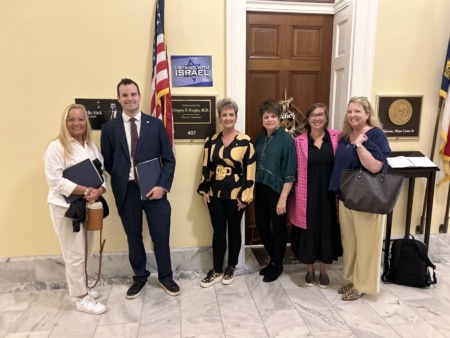
Despite the government shutdown, United Ostomy Associations of America (UOAA) successfully hosted Patient Voices on the Hill Day on October 8th. UOAA advocates from across the country—strategically chosen from districts and states with influential lawmakers on health policy—traveled to Washington, D.C. to protect access to ostomy and urological supplies.

💬 Patients Speak Out

During a full day of meetings, advocates shared powerful clinical insights and personal stories to educate Members of Congress and Administration officials about the dangers of including ostomy and urological supplies in the Competitive Bidding Program (CBP). They highlighted how treating these medical devices as “one-size-fits-all” equipment could severely limit access to essential, individualized prosthetic supplies—putting patient safety, health, and quality of life at risk.

The patient stories shared were deeply moving. Advocates showed photos, supplies, and firsthand experiences illustrating the physical and emotional impact of pouch leaks, skin damage, and the challenges of living with an ostomy. Their voices made the issue personal, underscoring the human cost of misguided policy changes.

In every meeting, UOAA advocates called for Congressional oversight to ensure that ostomy and urological prosthetic devices remain excluded from the CBP proposal.

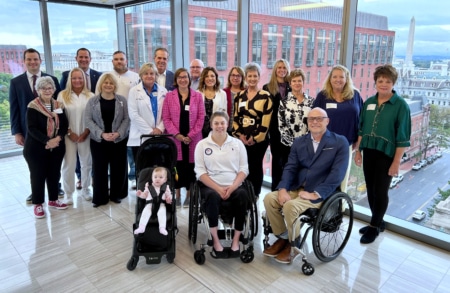
Patient Voices on the Hill Day Advocates included, back row from left: Dr. Diego Schaps, Mark Jassey, Rick Riessle, Rolf Benirshke and Mike McGinty Middle row from left: Lisa Donovan, Jeanine Gleba, Jenny Levinson, Laura Kaiser (APRN, CWOCN) Briana Hovermale, Jessica Pelle, Colleen Seeber-Combs, Theresa Johnson, Megan Miller (CWOCN), Christine Ryan, Rebecca Mcelyea (CWOCN) and Kimberly Sanders. Front row from left: Reilly and Tracy Otto, Steve Kearley. Missing from photo: Sananda A. Jones. Photo by Ed Pfueller, UOAA Communications and Outreach Manager.

The fly-in brought together 16 dedicated patient advocates and caregivers, including ostomy nurses and leaders from UOAA, Convatec, and a representative from the WOCN Society. Together, they conducted 30 meetings across Capitol Hill—8 in the Senate and 22 in the House—engaging 16 Republican and 14 Democratic offices. Lawmakers on both sides of the aisle expressed strong interest in safeguarding patient access to medically necessary products.

As a result, the event generated significant bipartisan support and strengthened relationships with Congressional champions committed to protecting access to ostomy and urological supplies as essential prosthetic medical devices.

We extend our deepest gratitude to all the advocates who took time from their lives to speak out on behalf of our community, and to Convatec for joining forces with us to make this effort possible.

In addition, thank you to the 1,000 advocates nationwide who responded to our most recent Call to Action!  Your stories and outreach encouraged Representatives to sign a Congressional Letter led by Reps. Neal Dunn (R-FL) and Greg Murphy (R-NC)—both urologists—urging CMS and OMB to withdraw the proposal. The final letter, sent on October 9, 2025, was signed by 26 Members of Congress, a strong showing of bipartisan support. UOAA’s advocacy efforts were recognized in a recent HME News Article.

At this time, there are no open action alerts for this campaign. However, if you have received a response from your elected official, please contact us at advocacy@ostomy.org so we can continue the dialogue with their offices. 

We will continue to provide updates as they become available. For background information, updates, and ways to get involved—including social media tools—please visit our Competitive Bidding advocacy page.

We expect the final ruling on this issue in November. Regardless of the outcome, please know that UOAA remains steadfast in its commitment to work with policymakers and ensure continued access to the supplies that support dignity, health, and quality of life for all people living with an ostomy.

Thank you for standing with us and lending your voice to this vital effort.

NEW UPDATE! List of  specific Lawmakers wen need to contact ASAP – take action here.

Join UOAA’s Advocacy Network to get the latest alerts to take advocacy action on issues important to our ostomy and continent diversion community!

By Jeanine Gleba, UOAA Advocacy Manager and Ed Pfueller, UOAA Communications and Outreach Manager

Each year United Ostomy Associations of America (UOAA) celebrates Ostomy Awareness Day in the United States on the first Saturday of October. Coincidentally, every three years on the first Saturday it is World Ostomy Day. This year we are celebrating World Ostomy Day around the globe on Saturday, October 4, 2025.  The International Ostomy Association determined this year’s theme as “Invisible Disabilities. Visible Support. The Global Unity of Ostomates. The goal of this theme is “Bringing light to uncover the invisible ostomy and create visible support. Fostering conversation, global awareness, and ensuring equity for our communities both locally and globally.” 

UOAA hopes everyone will be part of the “Visible Support” so many people are seeking after surgery. We also recognize that not all people living with an ostomy feel a connection to the  “Invisible Disabilities” theme but we seek to educate all ostomates on their workplace rights and federal ADA protections. Together we can raise positive awareness and smash stigmas to ensure all ostomates are universally accepted and treated equally with dignity and respect.

This year UOAA has named Keely Cat-Wells as this year’s World Ostomy Day Champion. “Being a World Ostomy Day Champion is a huge honour. It’s about using my platform to bring visibility to a community that is too often overlooked, even within the wider disability movement. Having an ostomy has shaped so much of my lived experience, and I know how isolating it can feel when society erases or stigmatizes something so fundamental to your health and survival,” she says.

We’re also excited to announce that UOAA has become members of the Hidden Disabilities: Sunflower Program. Have you seen the Sunflower? This is a global program whose tagline is “Making the invisible visible.” which makes them the perfect partner for this year’s World Ostomy Day! The Sunflower empowers individuals to voluntarily share that they have a non-visible condition and may need additional help, understanding, or simply more time.  Sunflower members iinclude companies such as United Airlines and LEGO and airports around the world. UOAA is working with them to create dedicated ostomy-content on their website. Check out the upcoming Hidden Disabilities Sunflower Conversations Podcast on October 4 where our champion Keely Cat-Wells appears alongside Nate Hadlock, Chair of UOAA’s Patient Advisory Board.

A Special Edition of Ostomy Academy

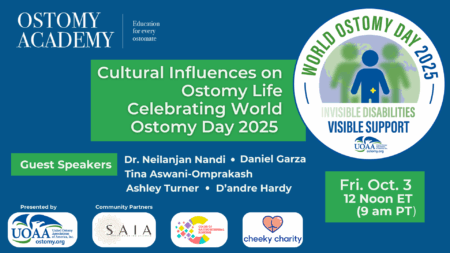
To kick-off the weekend events and celebrate World Ostomy Day UOAA is partnering with the nonprofit organizations South Asian IBD Alliance (SAIA), Color of Gastrointestinal Illnesses and Cheeky Charity for a special edition Ostomy Academy on Cultural Influences on Ostomy Life on Friday, October 3, 2025 at noon EST. In this conversation, we’ll address the unique challenges people may face within their communities—based on their ethnicity, culture, sexual orientation, or gender—and explore the support systems that can help. Register here.

Find or be the “Visible Support”

Visible ostomy support can come in many forms such as becoming a member of one of UOAA’s 285 Affiliated Support Groups.  Despite assurances from medical professionals, people facing ostomy surgery may feel scared or isolated. There is no substitute for peer support, the visual proof provided by someone who has had similar surgery and learned to live well with an ostomy.

What better “visible support” is there then being an “ostomy friend”? UOAA is proud to partner with Embracing Ostomy Life in the Team HOPE program. Team HOPE matches volunteer veteran/established people living with an ostomy, who have completed UOAA’s online “Ostomy Friends” training course, with new ostomates. Connections are made based on factors like gender, type of ostomy, lifestyle, and age. Get involved in this person-to-person support to help new ostomates achieve an optimal physical, mental and social recovery.

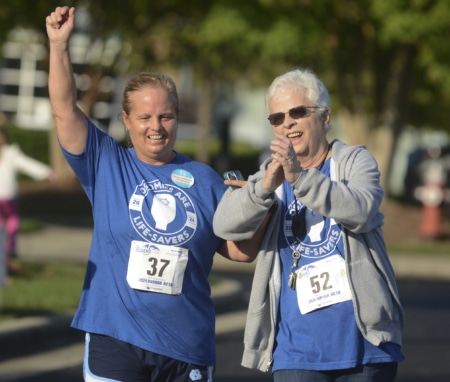
Another great form of visible ostomy support is attending the festive atmosphere of one of our eight Run for Resilience Ostomy 5k events around the country or join the Virtual Ostomy 5k in your corner of the world! This year’s World Ostomy Day T-Shirt is still available to virtual participants who sign-up by September 23rd! These events are also a critical fundraiser for the services and programs provided by UOAA so even if you don’t want to walk, roll, or run, consider cheering others on and a donation to celebrate the resilience of all people living with an ostomy.

Ostomy companies are another visible form of support for the community and their Ostomy 5k event sponsorships help off-set costs and make these gatherings possible. Many will have reps on hand to share products and talk with attendees. See the World Ostomy Day page for all the ways sponsors are celebrating online and at events.

Share your “Visible Support” on Social Media

Give thanks for your Support! Use social media to highlight the people, groups, orgs or resources that have supported you in life with an ostomy. Use Hashtags like #WorldOstomyDay #VisibleSupport #InvisibleDisabilities and be sure to tag UOAA.

We make it easy to share even if you are not on social media you can click on a storyprompt here here to record a video automatically or leave a text response or photos for our collection of “Visible Support” stories!

However you choose to celebrate, let us know! Share your photos and ideas for raising ostomy awareness this year with UOAA. 

To learn more and get involved in World Ostomy Day 2025 please visit https://www.ostomy.org/world-ostomy-day/

Keely Cat-Wells is approaching the 10th anniversary of her ileostomy surgery. Before the surgery at 17, Keely endured years of misdiagnoses, experimental procedures, and was incorrectly told her pain was imagined. She was forced to leave college and put aside her dream of becoming a professional dancer. The experience left scars of trauma, but it also gave her a perspective that continues to fuel her mission today.

Living with chronic illness, PTSD and a permanent ileostomy, she has turned those challenges into resilience and purpose. In the years since, she has found joy, adventure, and meaning, advocating alongside friends, building new pathways for others, and creating opportunities she once wished had existed for herself.

That lived experience directly informs her role as the founder and CEO of Making Space, a talent and learning platform that has supported over 10,000 Disabled professionals through employment and education, and was recently named one of Forbes’ Top 100 Companies in Accessibility.

United Ostomy Associations of America (UOAA) has named Keely as this year’s World Ostomy Day Champion. The International Ostomy Association determined this year’s theme as “Invisible Disabilities. Visible Support. The Global Unity of Ostomates and the day is being celebrated on Saturday, October 4, 2025.

Highlighting ostomy awareness is about normalizing the conversation, breaking down barriers of shame, and ensuring that others with ostomies see themselves represented with dignity.

“Being a World Ostomy Day Champion is a huge honour. It’s about using my platform to bring visibility to a community that is tooPhoto of Keely a white woman with blond hair wearing a black midriff shirt with a black ostomy pouch just visible above the waistline of her black pants.  often overlooked, even within the wider disability movement. Having an ostomy has shaped so much of my lived experience, and I know how isolating it can feel when society erases or stigmatizes something so fundamental to your health and survival,” she says.

Keely is a Forbes 30 Under 30 honoree, the youngest-ever Presidential Leadership Scholar, and a Gloria Steinem Fellow. Keely has served on the advisory board of Lady Gaga’s Born This Way Foundation and has written on disability employment and representation in TIME, Fast Company, Rolling Stone, and more.

She also co-produced a film with Reese Witherspoon’s Hello Sunshine that helped spark policy reform for Disabled travelers, and has spoken at leading companies, governments, and global institutions to challenge perceptions of disability.

Prior to founding Making Space, Keely founded C Talent, a talent agency that reshaped disability representation in media and grew a roster reaching more than 50 million people. Acquired in 2022, C Talent became the largest acquisition of a company specializing in Disabled talent.

Raising ostomy awareness is a passion for Keely.

“Highlighting ostomy awareness is about normalizing the conversation, breaking down barriers of shame, and ensuring that others with ostomies see themselves represented with dignity. It’s also about pushing for systemic change, because accessibility, healthcare, and inclusion must extend to every part of our lives, including how we navigate the world with medical devices,” she says.

“We have legal rights, and our access needs must be upheld. Public restroom access, supply coverage, and travel accommodations, and more are disability justice issues, not optional extras.”

UOAA recognizes that not all people living with an ostomy feel a connection to this year’s “Invisible Disabilities” theme or the larger Disability rights movement but we seek to educate all ostomates on their workplace rights and federal ADA protections. UOAA works toward a society where people with ostomies and intestinal or urinary diversions are universally accepted and supported socially, economically, medically, and psychologically.

Living with an ostomy means navigating many of the same barriers faced by other Disabled people: inaccessible spaces, employment discrimination, lack of workplace accommodations, and stigma that silences.Keely wearing black on the white marble steps of the U.S. Capitol building in Washington, DC

“Disability is broad, diverse, and intersectional. Including ostomates within the movement strengthens it, ensuring that no Disabled person feels left out of their own community,” Keely says. “It is easy to feel “not Disabled enough” within disability spaces, and it is also easy to feel “too Disabled” in non-Disabled spaces.” She believes ostomate stories can change perceptions of what disability looks like and that our experiences deserve to be seen and valued within the broader Disability community.

“We have legal rights, and our access needs must be upheld. Public restroom access, supply coverage, and travel accommodations, and more are disability justice issues, not optional extras.”

In her 10 years with an ostomy Keely has seen positive changes in ostomy awareness and acceptance.

“It has been awesome watching the increase in people sharing their stories openly on social media. What used to feel like something hidden or stigmatized is now being reclaimed with pride, people are creating visibility, building community, and sparking action just by speaking their truth.”

In her business work she has also seen brands start to reflect change. “When companies like LEGO include ostomy representation in their products, it sends such a strong message: that our experiences are valid, visible, and worth celebrating. Representation like that normalizes the conversation and gives young people a chance to grow up seeing themselves reflected in the world around them.”

Of course, both Keely and UOAA recognize that there’s still work to do.

“Stigma remains, and too many people continue to face discrimination, lack of access to the right supplies, or barriers when traveling and working. To keep driving progress, we all need to keep telling our stories, keep pushing for policy changes, and keep holding brands, governments, and healthcare systems accountable.”

To find out more from Keely Cat-Wells, check out the upcoming Hidden Disabilities Sunflower Conversations Podcast on October 4 where she appears alongside Nate Hadlock, Chair of UOAA’s Patient Advisory Board. To get involved in World Ostomy Day 2025 please visit https://www.ostomy.org/world-ostomy-day/

For most of my life, I measured the time it would take me to make it safely to the bathroom. If the bathroom dash was an Olympic event, I’d have won a gold medal! I often use humor when I talk about my condition, short bowel syndrome (SBS). But my story is one of hope, and how staying hopeful has helped me through each day. Of course, it was more than that. Living with a serious and chronic gastrointestinal disorder like SBS can require determination, persistence, and yes, even a sense of humor. I’m thankful I’ve had one my whole life. My name is Denise and this is my story.

If you are living with Short Bowel Syndrome and rely on parenteral support, there’s an SBS Mentor available to connect with you. Click here to learn more.

My Story Begins

As a teenager, I had an ongoing argument with my brother and sisters. Whenever it was time to do the dishes, I had to use the bathroom. They never realized that the reason that I had to use the bathroom every time we were done eating was because I had a medical issue. They just noticed that when it was my turn to do dishes I always disappeared. Nobody knew what was happening. In our family, we never went to the doctor and you put up with whatever you had going on. My dad and I were always racing each other to the bathroom to see who could get there first. I realize now that my father probably had some form of bowel disease, but he never was diagnosed.

When I was 18, I was diagnosed with Crohn’s disease. But I was determined to never let it get in my way. I got married and had three beautiful daughters. Along the way, I took a job as a 9-1-1 operator and eventually entered the police academy and became a police officer. Unfortunately, my first marriage didn’t last, but in time I met, fell in love with and eventually married a man who was then a member of the SWAT team. At that time, I finally felt like my life was falling into place—except for my recurrent Crohn’s flare-ups. Over the years, I had several surgeries caused by bowel obstructions. Each occurrence sent my determination into overtime. I wasn’t going to let anything stop me. I powered through each occurrence hoping it would be my last.

Then in 2009, even my unflappable hope and determination were tested after I retired from the police department. In November of that year, my husband developed a tumor on his spine, which left him paralyzed from the chest down. During this time, I cared for him and didn’t think about my Crohn’s disease at all. Although I didn’t want to admit it, the stress of caring for my husband around the clock took its toll on me. My Crohn’s disease got my attention like a house of bricks falling on top of me and one after another, complications set in.

Setbacks, Sepsis and Surgery

My daughter and her spouse moved in to help take care of my husband. Eventually I was hospitalized with yet another obstruction. Each time that I thought I was getting better, I’d suffer another setback. I became septic and had to go back to the hospital. I had an ileostomy to give my intestines and bowels a rest. If you are not familiar with an ileostomy, it is a surgically created opening in the abdomen in which a piece of the ileum (lowest part of the small intestine) is brought outside the abdominal wall. A stoma is created through which digested food passes into an external pouching system.

I was in the hospital for weeks, but I continued to worsen. I had horrible diarrhea and my electrolytes were off. Then I began having heart problems and was placed in the intensive care unit (ICU), where my kidneys began to fail. My body began shutting down and I was transferred to a specialty clinic. I was there for a month.

When I was finally discharged, I couldn’t leave the house for fear of having an accident if the ileostomy bag became too full and leaked—which it frequently did! After my surgery, food was moving too rapidly from my stomach to small intestines, an issue known as “dumping syndrome” – which caused me to experience a high volume of diarrhea. I had trouble keeping a good seal on my stoma site. Because of this, the skin surrounding my stoma became raw and infected. It was a vicious cycle!

My Diagnosis: Short Bowel Syndrome

Even after my ileostomy was reversed, I had limited bowel control. I was in and out of the hospital for over a year, and in November 2013 I was diagnosed with short bowel syndrome or SBS. SBS is a rare, serious and chronic malabsorption disorder that occurs when parts of the intestine are removed, and the remaining intestine may not be able to absorb enough nutrients from food and drink. In adults, SBS can develop from a loss of function and surgical removal of parts of the intestine due to inflammatory bowel disease (IBD), such as Crohn’s disease. I sat there in shock. The thought of living like this for the rest of my life left me numb. When we returned home. I immediately went online. The more I read, the more I was worried. But then I realized, I could do this. Yes, having SBS would impact my life more than I initially thought, but it wouldn’t stop me.

At that time, since I could barely take care of myself, my husband had to stay at a nursing home.
My life was a roller coaster, out of control. I was confined to home by SBS. I would eat and have to use
the bathroom five minutes later.
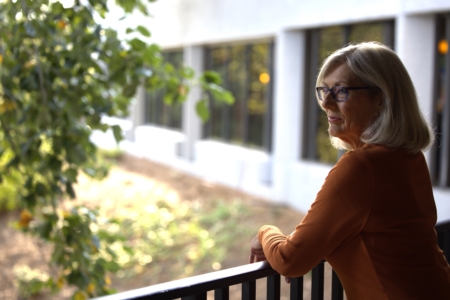
I told my doctor, “I can’t live like this; this isn’t living. I don’t see my friends. I’m crying all the time.” Because I wasn’t able to absorb food or nutrients, I was placed on different forms of parenteral support, or PS. Monday through Saturday I had a large bag of clear saline solution and I had to administer the medications into the bag. The transfusion took 12 hours to complete. Then I had total parenteral nutrition (TPN) infusions at night. The infusions really limited my ability to get out of the house and be active. And when I did get out, I had to pack an emergency bag whenever I left the house in case I had an accident. I had cleaning supplies, garbage bags for soiled clothes, and clean clothing. It was so embarrassing having an accident when out with friends, shopping, going to the doctor, going to the dentist, going to the grocery store, mowing the lawn, or even talking to my neighbors. I didn’t know whether I should laugh or cry. I chose laughter because I was afraid to cry.

Starting An SBS Treatment

In May 2015, my determination and optimism were about at their limit when my doctor told me about a medication called GATTEX® (teduglutide) for subcutaneous injection. He told me I might be a good candidate to try GATTEX, which is a prescription medicine approved for use in adults and children 1 year of age and older with short bowel syndrome who need additional nutrition or fluids from intravenous (IV) feeding. This type of IV feeding is also known as parenteral support (PS). It is not known if GATTEX is safe and effective in children under 1 year of age.

We talked about the potential benefits and risks of the medication, including the risk of serious side effects including making abnormal cells grow faster, polyps in the intestines, blockage of the bowel (intestines), swelling (inflammation) or blockage of the gallbladder or pancreas, and fluid overload. Learning about these potential side effects led me to hesitate a bit, but I believed that if I didn’t try to treat my condition, it would remain the same or could even get worse. These are not all the possible side effects, so anyone considering GATTEX treatment should talk to their own healthcare professional or medical team. I weighed the risks and benefits, and my doctor and I decided together that I should start GATTEX.

Please continue reading for additional Important Safety Information.
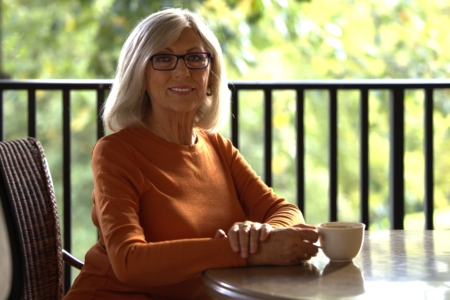
Within six months, I was able to reduce my parenteral support (PS) with GATTEX, which meant less PS at night—with fewer accidents and more sleep. While this was my experience with GATTEX, others may have different treatment experiences. I still sometimes have uncontrolled bowel movements and I sleep on a pad. Because I still never know when an uncontrolled bowel movement may happen, I wear a pad if I’m going to be out of the house for a while, just in case. But I no longer have to carry a PS backpack with me. After being on GATTEX for a number of months, with the help and monitoring of my doctor, I was able to come off my PS. With less PS I was able to do things I enjoy.

I admit, I don’t love giving myself a shot every day. I always hesitate for a nanosecond and then surprise myself. Some days are easier than others. I do my shot at bedtime and rotate it around the four sections of my abdomen.

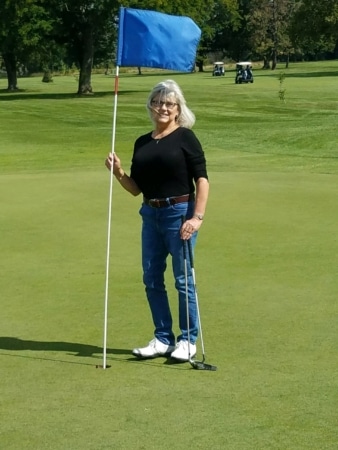
I can’t adequately describe my joy that GATTEX has worked well for me! Sure, I still have problems now and then, but really, who doesn’t have problems in life? It’s such a relief that I can leave home and enjoy the things I love! I travel, visit friends, go to the grocery store, play pickleball, and even golf!
If you’re diagnosed with SBS, don’t give up. There are times when I took life an hour at a time. I’d encourage you to focus on going forward. In my experience, it helps to have supportive friends and family, and a trusting relationship with the medical team helping you. My doctor has dietitians on staff and they work with my nutrition plan to help ensure I’m making good choices. My doctor orders tests to check my levels. If any of the results are “off,” I’m then advised of any changes that need to be made.

Today, I’ve hung up my Olympic medal for the bathroom dash and that’s just fine with me. I’ve faced the difficulties of living with short bowel syndrome and once again discovered hope, persistence, and laughter.

IMPORTANT SAFETY INFORMATION

What is the most important information I should know about GATTEX? GATTEX may cause serious side effects, including:

Making abnormal cells grow faster

GATTEX can make abnormal cells that are already in your body grow faster. There is an increased risk that abnormal cells could become cancer. If you get cancer of the bowel (intestines), liver, gallbladder or pancreas while using GATTEX, your healthcare provider should stop GATTEX. If you get other types of cancers, you and your healthcare provider should discuss the risks and benefits of using GATTEX.

Polyps in the intestines 

Polyps are growths on the inside of the intestines. For adult patients, your healthcare provider will have your colon and upper intestines checked for polyps within 6 months before starting GATTEX, and have any polyps removed. To keep using GATTEX, your healthcare provider should have your colon and upper intestines checked for polyps at the end of 1 year of using GATTEX.

For pediatric patients, your healthcare provider will check for blood in the stool within 6 months before starting GATTEX. If there is blood in the stool, your healthcare provider will check your colon and upper intestines for polyps, and have any polyps removed. To keep using GATTEX, your healthcare provider will check for blood in the stool every year during treatment of GATTEX. If there is blood in the stool, your healthcare provider will check your colon and upper intestines for polyps. The colon will be checked for polyps at the end of 1 year of using GATTEX.

For adult and pediatric patients, if no polyp is found at the end of 1 year, your healthcare provider should check you for polyps as needed and at least every 5 years. If any new polyps are found, your healthcare provider will have them removed and may recommend additional monitoring. If cancer is found in a polyp, your healthcare provider should stop GATTEX.

Blockage of the bowel (intestines)

A bowel blockage keeps food, fluids, and gas from moving through the bowels in the normal way. Tell your healthcare provider right away if you have any of these symptoms of a bowel or stomal blockage:

  • trouble having a bowel movement or passing gas
  • stomach area (abdomen) pain or swelling
  • nausea
  • vomiting
  • swelling and blockage of your stoma opening, if you have a stoma

If a blockage is found, your healthcare provider may temporarily stop GATTEX.

Swelling (inflammation) or blockage of your gallbladder or pancreas

Your healthcare provider will do tests to check your gallbladder and pancreas within 6 months before starting GATTEX and at least every 6 months while you are using GATTEX. Tell your healthcare provider right away if you get:

  • stomach area (abdomen) pain and tenderness
  • chills
  • fever
  • a change in your stools
  • nausea
  • vomiting
  • dark urine
  • yellowing of your skin or the whites of your eyes

Fluid overload

Your healthcare provider will check you for too much fluid in your body. Too much fluid in your body may lead to heart failure, especially if you have heart problems. Tell your healthcare provider if you get swelling in your feet and ankles, you gain weight very quickly (water weight), or you have trouble breathing.

The most common side effects of GATTEX include:

  • stomach area (abdomen) pain or swelling
  • nausea
  • cold or flu symptoms
  • skin reaction where the injection was given
  • vomiting
  • swelling of the hands or feet
  • allergic reactions

The side effects of GATTEX in children and adolescents are similar to those seen in adults. Tell your healthcare provider if you have any side effect that bothers you or that does not go away.

What should I tell my healthcare provider before using GATTEX?

Tell your healthcare provider about all your medical conditions, including if you or your child:

  • have cancer or a history of cancer
  • have or had polyps anywhere in your bowel (intestines) or rectum
  • have heart problems
  • have high blood pressure
  • have problems with your gallbladder, pancreas, kidneys
  • are pregnant or planning to become It is not known if GATTEX will harm your unborn baby. Tell your healthcare provider right away if you become pregnant while using GATTEX.
  • are breastfeeding or plan to It is not known if GATTEX passes into your breast milk. You should not breastfeed during treatment with GATTEX. Talk to your healthcare provider about the best way to feed your baby while using GATTEX.

Tell your healthcare providers about all the medicines you take, including prescription or over-the counter medicines, vitamins, and herbal supplements. Using GATTEX with certain other medicines may affect each other causing side effects. Your other healthcare providers may need to change the dose of any oral medicines (medicines taken by mouth) you take while using GATTEX. Tell the healthcare provider who gives you GATTEX if you will be taking a new oral medicine.

Call your doctor for medical advice about side effects. You are encouraged to report negative side effects of prescription drugs to the FDA. Visit www.fda.gov/medwatch or call 1-800-FDA-1088.

What is GATTEX®?

GATTEX® (teduglutide) for subcutaneous injection is a prescription medicine used in adults and children 1 year of age and older with Short Bowel Syndrome (SBS) who need additional nutrition or fluids from intravenous (IV) feeding (parenteral support). It is not known if GATTEX is safe and effective in children under 1 year of age.

For additional safety information, click here for full Prescribing Information and Medication Guide, and discuss any questions with your doctor.

To learn more about Short Bowel Syndrome and a prescription treatment visit https://www.gattex.com/short-bowel-syndrome/

Editor’s Note: This educational article is from one of our digital sponsors, Takeda. Sponsor support along with donations from our readers like you help to maintain our website and the free trusted resources of UOAA, a 501(c)(3) nonprofit organization.

©2025 Takeda Pharmaceuticals U.S.A., Inc. 1-877-TAKEDA-7 (1-877-825-3327). All rights reserved.
Takeda and the Takeda logo are trademarks or registered trademarks of Takeda Pharmaceutical Company Limited.
GATTEX and the GATTEX logo are registered trademarks of Takeda Pharmaceuticals U.S.A., Inc. US-TED-1644v1.0 08/25


 

A couple years ago, I wasn’t thinking much about my health. I was a little overweight, but nothing alarming. Life was busy working full-time while chasing around two wild but wonderful kids under five.

Then in November 2023, everything changed. I started bleeding when I used the bathroom. Over time, the urgency and frequency increased, and I found myself going 6–8 times a day. After bouncing between urgent care, my primary doctor, and a GI specialist, I was diagnosed with ulcerative colitis in January 2024.

Those three months waiting for a diagnosis were a mental warzone. Googling symptoms like “dark red blood in stool” returns a fun list: hemorrhoids, IBD, and cancer. While I was relieved to finally have a diagnosis, IBD wasn’t something I ever imagined dealing with.

At first, I managed with diet. I avoided trigger foods and even used ChatGPT to check what I could safely eat when dining out. But during a vacation in February I flared badly. What was supposed to be a beautiful cruise celebrating my brother’s and sister-in-law’s marriage ended up being an endless visit to excursions on the toilet and lying in bed. On the flight home, I had to abandon my 3-year-old in his seat four separate times to rush to the bathroom. It was a rude awakening to how terrible ulcerative colitis and iBD in general could be, and created a new fear constantly in the back of my mind that the next thing I eat or do may make me sick for weeks at a time. Things did not get better when we got back.

On Monday, March 4th, I went to the ER thinking I’d get some medication and go home. Instead, I was admitted. “Steroids always help! You’ll be out in a few days,” they said. But by the weekend, I was even worse.

Then I tried biologics. “Infusions never fail,” they told me about 30 minutes before I failed my first one.

After multiple failed treatments, and now two weeks into my hospital stay, I was transferred overnight to a hospital in the city. Surgery was mentioned early on as a worst-case scenario, just in case. My brother had questions for the surgical team at that time, but I brushed them off: “We’re so far from that! There’s no way it’s going to happen.”

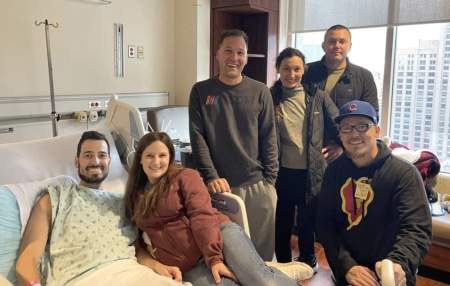
Flash forward to the third week. I was exhausted, nauseated, and in pain. Surgery stopped being the last resort. I wanted it. I told the surgeon I wished the decision would be made for me, because mentally, I wasn’t strong enough to choose that road on my own.

On Friday, March 22nd, after continued lack of progress, my care team made the call: it was time. My colon had perforated. I was rushed into emergency surgery for a total colectomy. I woke up with an ileostomy and a new chapter ahead.

Adjusting to a stoma was overwhelming. Seeing a piece of your intestine, or stoma, outside your body doesn’t exactly quickly become “normal.” I hadn’t even realized, 30+ years into life, that people pooped out of their stomachs. My wife and I were told we were brave during ostomy training, since many people can’t even bear to look at themselves post-surgery. I didn’t feel brave, just dazed. But I found ways, through products and routine, to feel okay in my own skin.

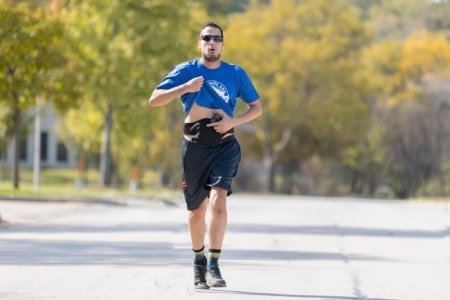
At the 5k, I met people who had lived with ostomies for years, people who got it. That sense of community grounded me. Seeing others thrive helped me believe I could, too.

Matt Marra showing his ostomy belt while running the Run for Resilience Ostomy 5k in Illinois, his first year after surgery. Photo by Anne Marra.

Discovering My Resilience

Managing leaks, mastering appliance changes, showering without disaster, sleeping through the night without anxiety, all of it took time. There were 3 a.m. blowouts. There were tears. There was grief and anger.

But I adapted. The stoma became a part of me. Most of the time, I didn’t notice it — and neither did anyone else. I could eat again. I didn’t obsess over bathroom access. I had energy. I had my life back.

And most importantly — my ostomy saved my life.

I spent 30 nights in the hospital. On the worst days, walking three laps around the floor felt like running a marathon. I told myself: just make it to the next milestone. So when I saw the UOAA’s 2024 Run for Resilience Ostomy 5k in Downers Grove, Illinois, I signed up, not just to raise awareness, but to prove something to myself.

Crossing that finish line in just my second-ever 5k was emotional. It felt like a full-circle moment. I was back. Maybe not the same. But just as strong.

Support made all the difference. My wife Anne helped with bag changes, middle-of-the-night cleanups, and the emotional weight of it all. My brothers, Nick and Joe, made sure I was never alone during those long hospital nights.

At the 5k, I met people who had lived with ostomies for years — people who got it. That sense of community grounded me. Seeing others thrive helped me believe I could, too.

From March 2024 to June 2025, I lived a very full life with my ostomy. I traveled to weddings in Mexico and Colorado. I climbed mountains. I flew to Austria and Slovakia for a week-long work trip. Ten-hour flights used to terrify me. Now? No problem. My ostomy didn’t hold me back. If anything, it gave me freedom.

I continue to push myself, no matter the challenges. To show my kids what resilience means.

To every UC patient I’ve talked to about surgery: no, I don’t get a commission. I just know what my ostomy did for me. How UC wrecked my life, and how surgery gave me peace, physically and mentally. I know my path was fast: diagnosis to surgery in five months. But in some ways, I’m grateful. I didn’t suffer for years. I got my life back sooner. For as mentally draining as it was to constantly worry about my health, what I was eating, and where the closest bathroom were – I can only imagine what that is like for those that have been through this for decades battling their chronic IBD.

My ostomy was temporary, though it felt like a permanent part of me. I had two more surgeries, in March and June 2025, to transition to a J-pouch. The stoma is gone, but the scar remains. A battle scar. A reminder. And something I’ll always be thankful for.

For most of my time with an ostomy, I asked: “Why me?” What were the odds? Could I have avoided this if one treatment had worked?

But near the end of my journey, that shifted. I started thinking: “Wow… I’m glad I had an ostomy.” Because it taught me I could not just survive with it but that I could live a full life with it. Looking back on those early conversations in the hospital, when the idea of pooping out of your stomach felt surreal, I never imagined I’d feel that way just one year later.

I continue to push myself, no matter the challenges. To show my kids what resilience means. That no matter what knocks you down, you get back up.

And this October, I’ll lace up again for the 2025 Run for Resilience for yet another milestone. Another chance to prove I’m still standing and thriving.


Visit Matt’s Run for Resilience fundraiser at https://runsignup.com/marra to support the nonprofit programs and services of UOAA. To learn more or sign-up for a Run for Resilience Ostomy 5k near you or virtually visit ostomy.org/5k