
World Ostomy Day Champion Keely Cat-Wells is a Leader in Breaking Down Barriers
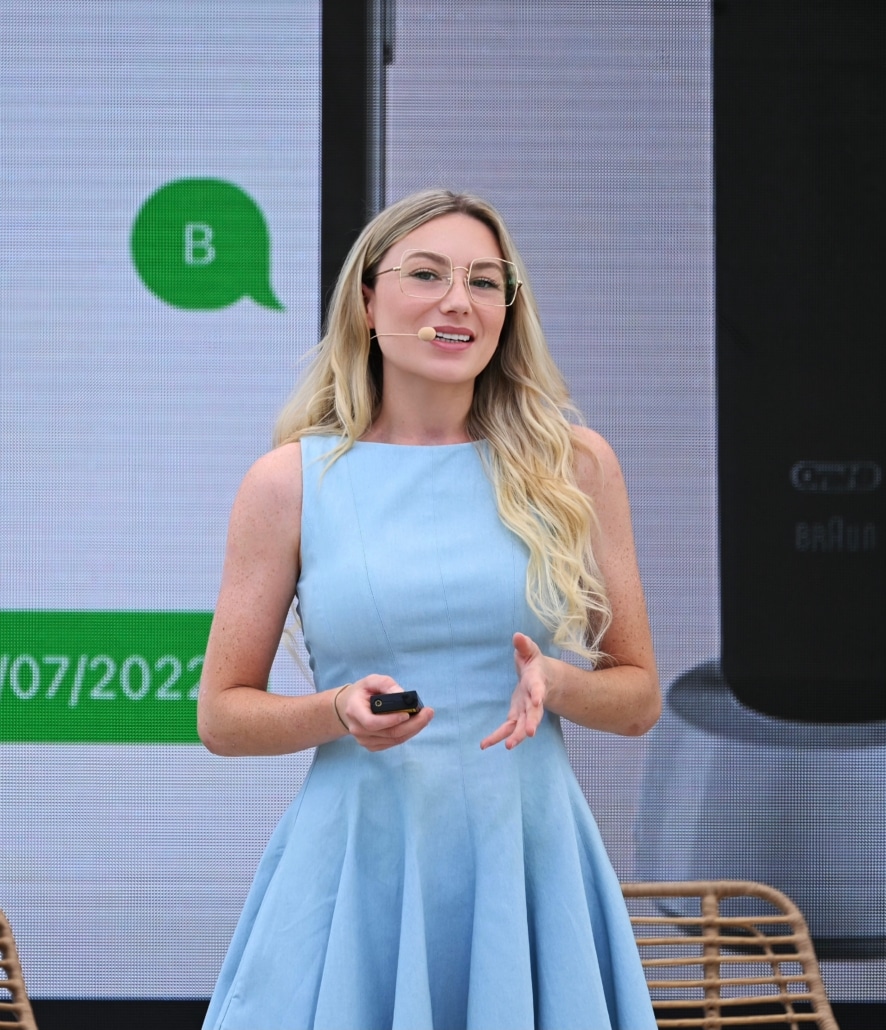
Keely Cat-Wells is approaching the 10th anniversary of her ileostomy surgery. Before the surgery at 17, Keely endured years of misdiagnoses, experimental procedures, and was incorrectly told her pain was imagined. She was forced to leave college and put aside her dream of becoming a professional dancer. The experience left scars of trauma, but it also gave her a perspective that continues to fuel her mission today.
Living with chronic illness, PTSD and a permanent ileostomy, she has turned those challenges into resilience and purpose. In the years since, she has found joy, adventure, and meaning, advocating alongside friends, building new pathways for others, and creating opportunities she once wished had existed for herself.
That lived experience directly informs her role as the founder and CEO of Making Space, a talent and learning platform that has supported over 10,000 Disabled professionals through employment and education, and was recently named one of Forbes’ Top 100 Companies in Accessibility.
United Ostomy Associations of America (UOAA) has named Keely as this year’s World Ostomy Day Champion. The International Ostomy Association determined this year’s theme as “Invisible Disabilities. Visible Support. The Global Unity of Ostomates and the day is being celebrated on Saturday, October 4, 2025.
Highlighting ostomy awareness is about normalizing the conversation, breaking down barriers of shame, and ensuring that others with ostomies see themselves represented with dignity.
“Being a World Ostomy Day Champion is a huge honour. It’s about using my platform to bring visibility to a community that is too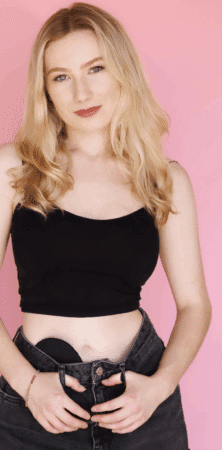 often overlooked, even within the wider disability movement. Having an ostomy has shaped so much of my lived experience, and I know how isolating it can feel when society erases or stigmatizes something so fundamental to your health and survival,” she says.
Keely is a Forbes 30 Under 30 honoree, the youngest-ever Presidential Leadership Scholar, and a Gloria Steinem Fellow. Keely has served on the advisory board of Lady Gaga’s Born This Way Foundation and has written on disability employment and representation in TIME, Fast Company, Rolling Stone, and more.
She also co-produced a film with Reese Witherspoon’s Hello Sunshine that helped spark policy reform for Disabled travelers, and has spoken at leading companies, governments, and global institutions to challenge perceptions of disability.
Prior to founding Making Space, Keely founded C Talent, a talent agency that reshaped disability representation in media and grew a roster reaching more than 50 million people. Acquired in 2022, C Talent became the largest acquisition of a company specializing in Disabled talent.
Raising ostomy awareness is a passion for Keely.
“Highlighting ostomy awareness is about normalizing the conversation, breaking down barriers of shame, and ensuring that others with ostomies see themselves represented with dignity. It’s also about pushing for systemic change, because accessibility, healthcare, and inclusion must extend to every part of our lives, including how we navigate the world with medical devices,” she says.
“We have legal rights, and our access needs must be upheld. Public restroom access, supply coverage, and travel accommodations, and more are disability justice issues, not optional extras.”
UOAA recognizes that not all people living with an ostomy feel a connection to this year’s “Invisible Disabilities” theme or the larger Disability rights movement but we seek to educate all ostomates on their workplace rights and federal ADA protections. UOAA works toward a society where people with ostomies and intestinal or urinary diversions are universally accepted and supported socially, economically, medically, and psychologically.
Living with an ostomy means navigating many of the same barriers faced by other Disabled people: inaccessible spaces, employment discrimination, lack of workplace accommodations, and stigma that silences.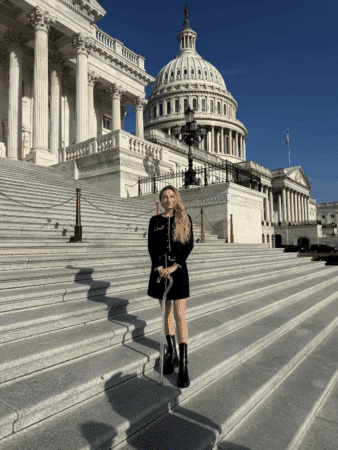
“Disability is broad, diverse, and intersectional. Including ostomates within the movement strengthens it, ensuring that no Disabled person feels left out of their own community,” Keely says. “It is easy to feel “not Disabled enough” within disability spaces, and it is also easy to feel “too Disabled” in non-Disabled spaces.” She believes ostomate stories can change perceptions of what disability looks like and that our experiences deserve to be seen and valued within the broader Disability community.
“We have legal rights, and our access needs must be upheld. Public restroom access, supply coverage, and travel accommodations, and more are disability justice issues, not optional extras.”
In her 10 years with an ostomy Keely has seen positive changes in ostomy awareness and acceptance.
“It has been awesome watching the increase in people sharing their stories openly on social media. What used to feel like something hidden or stigmatized is now being reclaimed with pride, people are creating visibility, building community, and sparking action just by speaking their truth.”
In her business work she has also seen brands start to reflect change. “When companies like LEGO include ostomy representation in their products, it sends such a strong message: that our experiences are valid, visible, and worth celebrating. Representation like that normalizes the conversation and gives young people a chance to grow up seeing themselves reflected in the world around them.”
Of course, both Keely and UOAA recognize that there’s still work to do.
“Stigma remains, and too many people continue to face discrimination, lack of access to the right supplies, or barriers when traveling and working. To keep driving progress, we all need to keep telling our stories, keep pushing for policy changes, and keep holding brands, governments, and healthcare systems accountable.”
To find out more from Keely Cat-Wells, check out the upcoming Hidden Disabilities Sunflower Conversations Podcast on October 4 where she appears alongside Nate Hadlock, Chair of UOAA’s Patient Advisory Board. To get involved in World Ostomy Day 2025 please visit https://www.ostomy.org/world-ostomy-day/



Visited here bc 40-something male family member one week ago had ostomy, and it is as yet unknown whether it will become permanent. Consequently, I am reading. I also am recalling when regularly doing informal modeling 40 years ago, a woman explained as we changed outfits she had an ostomy, and had had for ten years. She showed me the bag. It fit snug to her torso, lay perfectly flat, white, and unnoticeable against her skin. It thereby immediately de-stigmatized that which was new and different to me! And Yay for her! So this is just but one scenario illustrating how beautifully one person’s normalization of a once unexpected, unwanted — what?condition! gave us connection giving me education and herself acceptance! A winning combination.🙏💖
That is an incredible story about the power one individual can make! Please connect your family member with our resources, we are here for them. Thanks for sharing!