
Using the Power of UOAA’s Ostomy and Continent Diversion Patient Bill of Rights
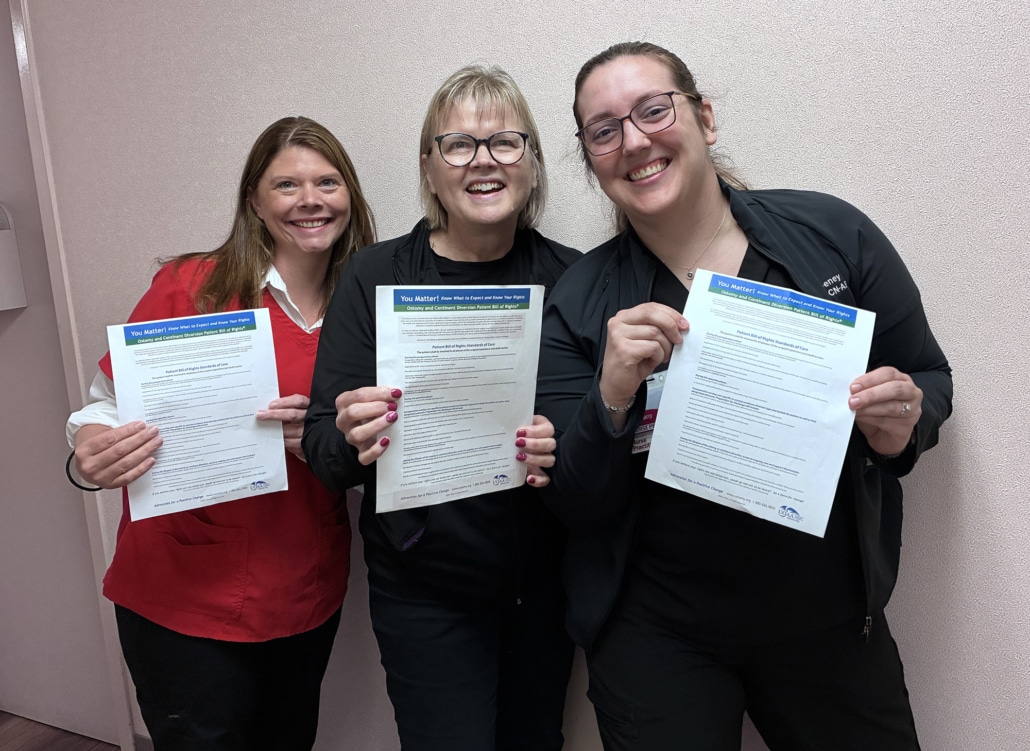
Two Nurses’ Journey to Expand and Improve Ostomy Care
By Joanna Burgess-Stocks, BSN, RN, CWOCN, UOAA Advocacy Committee Co-Chair
When organizational changes threatened access to specialized outpatient ostomy care, two certified Wound Ostomy and Continence (WOC) nurses at Indiana University Health turned to an important advocacy tool: UOAA’s Ostomy and Continent Diversion Patient Bill of Rights (PBOR). What followed was a successful effort to preserve and expand ostomy services for patients across the continuum of care.
Meet the WOC nurses who used the PBOR exactly as intended; to educate and outline optimal standards of ostomy care to facility leadership and to use it as a catalyst for change and improved patient care. Read their amazing journey of courage, fierce discipline and what drove their passion to create change.
Discovering the Power of the PBOR
For May Ishikawa, MSN, FNP-C, CWON and Bethany Feeney, MSN, APRN, AGPCNP-BC, CWOCN-AP WOC nurse champions at Indiana University Health, the PBOR became much more than a document, it became a catalyst for advocacy, program growth, and improved access to specialized ostomy care. May states “It completely changed how I practiced when I transitioned from inpatient to outpatient care.”
May Ishikawa was introduced to UOAA resources by a fellow CWOCN who regularly shared patient education materials, including the New Ostomy Patient Guide and Eating with an Ostomy. As she explored additional resources, she discovered the PBOR and quickly recognized its value as a guide for lifelong ostomy care. These clinicians shared copies with patients, and it became central to their patient education and empowerment efforts.
It also provided a needed framework for encouraging annual ostomy checkups and empowering patients to seek support as needed. May states “maintaining a connection with a certified ostomy nurse through the entire ostomy journey is a basic right.”
This simple yet powerful document would help shape a much larger journey, one that transformed advocacy into action.
Building on a Strong Foundation
IU Health already had many elements of the standards of the PBOR in place. Building a strong collaboration between inpatient and outpatient WOC teams ensured that patients left the hospital with scheduled follow-up appointments, creating a seamless transition from surgery to recovery. Their comprehensive approach to outpatient care included the following assessments:
- Pouching system effectiveness
- Peristomal skin health
- Patient confidence and self-care skills
- Supply management needs
- Overall adaptation to life with an ostomy
A Pivotal Moment
The ostomy clinic, originally located within an outpatient wound clinic under the hospital’s rehabilitation division, experienced steady growth. However, during an organizational review, leadership proposed shifting the outpatient space to focus exclusively on wound care, raising concerns about the future of dedicated ostomy services.
Rather than viewing this as a setback, May and Bethany saw an opportunity to advocate for their patients. May states “We utilized this pivotal moment to reinforce the core principles of the PBOR, reminding our community and our organization of the value of direct, unimpeded access to certified ostomy nurses.” Their efforts helped demonstrate that ostomy care is an essential part of quality patient care before surgery, after surgery, and throughout a patient’s lifetime.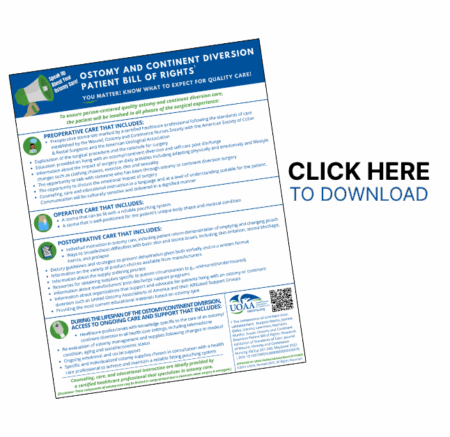
Building the Case for Change
To support their case, the team developed a meticulous business plan that combined financial and operational data, a detailed appendix of specialized billing codes, and clinic outcomes to demonstrate the value of specialized ostomy care. Their Advanced Practice Provider (APP) Manager became a key advocate and partner in the effort, helping present the proposal to senior leadership.
“It was important to track our department’s own internal data, May explained, “By presenting objective metrics that clearly measured the clinical impact certified ostomy nurses made on every patient we saw, we were able to build an undeniable case.”
Patient feedback and testimonials were equally compelling, illustrating how specialized ostomy care helped individuals adapt, regain confidence, and improve their quality of life. Together, the data and patient feedback convinced leadership of the program’s value. Ultimately, the clinic relocated under the surgical service line, preserving patient access to certified ostomy nurses and strengthening its connection to surgical care.
Why This Effort Worked
The success of the initiative came from changing perspectives. Rather than presenting specialized ostomy care as an additional service, the team reframed it as a fundamental patient right. By combining clinical data, patient stories, interdisciplinary collaboration, and the principles of the PBOR, they demonstrated that access to certified ostomy nurses is not a luxury, it is an essential component of quality healthcare.
Closing the Preoperative Education Gap
For May and Bethany, one important opportunity remained: expanding access to comprehensive preoperative education.
Patient feedback and tracking regarding the provision of pre-operative services at the clinic had consistently demonstrated the value of preoperative counseling. Patients who received education before surgery reported feeling more prepared and experienced smoother transitions after surgery. Those who had not received preoperative support often expressed a desire that such services had been available to them.
“When patients understand their rights and expectations, they become stronger advocates for themselves and help drive improvements throughout the healthcare system.”
Today, under its new surgical-home structure, the clinic was ideally positioned to expand services and bring the PBOR’s vision to life. Guided by its principles, the team strengthened preoperative counseling and highlighted the critical role education plays in helping patients enter surgery informed, empowered, and confident. Their program includes:
- Procedure-specific education
- Stoma siting with active patient participation
- Expectations for recovery
- Output management
- Hands-on pouching instruction
- Skin care and wafer preparation
- Nutrition and hydration guidance
- Discussions about intimacy and lifestyle concerns
- UOAA educational resources and manufacturer starter kits
Lessons for Other Organizations
For facilities interested in implementing the PBOR, May and Bethany recommend:
- Read the PBOR and the accompanying White Paper thoroughly.
- Conduct a gap analysis comparing current practices to PBOR standards.
- Identify opportunities to improve patient access throughout the continuum of care.
- Track meaningful clinical metrics, including readmissions and patient satisfaction.
- Pair patient outcomes with operational and financial data to build a compelling case for leadership.
- Educate stakeholders about the value that the PBOR brings to patients and the healthcare organization.
A Call to Action; Expanding Reach of the PBOR!
For May and Bethany, the PBOR is a powerful advocacy tool, but its impact could be even greater through broader awareness among healthcare organizations, professional societies, educators, and patient advocacy groups.
Bethany emphasizes the importance of introducing patients and caregivers to the PBOR early in their care journey. “When patients understand their rights and expectations, they become stronger advocates for themselves and help drive improvements throughout the healthcare system.”
The experience at Indiana University Health demonstrates what can happen when evidence-based practice, advocacy, and patient-centered care come together. Guided by the PBOR, May and Bethany transformed a challenge into an opportunity to strengthen services and expand access for ostomy patients.
As May notes, “Ostomy care is basic essential healthcare that patients deserve, not just before and immediately after surgery, but throughout their entire lifetime journey.”






Leave a Reply
Want to join the discussion?Feel free to contribute!