
KENTUCKY NURSE TO BECOME AN OSTOMY RESOURCE FOR HER RURAL COMMUNITY
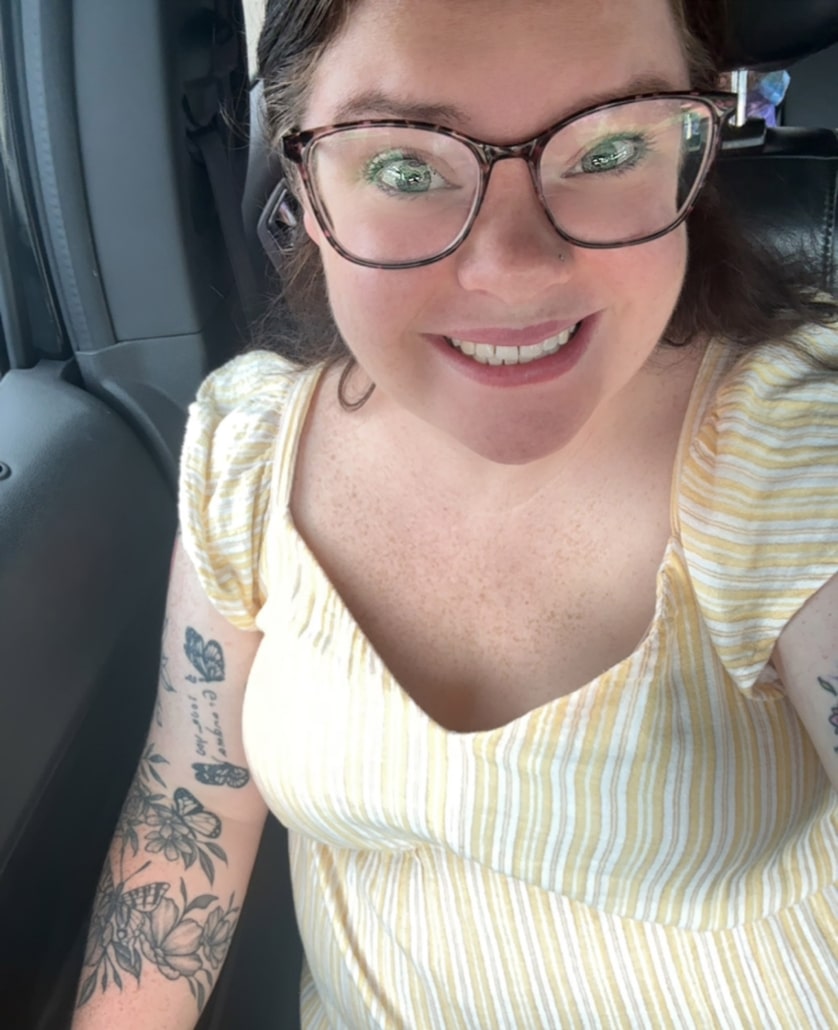
UOAA is excited to announce that the 2026 recipient of the Educational Award for Ostomy Nurse Certification is Heather Franklin from Kentucky!
Read more about Heather and her motivation to become a certified ostomy nurse.
I am incredibly honored and grateful to be the recipient of United Ostomy Associations of America’s Educational Award for Ostomy Nurse Certification. This scholarship means much more to me than an opportunity to further my education. It represents an opportunity to continue growing as a nurse and to bring specialized ostomy knowledge back to the rural community I am proud to serve.
I have been a registered nurse for eight years and currently work as a float nurse in a small rural hospital in Kentucky. Working in a rural hospital has given me the privilege of caring for people from many different backgrounds and walks of life. I have cared for patients in many areas of the hospital, including medical-surgical units, intensive care, mother-baby, and outpatient settings. Working as a float nurse has taught me to be adaptable, to continue learning, and to recognize the needs of patients across many different stages of their healthcare journey.
Early in my nursing career, I found myself especially drawn to wound care. I became interested in not only treating wounds, but also understanding why they developed, how we could help them heal, and how important patient education was to preventing complications. That interest eventually led me to pursue my wound care certification in 2025.
Becoming wound care certified was an important step for me, but it also opened my eyes to how closely wound care and ostomy care can intersect. I began to see even more clearly how much specialized knowledge can impact a patient’s recovery, confidence, and ability to care for themselves after leaving the hospital.
I believe caring for an ostomy patient means caring for the whole person.
Our community has also seen an increasing number of patients facing abdominal conditions, including cancer, bowel obstructions, and chronic gastrointestinal diseases. Many of these conditions ultimately require surgeries such as bowel resections, which can result in temporary or permanent ostomies.
For a patient who has never encountered an ostomy before, suddenly being told that they will leave the hospital with a stoma can be overwhelming. They are expected to learn how to empty and change their pouch, care for their skin, recognize complications, and adjust to an entirely new way of living—all while recovering from major surgery.
For someone living in a rural community, that education and support can become even more important once they leave the hospital. Resources may not always be readily available, and not every patient has easy access to a healthcare professional with specialized ostomy knowledge.
I have seen firsthand how much patients can benefit from having someone who is willing to slow down, listen, teach, and help them work through problems that may seem overwhelming at first.
One experience that has stayed with me involved an elderly, immobile patient who had a large, unconfined coccyx wound that extended to the bone. Our team had cared for him during multiple admissions, making repeated efforts to help the wound heal. Eventually, his family made the difficult decision to pursue a chronic Foley catheter and colostomy in hopes of giving the wound the best opportunity to heal. With continued care, including negative-pressure wound therapy, the wound was ultimately able to heal.
That experience reminded me that sometimes caring for a patient means looking beyond the immediate wound and considering the entire person and the circumstances affecting their ability to heal.
That is one of the reasons I want to continue my education in ostomy care.
Their (UOAA’s) investment in nurses is also an investment in every patient and family who will benefit from the knowledge we bring back to our communities.
My goal in becoming certified in ostomy care is not simply to add another certification to my name. I want to become a resource for my hospital and the community I serve. I want to help patients feel more prepared and confident before they leave the hospital, and I want to be someone they can turn to when questions or challenges arise.
I also hope to help the nurses around me feel more comfortable caring for patients with ostomies. In a rural hospital, we all wear many hats, and having additional knowledge and resources within our own community can make a meaningful difference in patient care.
Most importantly, I believe caring for an ostomy patient means caring for the whole person.
An ostomy affects much more than the body. It can affect a person’s confidence, independence, relationships, daily activities, and emotional and spiritual well-being. A new ostomy can change the way someone sees themselves and may leave them wondering what their life will look like moving forward.
Patients deserve someone who will listen to those fears without judgment, answer their questions honestly, and remind them that an ostomy does not define who they are or what their future can look like.
I hope to provide that kind of support.
My journey toward becoming an ostomy nurse is really an extension of the nurse I have been working to become throughout my career. My wound care certification gave me the opportunity to deepen my knowledge. This scholarship now gives me the opportunity to take that learning a step further and develop specialized skills in ostomy care.
Ultimately, I want to bring that knowledge back home.
I want to educate. I want to advocate. I want to support patients and families when they are facing something that may feel unfamiliar and frightening. And I want to help other nurses feel more confident caring for patients with ostomies.
I know I still have much to learn, and I am grateful for the opportunity to continue learning.
I am deeply grateful to United Ostomy Associations of America and to the donors who make this scholarship possible. Their investment in nurses is also an investment in every patient and family who will benefit from the knowledge we bring back to our communities.
I am honored to begin this next chapter of my nursing journey, and I hope that the knowledge I gain will allow me to make even a small difference in the lives of the patients and families I am so proud to serve.
Congratulations, Heather!
The next scholarship application will open in January 2027 and closes on June 30, 2027.
If you’d like to help UOAA continue this scholarship for years to come, please consider making a donation to the Ostomy Nurse Scholarship Fund online, please complete the Donate Form, and at the bottom under the ”Additional Comments” section, please note “Ostomy Nurse Scholarship Fund”. You can also send a check made payable to UOAA, in the memo line include the Fund name, and mail to PO Box 2293, Biddeford, ME 04005-2293.






Leave a Reply
Want to join the discussion?Feel free to contribute!