Tag Archive for: IBD

A long journey to an ostomy leads to a supportive community

I have suffered with digestive issues since I was a teen and the first symptoms I remember were back in high school.

I was a very shy, insecure young lady throughout high school and finding myself starting college, with growing concerns about my stomach, was very difficult for me. I started noticing urgency and stomach pains and when I moved into the dorms my symptoms got worse. Not only the stress of trying to fit in with so many new people, but for any of you that have eaten dorm food I’m sure you can understand why I struggled.

Fast forward four years, and I was getting married to the love of my life. He had just accepted that anywhere we went the first thing on the agenda was locating the bathrooms. After college we moved to a small town where I did not know anyone, I was a long distance away from my family for the first time and had a difficult time finding work. This is when I started to realize how much stress was impacting my abdominal pain. I began to blame the stomach pain on my anxiety and just accepted it as normal.

After we were married, we began to think about a family. More than anything I have always dreamed of being a mom. We tried for four years to get pregnant and the stress of constantly getting negative pregnancy tests really wore on me. We decided after many rounds of tests and exploratory surgery that we would try IVF. After a long process and the intense stress put on my body to prepare, IVF worked, and we were blessed with twins.

Unfortunately, this was the beginning of a new long and difficult road. I was considered a high-risk pregnancy from the start, and after all we had been through I felt like I was walking on eggshells through the pregnancy always afraid I was going to do something wrong.

I ended up being hospitalized at 20 weeks as my daughter’s sack was in the vaginal canal. I had a four week stay in the hospital where I was sewn shut and tilted onto my head to keep the babies in as long as possible. It was August and they weren’t due until January. The stress and fear for my children was overpowering.

Unfortunately, at 24 weeks my daughter decided she had waited long enough and pushed right through the stitches. They were born at 1lb 8 oz and 1lb 11oz. and the moment they were born they took them away into a special room because they were not breathing. When they moved us to the recovery room, we were told not to get our hopes up.

Two days after they were born, Megan had to be rushed to a new hospital because her lungs weren’t developed enough, and at 9 days old my son started spitting up green, they were only fed through a feeding tube at this point. I was terrified and did not know how they would do surgery on such a tiny baby.  I didn’t want to loose my little boy!
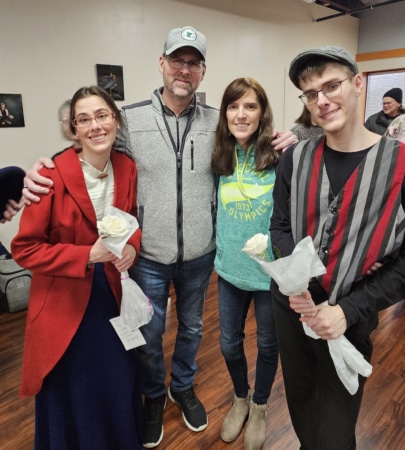
They went into surgery, and he came out with only 20% of his small intestine and an ileostomy. 80% of his small intestine did not form completely and was dead. This was our first experience with an ostomy, and it tore me apart knowing my baby needed this. Unfortunately, he continued to get weaker, and they had no choice but to reconnect him at 3 months as a last resort to save him. His sister had been sent home a couple weeks earlier and had been sharing a crib with her. He was sent home with a small chance of survival, but once he was reunited with his sister he began to thrive. He is now 26 and doing amazing!

When the twins were two years old my life was very stressful. I lost my dad to cancer and had a miscarriage in the same 24 hours. I was a daddy’s girl. He was there when I came into this world, and I was at his side when he left it. I miss him terribly to this day.

We were told there would be delays in their growth of our children for the first few years, but at the two year mark things seemed to suddenly slow down and after running further tests my babies were diagnosed with autism.

The loss of my father, a child, and the autism diagnosis seemed to push my stress levels even further and I started having horrible pains to the point where I couldn’t even stand up. Then the bleeding started.

I would have that urgency and when I reached the bathroom all I could get out was blood and it was horribly painful. I felt like I was being ripped apart from the inside out, and I could only sit and rock back and forth. It took everything I Had just to care for the twins and somehow fight through growing pain and bleeding.

I felt like “This is it, all the pain will be over soon”. At that point my husband and my best friend both begged me to get the surgery

I was finally diagnosed with ulcerative colitis. When my daughter was old enough to play with her dollhouse the mommy doll was always on the toilet. That made me so sad that she noticed my illness at such a young age even if she didn’t truly understand.

Throughout the years it would bounce between Crohn’s and Colitis. At one point they called it ulcerative Crohn’s. I was 29 when I was diagnosed, and at 41 years old I had my first hospitalization. Looking back, I should have been in the hospital a few times, but that would be accepting how serious things had become.

They mentioned removing my colon, but I am ashamed to admit I said I’d rather die. Somehow, I recovered enough to go home after a week despite still being weak and struggling.

After years of caring for my children I needed to work and was able to start a new job. This is where I was first exposed to a nutrition practitioner who helped me realize I had food sensitivities and supported me with good nutrition and whole food supplementation. I was beginning to flare and worried I would lose my job having to run to the bathroom so frequently at work, but they reassured me they were dedicated to helping me get my life back. It was overwhelming at first, but after 6 months I finally felt like I could live again.

I had many good years after that but still struggled with small bouts now and then. I had multiple back surgeries that seemed to cause flare ups, but I was able to recover each time. After 2020 I started having a horrible flare every year around the same time. At one point, trying to drive my son to work, I had to park and had diarrhea in the garbage in the back seat of the car. I couldn’t even get into the building.

At this point I was terrified to even leave the house and if I did, I became exhausted so quickly I could barely get anything done. I was afraid to eat so I was losing weight and becoming weaker by the day.

At 52 I was hospitalized with severe pain and bleeding again.  I felt as though I was being torn in half and this time it felt worse than usual.  I was in the hospital for the best part of two months. They would send me home and I would have to go back one to two days later in severe pain after my husband would push me to go. Deep inside I knew what they were going to tell me, and I fought to stay home trying to convince myself I could get over it on my own.

I walked into a room of smiling people there to support each other and they were very welcoming to newcomers.

On one of my final returns to the hospital they said I was unresponsive to the steroid infusions. By the time the surgeon talked to me I was under 90 pounds, but I still told him I did not want ostomy surgery. He was completely honest with me and said I either have surgery and because I was so weak already, I might not make it through. Without surgery I would not survive.

I cried so hard. I did not want this for my life.

The last time I was sent home before surgery I could not eat. I would try but the food would make me so sick I couldn’t bear putting anything in my mouth. It got so bad I couldn’t even get water down. I remember sitting on the toilet in pain and, all of a sudden, I just felt this feeling of peace and that everything was going to be ok.

I was going home.

I felt like “This is it, all the pain will be over soon”. At that point my husband and my best friend both begged me to get the surgery. It dawned on me that my poor husband had been trying to take care of me with a TBI and my twins had autism. My family still needed me.
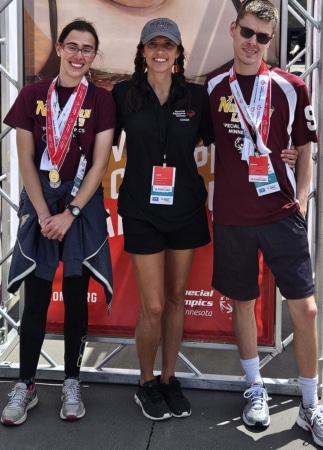
I went back into the hospital and was so weak they had to give me TPN for a week in the hope they could get me strong enough for surgery. I am blessed that I had a wonderful surgeon, and everything went as well as it could. Many people said when they woke from this kind of surgery, they immediately noticed the pain was gone. I had hoped I would wake up have that feeling, but I was still in so much pain. I felt so emotionally broken I couldn’t bring myself to look at my stoma for days after the surgery.

My husband, bless his heart, was right there from the moment I came out of surgery watching the nurses empty so he could learn how to help me. I cried through my first handful of bag changes. My bag was covering two open wounds, and it hurt so badly when they had to remove the adhesive barrier. I couldn’t stand it whenever they came in to change my pouch and remembered thinking there was no way I could live like this. I went home a week later and had home health care along with TPN IVs and steroids. I was hooked up to a large bag of fluid each night to try to get nutrients back into my body since eating was still a challenge.

I had to learn how to properly walk and move again from my muscles wasting away but slowly I became stronger over the next few months. After about a month of care I decided I didn’t want to be miserable, and I would embrace this. It was a mental turning point for me, and I started wanting to do all my bag changes myself and worked hard to recuperate.

At about 6 months I started to slowly exercise again and was looking for a support group. My experiences with online support groups at this point were frustrating. It seemed like a lot of negativity and not much support. I was doing research online to find support and information to life as positively as I could and I found UOAA’s website and a local support group.

Walking into this support group meeting, I was nervous that it would just be a bunch of people complaining but it was just the opposite.

I walked into a room of smiling people there to support each other and they were very welcoming to newcomers. After a few visits to this UOAA Affiliated Support Group, one member even volunteered to help with my workouts since there were risks to strengthening your core after surgery.

I was finally starting to feel confident in my new life, but once again, there was an unexpected turn in my recovery. 10 Months in, out of nowhere, I started feeling severe pain in my abdomen that I could not control. It came on suddenly, and when I started vomiting, I called my surgeon. He was concerned since I wasn’t that far out of my surgery and shouldn’t be having these issues, so he sent me to the ER.

I learned it is ok to have bad days as long as I don’t dwell in them and firmly embrace my good days.

After being admitted to the hospital for a blockage I was not responding to treatment the way I should have so I was scheduled for immediate surgery. My surgeon went in and found my small intestine had twisted and was turning purple. I am so blessed that he found it in time and was able to save what was left.

Unfortunately, I developed a reaction to the dissolvable stitches and had open wounds for over 3 months. These open wounds created challenges that kept my bag from adhering to my skin. Honestly this surgery affected me mentally more than my ostomy surgery. The scars and puckering from infection still mess with my head but I am learning to love my new body.

I recently attended the UOAA National Conference in Orlando and this was the best thing I could have done. My husband made a comment that that was the most confident he had seen me in a long time. I felt so much love and support there. I also met some amazing people who reinforced my mental and emotional recovery.

I learned it is ok to have bad days as long as I don’t dwell in them and firmly embrace my good days. I have been feeling a push to share my story to hopefully help and support others in the way I have through my journey. I look forward to finding ways to inspire others and make a difference in our community.

I have to say my quality of life has drastically improved. Don’t get me wrong, there are hard days and challenges, but I can face them without the pain and exhaustion that held me back for so many years.

I am still here for my family and can continue to help people with my career in Nutrition Response Testing. I can say I am truly grateful and blessed to have this ostomy and hope I can inspire others and help them along in their journey!
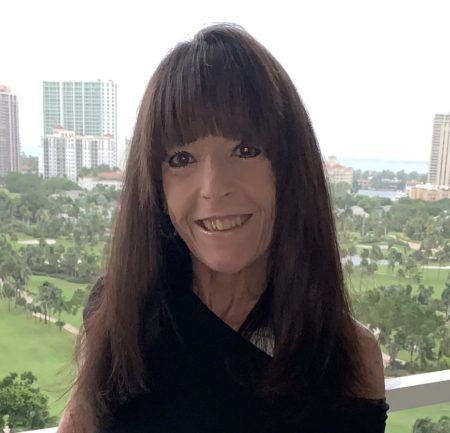
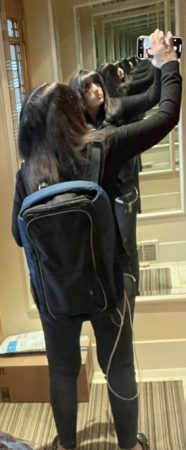
When you get an ostomy, most of the advice you’ll hear is practical. It comes in boxes and routines: bags and baseplates, barrier strips and rings. There’s talk of wear time and skin prep, of what to eat and when to empty. These logistics matter, of course; they’re a necessary first step after a major surgery. But beneath this adjustment is often another layer of healing, one that goes beyond the physical.

An ostomy doesn’t just change how your body works. It can also change how you feel inside. It can shift how you see your body, yourself, and your worth, affecting everything from what you wear, to where you go, to how close you let others get. Amid all this change, you might even start to wonder: How could I ever accept myself like this?

For many, life with an ostomy involves the ongoing work of making peace with your body—to meet it not with shame, but with patience, gentleness, and ultimately acceptance. It’s about rebuilding trust with a body that may suddenly feel unfamiliar and allowing that body to once again feel like home.

Body image after ostomy surgery

More than just how you look, body image is about comfort, confidence, and feeling like yourself. Ostomy surgery can profoundly disrupt that sense of self-connection.

A 2018 research review found that poor body image is one of the most common emotional challenges after ostomy surgery. Even when recovery is technically going well—when a WOCN nurse smiles and says, “You’re doing great”—you might hear a voice inside that replies, “Yeah, right,” as waves of self-consciousness or grief roll in.

For many, social stigma only adds weight. Harmful myths that say ostomies are dirty or shameful can take root internally. One study found that nearly half of people with permanent colostomies experience this kind of stigma, which can erode emotional well-being and self-worth.

Even when surrounded by love, you might find yourself hiding. The shirt once worn with pride might get folded away, replaced by oversized clothes chosen more for camouflage than comfort. You might avoid mirrors, not out of vanity, but out of grief for a body that once felt like yours. Intimacy may feel distant, shadowed by the fear of being seen, touched, or rejected.

In all of this, you’re not alone.

What factors shape body image after ostomy surgery?

Body image isn’t fixed; it’s shaped by your history, current circumstances, and how you emotionally process change. Several key factors can influence how someone adjusts:

1. Age and stage of life: Research shows that younger adults often experience greater body image distress after ostomy surgery. This is a time when identity, sexuality, and self-expression are still being shaped—when you’re still learning who you are and how you want to be seen.

In this context, everyday moments can take on new complexity. You may find yourself doing quiet check-ins throughout the day: Is the bag visible? Is it full? Is it leaking? These small, repeated considerations can influence how you move through the world, especially in a culture where bodies with ostomies are rarely represented.

2. Reason for surgery. The reason behind an ostomy may also impact how you adjust to life with it. Even with the same procedure, the emotional meaning is shaped by the life story it enters—and that story can be the lens through which the body is seen.

Research suggests that people who undergo ostomy surgery due to cancer, for instance, may report lower levels of body image distress. While an ostomy can be life-saving in many contexts, cancer survivors may be more likely to see it that way: as a visible mark of survival and strength.

For others, the emotional meaning may feel more complex. When surgery follows years of chronic illness, misdiagnosis, or medical trauma, for example, the experience can carry different associations. Perhaps it’s not triumph, but relief, fatigue, or even resignation. One study found that some participants with inflammatory bowel disease (IBD) viewed their stoma as an embarrassing complication of their condition—something tied more to shame than strength.

But meaning isn’t fixed. With time, support, and self-compassion, your relationship with your ostomy can evolve, no matter the reason behind it.

3. Temporary vs. permanent ostomy. Research also shows that temporary stomas can lead to greater body image distress. When your ostomy isn’t permanent, it can feel like you’re living in a body that doesn’t quite belong to you—just a version you’re passing through. This in-between state can create a kind of psychological limbo: it’s hard to fully grieve what’s been lost and hard to fully accept what is.

While permanent ostomies can bring their own grief, they may also bring a sense of clarity that limbo does not. When you know this is your body now, you may be better equipped to make peace with it.

What can help: Tips for navigating body image after ostomy surgery

1. Find the right ostomy products for you. It’s hard to feel at ease in your body when the products meant to support it don’t feel reliable. Worrying about leaks, irritation, or a poor fit can quietly wear on your confidence. But when your pouching system truly works for you, it can create space for deeper healing and acceptance.

If the medical look or rustling sound of your ostomy pouch makes you feel more self-conscious, know this: not all pouches are the same. Some are designed to move with your body, to bend and stretch as you do. Some fold into a smaller shape that tucks easily under clothes. Some come in colors like black or gray, offering an alternative to a medical beige. Pair these ostomy bags with supporting products like barrier strips and moldable rings, as needed, and you can find a system that fits both your ostomy and your life.

2. Remember what your body is for. After ostomy surgery—after the shock, the healing, and the slow return to everyday life—it’s easy to forget what your body is still doing for you.

It breathes without asking. It heals, even when you’re not watching. It adapts in ways you never expected, creating space for you to live the life you want. Your body allows you to laugh, cry, rest, move, connect, and wake up to a new day. Again and again, that is something worth honoring.

3. Focus on what lights you up. On tough body image days, it can help to shift your focus away from your body. Try asking:

  • What reminds me that I’m still me, despite all I’ve been through?
  • Who or what helps me feel seen beyond how I look?
  • What brings me joy, even for a moment?

Maybe it’s the warmth of your morning tea. A dog’s thumping tail when you pass through the door. A text that says, I get it.

These small lights matter. They can remind you that your life is bigger than managing a stoma, and that you’re here to live in ways that have nothing to do with appearance.

4. Let go of the timeline. Healing isn’t linear. There is no “right” time to feel okay in your body again. No checklist or countdown—just you, moving through it all in your own way, in your own time.

Some days might feel lighter, like body acceptance is just within reach. Other days may stir up discomfort or grief in places you thought had healed. That doesn’t mean you’re failing; it means you’re human. Release the pressure to arrive somewhere quickly and trust that just showing up for yourself is its own kind of progress.

Your body is still worthy after ostomy surgery

After ostomy surgery, your body is not broken. It is changed. It is not less worthy, just newly shaped.

You don’t have to love every part of it. You don’t have to feel grateful all the time. But your body, with its stoma and its pouch, is still here.

It’s still breathing. Still yours. And still deserving of care and peace.

References

Ayaz-Alkaya S. (2019). Overview of psychosocial problems in individuals with stoma: A review of literature. International wound journal16(1), 243–249. https://doi.org/10.1111/iwj.13018

Guo, L., Rohde, J., & Farraye, F. A. (2020). Stigma and disclosure in patients with inflammatory bowel disease. Inflammatory Bowel Diseases, 26(7), 1010–1016. https://doi.org/10.1093/ibd/izz260

Jayarajah, U., & Samarasekera, D. N. (2017). Psychological adaptation to alteration of body image among stoma patients: A descriptive study. Indian Journal of Psychological Medicine, 39(1), 63–68. https://doi.org/10.4103/0253-7176.198944

Mahjoubi, B., Mirzaei, R., Azizi, R., Jafarinia, M., & Zahedi-Shoolami, L. (2012). A cross-sectional survey of quality of life in colostomates: A report from Iran. Health and Quality of Life Outcomes, 10, 136. https://doi.org/10.1186/1477-7525-10-136

Simmons, K. L., Smith, J. A., Bobb, K. A., & Liles, L. L. (2007). Adjustment to colostomy: Stoma acceptance, stoma care self-efficacy and interpersonal relationships. Journal of Advanced Nursing, 60(6), 627–635. https://doi.org/10.1111/j.1365-2648.2007.04446.x

Yuan, J. M., Zhang, J. E., Zheng, M. C., & Bu, X. Q. (2018). Stigma and its influencing factors among Chinese patients with stoma. Psycho-Oncology, 27(6), 1565–1571. https://doi.org/10.1002/pon.4695

Coloplast develops products and services that make life easier for people with intimate healthcare needs. Working closely with the people who use our products, we create solutions that are sensitive to their special needs. Our business includes ostomy care, continence care, advanced wound care, interventional urology, and voice & respiratory care.

Follow Coloplast on InstagramFacebook, and YouTube, or visit us online at https://www.coloplast.us/

Editor’s note: This blog is from a UOAA digital sponsor, Coloplast. Sponsor support along with donations from readers like you help to maintain our website and the free trusted resources of UOAA, a 501(c)(3) nonprofit organization.

Having lived with Crohn’s disease for 43 years, and an ostomy for 35, Lori Plung had known it was possible she would go on to develop Short Bowel Syndrome (SBS). Eight years ago, following her fifth surgery, SBS and the need for intravenous nutrition (TPN) became a reality.

In recognition of Crohn’s and Colitis Awareness Week (1-7 December 2023), Lori generously shares some of her experiences, and the advice she’d give to anyone grappling with complexities of inflammatory bowel disease (IBD) who may be facing the possibility of developing SBS as a result of surgical procedures to treat their disease.

Learning to live with Crohn’s and an ostomy

When I was diagnosed with Crohn’s disease at 16 years old, the thought of having to have “a bag” was, quite frankly, terrifying. But at the age of 24, the disease overtook my entire being. I had debilitating pain, cramps, bloody diarrhea and urgency, and I was up multiple times a night – I often couldn’t leave my house for fear of an accident. I was too sick to eat and had no energy.

Eventually I needed an emergency proctocolectomy. My colon, rectum, and terminal ileum were removed, and replaced with a permanent ileostomy. I had been so sick before surgery that I was very weak, and recovery was incredibly hard.

But what surprised me most? The feeling of relief. I was free! As I recovered from the procedure, my pain and symptoms were gone. Suddenly, I could eat what I wanted, and I started feeling back to myself. My quality of life improved and my stoma became my new best friend.

Though I was grateful for this new lease on life, it came with challenges. The Crohn’s disease returned a year later in my small bowel, presenting as multiple strictures and obstructions. I was now navigating flares with an ostomy, often experiencing high output which required supplemental outpatient intravenous hydration, magnesium, and potassium to get my levels back to normal.

What is Short Bowel Syndrome?

Five more surgeries followed in the span of 32 years, with the intention of saving as much bowel as possible. I heard mumbles of avoiding “short gut”, but nobody sat down and explained what that meant. I wish I’d known more about it sooner.

Short gut, also known as Short Bowel Syndrome (SBS), occurs when your bowel doesn’t have enough length to absorb the nutrition and hydration your body needs on its own. In most cases, it happens as a result of major surgical resection of the small intestine, necessitated by conditions like Crohn’s and colitis. For a patient like me, with only 69cm of intestine remaining, intravenous nutrition and hydration support is needed to keep my body functioning properly. This is known as Total Parenteral Nutrition (TPN).

Coming to terms with a new normal

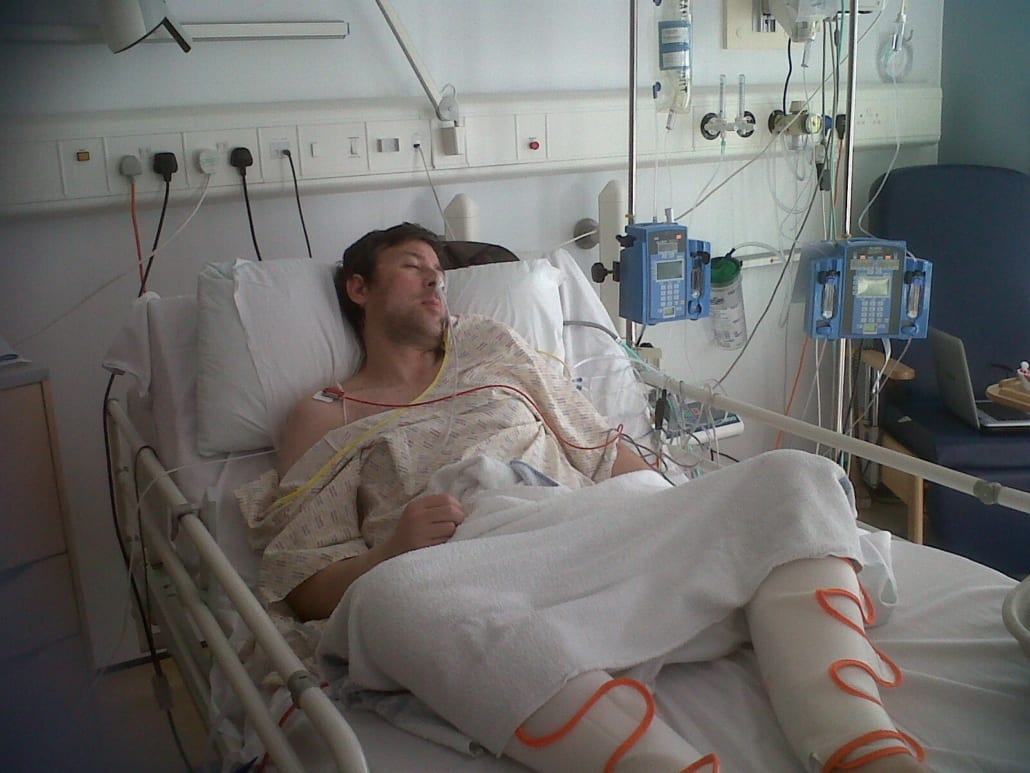
TPN nourishes my body with the nutrients it’s not capable of absorbing on its own. It’s delivered via a Hickman catheter in the upper left part of my chest, infusing through a pump stored in a backpack while I sleep.
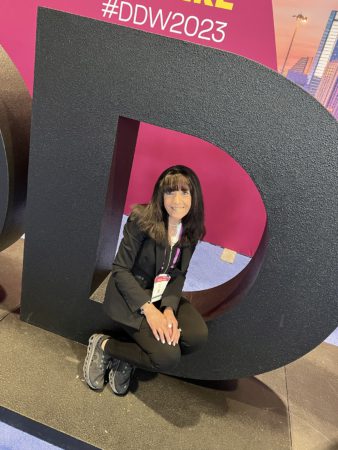
Coming to terms with that wasn’t easy for me. I’d been on TPN before surgery to increase my nutritional status, and I assumed I would be off it at some point during my recovery. But with the SBS diagnosis, that was unlikely to happen. I had a very hard time accepting the fact that I would have to live with a central line for the rest of my life.

Therapy has been invaluable in helping me learn how to cope and accept. I learned that I can dislike having to hook into my TPN each night, and at the same time, I can be grateful for it, and for the life it allows me to lead. These two truths can co-exist together – and that way of thinking has helped me to accept my new normal.

Goals

I’m also hopeful that I can reduce my reliance on TPN over time. For patients like me, the goal of SBS management is to increase valuable time off TPN through intestinal rehabilitation. This uses approaches including diet, medications, and surgery to help the remaining GI tract work better so that it can absorb more nutrients from eating. Not all SBS patients are the same, so it’s important to understand each individual’s needs and explore the best options.

It’s also crucial to have the support of a medical team that specializes in IBD and intestinal rehab. Since my SBS diagnosis, I was careful to choose a multidisciplinary team at an academic medical center that is part of the Gastroenterology Rehabilitation and Transplant Program. My physician is an IBD specialist and the director of the nutrition support program, and I’ve worked closely with a dietitian who specializes in treating patients with SBS. Their support has been life-changing.

Need to Know

Having spent over 40 years navigating the complex journey from Crohn’s to SBS, I am now an advocate for patients with inflammatory bowel disease. Here are some of the most important things I think patients should know when managing their own condition:

  • Preserving Bowel
    As a Crohn’s patient, it’s important to be aware of potential complications of surgery, and the possibility that losing large sections of small bowel can lead to SBS. Make sure to discuss this with your healthcare team before surgery, and wherever possible, look for ways of minimizing bowel loss.
  • Learn About SBS
    Being educated, and aware of the resources available to you, gives you the opportunity to have important discussions with your medical team and seek out the best possible care. You can access resources, support, and education through UOAA and other organizations such as the Oley Foundation, IFFGD, Transplant Unwrapped, The Crohn’s and Colitis Foundation, and The Short Bowel Syndrome Foundation
  • Find the Right Team
    Seek out a medical team with expertise in SBS and nutrition to offer you the right support throughout your journey. Ideally, this should be at a center that offers intestinal rehabilitation with a multidisciplinary team. If this isn’t possible, find out if your medical team is willing to consult with such a center.
  • Nutrition Matters
    Pay close attention to your diet. Some foods may lead to increased ostomy output or difficulties in digestion. Staying hydrated and making wise food choices are essential. Learn what works best for your specific condition and consult an ostomy nurse and an IBD/SBS dietitian for guidance.
  • Advocate for yourself
    Being comfortable advocating for yourself does not mean being confrontational. It’s about being heard, understood, and well cared for without feeling dismissed. Open communication with your healthcare team is important, especially when shared decision-making comes into play.
  • Resilience
    Day to day life with these diseases can be hard. Sometimes we have to take things day by day, hour by hour, and even minute by minute to get through the tough times. I believe that every patient is resilient. Sometimes, it’s buried, and we just need a bit of extra support to help it come to the surface.
  • Seek support
    Actively engage with your IBD community. Bowel diseases are very private and isolating, so being surrounded by others who understand firsthand what you are experiencing is very powerful. Family and friends can be supportive, but they can only empathize. Speaking with actual patients who have “been there, done that” is extremely helpful and comforting!
  • Be kind to yourself.
    Self-compassion and self-care are very important when living with the day-to-day challenges of these diseases. For example, fatigue is one of the biggest symptoms of IBD. Giving ourselves permission to rest can be hard for some of us – me included! That’s where self-care and self-compassion come in.
  • Be positive
    Lastly, it is absolutely and positively possible to live a very happy and productive life while living with conditions like Crohn’s disease and SBS.


[Article written by Lori Plung with support from UOAA digital sponsor, VectivBio.]

VectivBio is a global biotechnology company committed to improving the lives of people with short bowel syndrome, who rely on parenteral support (IV nutrition and/or IV hydration). VectivBio is part of Ironwood Pharmaceuticals Inc., a leading global gastrointestinal (GI) healthcare company on a mission to advance the treatment of GI diseases and redefine the standard of care for GI patients. To learn more, visit VectivBio.com.

My ulcerative colitis, IBD and ileostomy journeys have been a long road for sure! I spent most of my 30s trying every single pill, steroid, infusion, shot, diet, and remedy you could possibly fathom, all without relief. When the Mayo Clinic in Rochester, MN suggested that I undergo ileostomy surgery, I knew I was ready. After a decade of suffering, I was reborn on December 7th, 2015, following a permanent and total proctocolectomy with ileostomy.

My advice for others diagnosed with IBD and/or contemplating ostomy surgery, would be for them to ask ALL the questions; especially of your medical team. I was young and naive when first diagnosed with ulcerative colitis. Upon initial diagnosis, I didn’t think it was that serious. I didn’t believe I was sick, and all I wanted to do was get well and get back to racing triathlon. I took any and every medication doctors gave me, and I never questioned any of it. I never asked for a different way. I never thought that 10 years later, all the medications would stop working or not work at all. If I could do it over, I would find a doctor who was highly experienced with IBD patients.

If I could let people know something about IBD, it would be that I am a living, breathing example of invisible illness. I never looked sick. Even when sick, I continued my competitive triathlon racing. Don’t judge a book by its cover. My sport was my outlet; something I could control while my body continually failed me. Everything happens in your mind. With a positive outlook and a great attitude, everything is possible!

For many years, sick was my new normal. I was not living life; I was just surviving life with UC. Now, as an ostomate, I can say with 100% certainty that I am free. When I made the decision to have surgery, I decided I would advocate to show the world what people living with an ostomy can do. And you know what? There isn’t anything someone living with an ostomy CAN’T do!

Read more: https://meplus.convatec.com/articles/meet-lee-ann-watanabe/


Editor’s note: This blog is from one of our digital sponsors, Convatec. Sponsor support along with donations from readers like you help to maintain our website and the free trusted resources of UOAA, a 501(c)(3) nonprofit organization.


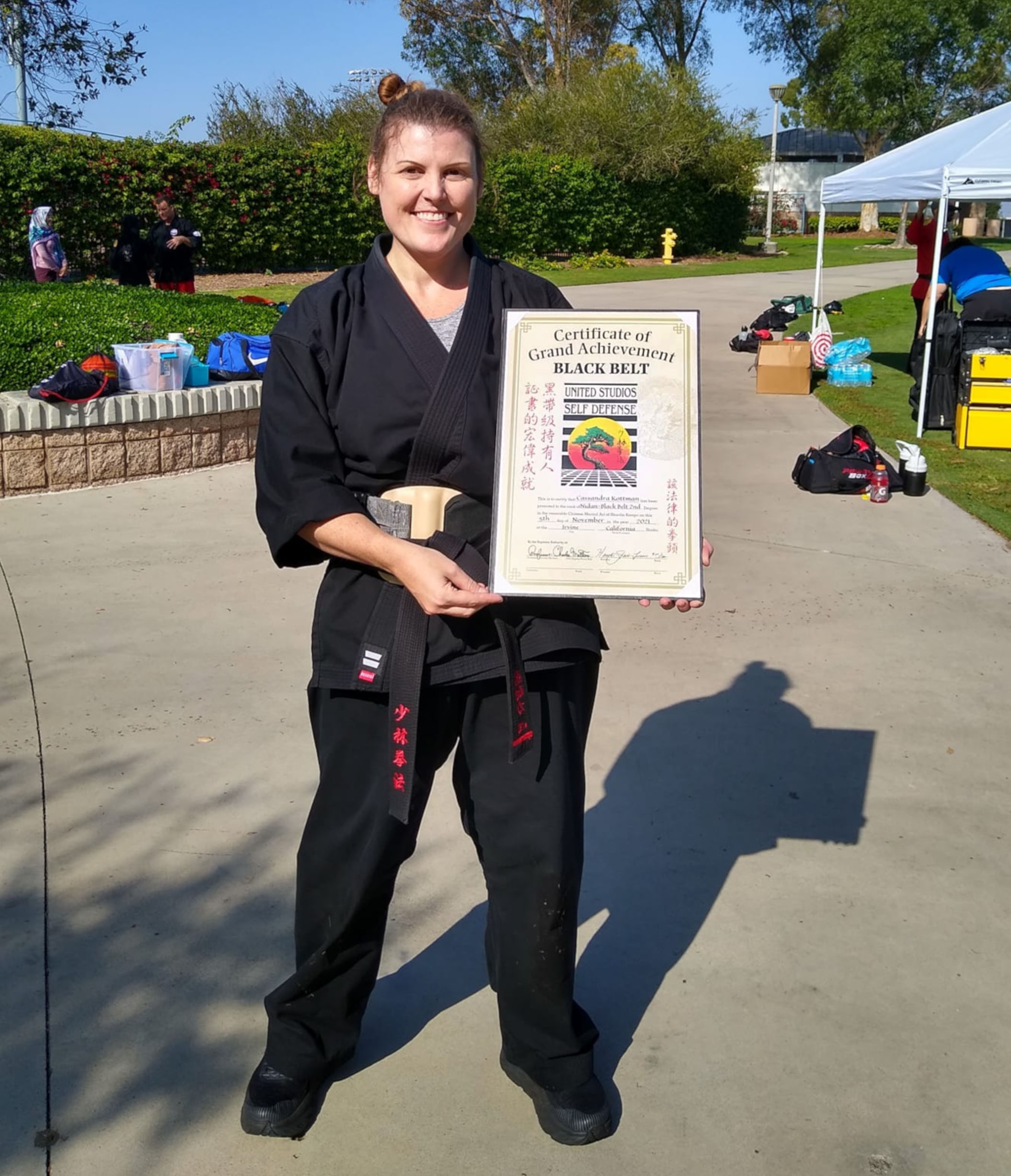
Cassandra Kottman’s Story


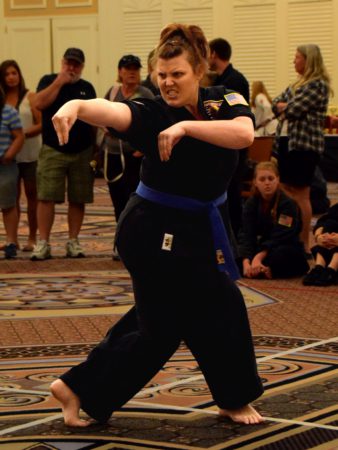
Kottman earning her 2nd degree blackbelt after a recent all-day test.

I started Shaolin Kempo Karate back in 2012. I had trained in Shotokan Karate in high school and really wanted to get back into martial arts. I’ve struggled with ulcerative colitis since I was 12 and staying active always seemed to help. My UC was still severe and I was in and out of the hospital quite often, so training was still a struggle. Eventually, my colon ruptured in 2016, and I was rushed to the ER and had to have an emergency colectomy. I was in pretty bad shape, and almost didn’t make it, even after the procedure. I was bedridden for about 9-months and on TPN for almost half of that dealing with the symptoms of pancreatitis.

I slowly got back on my feet. The whole time nurses were telling me that I wasn’t going to be able to live a normal life, and that I couldn’t do martial arts or many other kinds of activities. It was a very depressing time. Fortunately, I thought to ask my surgeon what kind of limitations I was going to have. She was so positive and let me know of another one of her patients who was a professional water skier, and the precautions he took to get back into his sport. That same day I went and ordered an ostomy guard, foam to make a belly pad, and texted my karate instructor to let him know I was coming back in.

My first class was absolutely horrible. All my muscles had atrophied. I did 3 stationary “jumping jacks.” Basically, I lifted my arms over my head three times and that was all I could manage. I almost passed out and ended up laying on the floor watching everyone else for the rest of class. I kept going back and pushed myself a little more every week. It took a good year and a half to get back to “normal.”

Because of the trauma I had gone through and my passion to continue training, I was inducted into the U.S. Martial Arts Hall of Fame as 2017’s Woman of the Year. Happy to say I am the first ostomate to ever be inducted. It’s a little weird to say, but I actually inspired myself, knowing everything I had gone through, and that I pushed myself to be my best. So, I continued to push my training to where I was able to train 3-4 hours 5 times a week. In 2018, I was invited to perform for the Abbot and test for my black belt at the Shaolin Temple in Dengfeng, China, which was a tremendous honor.
So, on November 6th, I took the test. Six intense hours of high-intensity drills, sparring and defense maneuvers against fists, knives, and clubs. I could barely move the next day, but it was all worth it because I passed. It really is a good feeling, and I’ve impressed myself with how hard I can push myself.

I still deal with day-to-day issues like hydration, or general fatigue, but overall, everything is manageable. If I have learned anything it’s that you need to listen to your body, and if there is something you really want to do, you can find a way to make it happen. It might not be the way everyone else is doing it, but all that matters is that it works for you.

Michael Seres started 11 Health as a direct result of his experiences as an ostomate. He had suffered with Crohn’s disease for over 30 years and after a small bowel transplant, he needed an ostomy. He felt alone and powerless. The bags were hard for him to get used to and they did not help to manage his condition – they just collected output. He started blogging and tweeting about his journey and found tens of thousands of patients who felt the same way but were too anxious or disempowered to do anything about it. Michael made a commitment that he would devote his life to making a difference for these patients.

Despite his health struggles, which included fighting and beating cancer multiple times, he found the strength to start a healthcare company that shares his single-minded focus of helping patients, and in particular ostomates. The company is called 11 Health as Michael was the 11th person in the UK to have had the pioneering transplant procedure. Only a few of the 10 that went before him survived the procedure. Michael did not just survive, he thrived and accomplished so much in his short life.

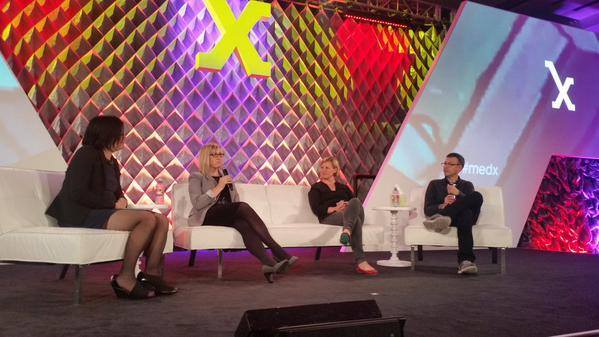
Advocacy was always a part of Michael’s life. He always found time to prioritize it amidst the challenges of running an international business and managing his health. In his talk at Stanford Medicine X in 2017, he talked about a revolutionary idea of using social media for doctor-patient communications. Michael believed that patients were the most underutilized resource in healthcare and he spoke beautifully about it in his famous TEDx Talk in 2018. The need for the patient to be at the center of patient care ran through his core. He felt that patients should not be passive end users. Instead, patients should be engaged in medical decision making and empowered by education and self-care tools. Michael’s reach was spread wide and he advocated for patients to the leadership of Google and even on a panel alongside Bill Clinton.

We lost Michael last year. Whilst our hearts are still filled with sadness, we are more determined than ever to deliver his vision of changing healthcare and making it patient centric.  He believed passionately in the ‘everyone included’ philosophy. A movement for change supported by doctors, nurses, policy makers but most importantly, patients. Making that change will be Michael’s legacy.

We are creating a special birthday Gutsy Gathering on March 23 from 3-7pm EST in Michael’s memory. It will not be a day to mourn. It will be a day to celebrate the achievements of an extraordinary man by inviting some equally extraordinary people to talk about their personal or professional involvement in the patient experience. Sessions will focus on themes relating to advocacy, confidence, community, and change.

The Michael Seres birthday Gutsy Gathering will be an annual event and an opportunity for friends to meet in a face-to-face setting. This year it will be virtual, with speakers joining us from around the world from across the ‘everyone included’ spectrum. The live sessions will run from 3-7pm EST and participants can come and go as their schedules allow. The event is free, and registration is required at www.gutsygathering.com. Our esteemed list of speakers continues to grow and can be found on the registration page. Please join us!


Editor’s note: This article is from one of our digital sponsors, 11 Health. Sponsor support along with donations from readers like you help to maintain our website and the free trusted resources of UOAA, a 501(c)(3) nonprofit organization.

Embracing Ostomy Advocacy and Giving Back


By Angie Davenport

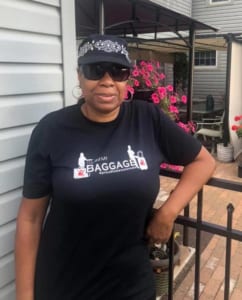
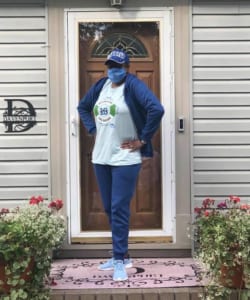
I’ve had my ileostomy for 38 years due to ulcerative colitis but I only recently went public to encourage other ostomates.  Over the years I’ve helped many individuals by word of mouth while keeping my ileostomy private to the outside world. I have always wanted to be a blessing on a wider scope though to others with ostomies.

I was first diagnosed with ulcerative colitis in 1980 when I was three months pregnant.  At first, I thought it was pregnancy symptoms.  After a major episode, I was treated with medication for ulcerative colitis.  My son, James was born a few weeks early due to complications.

After the birth of my son in March of 1981, everything was under control and I eventually relocated from Warren, Ohio to Atlanta, Georgia.  While living in Atlanta I had a major setback with ulcerative colitis and I had to fly back to Ohio immediately and went directly to the hospital.

After several weeks of treatments in the hospital, my doctor came into my hospital room one night and said we have to do surgery or you won’t make it 24 hours.  I’ll never forget my mom crying and praying for God to give her my disease so I could have a normal life.

When I received my permanent ileostomy in March of 1982 I was a young 23-year-old single mom.  It was the day before my son’s first birthday.  I had never heard of an ostomy.  When I woke up in ICU I was devastated, ashamed and frightened.  I thought my life was over.

Once I became strong enough physically and mentally I moved back to Atlanta.  I was still feeling ashamed and frustrated until my physician in Georgia recommended I attend the local United Ostomy Association (the precursor to UOAA) support group.

While living in Atlanta I became very involved with the UOA group and completed the visitor training program.  I enjoyed visiting new ostomates at the hospital. I felt the freedom to be involved because no one really knew me in Atlanta. I remained active until I relocated back to Ohio in 1985.  That same year I married my high school sweetheart and we will celebrate 36 years of marriage in November.

Although I was very private about my ostomy I was very successful in my career. I became the first African American female officer at our local bank and functioned in several positions without the exposure of my ileostomy.  After the downsizing of my employer, I later worked 10 years at Great Lake Cheese until retiring in 2016.

What is my purpose in life?  How can I make my mom proud?

I’ve enjoyed my life as an ostomate.  I love traveling, cruising and shopping.  I was known in the business community as a person that loved to dress. I taught Dress for Success at the bank for all new tellers.

The past few years were filled with so much grief, with the most current being the death of my mom on July 4th 2019, only three days after my 60th birthday.  I was feeling the deep void of losing a brother and both parents within 4 years, depression was setting in.  I had support but I felt helpless and lost.  What is my purpose in life?  How can I make my mom proud?

Most will remember 2020 as a horrific year with so much sickness, death and devastation from a deadly pandemic.  For me, I utilized the time to seriously seek God for a purpose in my life and being quarantined turned out to be a blessing in helping me find my purpose.

I knew my testimony would bring awareness and hope to so many people.

I became more involved via social media with other ostomates.  I’ve met some wonderful friends and it became rewarding to encourage others that had shared similar experiences as me.  My heart was really saddened when I read an article about a young man that had gone to court for the right to die because he didn’t want to live with an ostomy.  I wept.  Also seeing how some individuals can’t afford the basic ostomy supplies and had to use grocery store bags and tape to secure their ostomy bags was heartbreaking.  I knew then, that there was so much more I could do for the ostomy community.  I knew my testimony would bring awareness and hope to so many people.

As a member of Jearlean Taylor’s Ostomy Stylzz Facebook Group I participated in a virtual fashion show.  She is a personal inspiration to me and that show boosted my confidence to a much greater level.  I felt a relief to go public.  I chose August 14th, 2020 to go live on Facebook and share my story.  I felt such freedom once I finished.  There were family members, coworkers, church and community friends that responded and supported me in disbelief.  For the past 38 years, they never knew I had an ostomy.

One family friend messaged me and told me that he was scheduled for surgery but has canceled many times, but because of my video he felt he could now go through it.  I still check on him to make sure he’s not having any problems.  That made going public all worth it.  But what else could I do?

I decided to participate in the Run for Resilience Ostomy 5K.  I registered over 20 walkers to participate virtually in several cities and I exceeded my fundraising goal by almost 100%.  The highlight of the day was my local mayor stopping by to present me with a proclamation from the City of Warren in support of ostomy awareness. Our local newspaper also highlighted the event.

…because of my video he felt he could now go through it.

After posting my Ostomy Awareness Day photos and story on Facebook I was contacted by so many family and friends willing to support me in the future.

With the pandemic still active, I’ve been limited in getting out in the public but I do try to make an effort to encourage other ostomates daily.  I’ve connected with my local Affiliated Support Group leader and I’m looking forward to greater things once we can meet publicly.

On, March 6, 2021 I will be a 39-year ostomate.

I’m on Facebook and I have a Youtube video discussing my ostomy journey.

I’m free, living with my ostomy!


By Ellyn Mantell

Setting the scene for you, imagine the patient who has controlled ulcerative colitis or Crohn’s Disease, or diverticulitis and is suddenly terribly symptomatic with infection and unremitting agonizing pain. Or consider the patient who has an accident in the intestinal region of their body. Or the patient who hears the news following a colonoscopy that there is colorectal cancer. Or the patient, like me, whose motility issues have made it impossible for the bowel to function. All of these scenarios are happening every day, all day, in hospitals and households and they all may very well lead to either a colostomy or ileostomy. (I believe a urostomy is always a permanent surgery)

Frequently, depending upon the physicality of the ostomy, a reversal in a matter of six months to a year is either discussed or promised to the patient. It is usually explained that for the connection to heal, it requires that time, and once healed, the reversal is smooth sailing. Except, in many cases, it is not, and that is what I want to bring to your attention, based on the people with whom I have spoken. Please remember, I am not a medical professional, but I interface closely with many patients in many situations, so I speak from my observations.

Sometimes, during those 6-12 months, the sphincter muscles of the rectum stop fully functioning, and the patient may be tied to the bathroom as never before. Or the connection is narrow and there may begin a pattern of bowel obstructions due to the backup of stool. Other times, the surgeon had good intentions for a reversal, but the patient is simply not a good candidate due to illness or stepping out of remission of some disease process.

The reason I am writing this graphic and perhaps uncomfortable blog for many to read is that an ostomy can happen to anyone for a variety of reasons. UOAA estimates there are 725,000 to one million of us in the United States who have ostomy or continent diversion surgery. I want to educate all ostomates that making peace with their new anatomy may be safer and provide a more predictable future than hopes for a reversal. I believe and have heard from others who give ostomy support that those who know they will be an ostomate for the rest of their life tend to be more open to embracing their new body, physically and emotionally. Those who have been given (false, in some cases) hope for a reversal are frequently disappointed and angry, feel betrayed and lose faith they will ever be “normal” again.

Support Groups are a wonderful way to begin to think of the new normal. It is so beneficial to meet like people, learn about appliances, clothing, foods, sleep, intimacy, maintaining health and to simply share experiences. If you cannot find one in your area, contact the United Ostomy Association of America or your local hospital. Take a family member, caregiver or friend if it gives you comfort. I guarantee you will feel empowered by taking this step, whether you are having a reversal in your future, or are embracing your ostomy for life.

Ellyn Mantell is a UOAA advocate and Affiliated Support Group leader from New Jersey. You can follow her personal blog at morethanmyostomy


You are not alone, A Community of Support is Here to Help

By Ellyn Mantell

Upon returning from a day of errands, my hands full of packages and bags of food, the phone rings, and it is a familiar call. It is from a woman who is fighting tears (this I recognize from the many calls I receive) and immediately, bags and packages left on the floor, I go into SUPPORT mode. I imagine this lady has used every bit of determination and perhaps energy she has to call a total stranger to discuss the most intimate details of her health and anatomy. She needs my full and undivided attention, because if I am remiss in that area, she may never reach out for help again. Before we even move past the pleasantries of conversation (hello, how are you?) I know she has been through so much. She will tell me the details, and each survivor is unique, but I already know she is scared, suffering and feeling terribly alone.

This lady tells me she is extremely disappointed because she just discovered that her colostomy, which resulted from the loss of some of her colon, will not be reversed, as she had hoped. It is too dangerous, and her ulcerative colitis is rearing its ugly head. Instead of the reversal, she needs her colon and rectum removed, and will, therefore, have an ileostomy. It has taken her a year, she tells me, to accept what she thought was a temporary colostomy, and now she will need a permanent ileostomy. Not only is her head spinning, but she is feeling like she has lost total control of her life.

These are feelings we all have, and my heart is right there with her as she laments the loss of yet another part of her body. Looking ahead to at least another major surgery, we discuss the fact that she is in mourning and grieving, and then her tears began to flow. I tell her to please cry, sob, let out her feelings, whatever they may be, I am up to the task of listening and comforting. After all, I have had 23 major abdominal surgeries…I have had my share of tears and need for comfort.

We end the phone call with each of us making a promise: she will attend our next Ostomy Support Group at Overlook Medical Center in Summit, New Jersey, and I will be there to listen to her fears and concerns as long as she is in need of sharing them. I told her I wear a flower at each of the Support Group meetings I lead, because I have had so many sent to me over the years and that it is a great way of identifying myself to new members. Flowers always bring a smile to others. She will find me the day of the meeting, because I will be waiting in the foyer to bring her in, make her feel comfortable, introduce her to many like herself, and show her how special she is for reaching out and asking for SUPPORT!

Reach Out to a UOAA Affiliated Support Group near you and learn more about the emotional impact of ostomy surgery.

Ellyn Mantell is a UOAA advocate and Affiliated Support Group leader from New Jersey. You can follow her personal blog at morethanmyostomy


Tag Archive for: IBD

Nothing Found

Sorry, no posts matched your criteria