United Ostomy Associations of America
  • HOME
  • OSTOMY INFORMATION
    • Ostomy Information
      • What Is An Ostomy?
      • Living with an Ostomy: FAQs
      • Diet + Nutrition
      • Ostomy Skin Care
      • Sexuality
      • Bill Of Rights
      • New Ostomy Patient Guide
    • My Ostomy
      • Ileostomy
      • Colostomy
      • Urostomy
      • J-Pouch
      • Continent Diversions + Other Ostomy Types
      • Temporary Ostomy
      • Short Bowel Syndrome
      • Español
    • Children to Young Adults with Ostomies
      • Infant/Toddler (0-3 Years)
      • Preschool (3-5 Years)
      • Elementary School (6-9 Years)
      • Pre-Adolescent (10-13 Years)
      • Adolescent (14-18 Years)
      • Young Adult (18-25 Years)
      • Parents & Clinicians Resources
      • Know Your Rights
      • What To Expect After Surgery
      • Odor Control
      • Fast Facts
      • Ostomy Game
    • Crohn’s Disease & Ulcerative Colitis Information
      • Defining, Caring and Treating
      • Preparing for Ostomy Surgery
      • Common Issues, Managing Diet, Mental Health
      • Intimacy, Fertility and Pregnancy
      • Resources
    • General Information
      • UOAA Ostomy Marketplace
      • Product + Supply Information
      • UOAA Resources Library
      • Resources for Nurses/Home Health
      • Travel Tips + TSA
      • Donate Your Ostomy Supplies
      • Emergency Supplies
      • Related Links
      • UOAA Virtual Ostomy Clinic
      • Outpatient Ostomy Services Locator
  • SUPPORT
      • discussion
        Ostomy 101:
        Easily communicate “What is an ostomy?" with our infographic.

        Read More

    • Find Support
      • Support Group Finder
      • Support Group Websites
      • UOAA Virtual Ostomy Clinic
      • Online Peer and Ostomy Support Programs
      • Outpatient Ostomy Services Locator
      • Find a Mental Health Provider
      • Find an Ostomy Nurse
      • Online Discussion Board
      • Apps for Ostomates
      • Emotional Concerns
    • Connect With Us
      • Start/Affiliate Your Group With UOAA
      • Resources For ASGs
      • National Membership
      • Sign Up for Our E-Newsletter
    • Participate
      • Attend An Event
      • Become An Advocate
      • Join Us for a Conference
      • Make A Donation
      • Become a Member of The Phoenix Society
      • Donate Your Ostomy Supplies
      • Take A Survey
  • ADVOCACY
      • portal
        Roadmap to Establishing Outpatient Ostomy Services
        Documents that are available as PDFs to download and print.

        Read More

    • About
      • Advocacy Program
      • Advocacy Priorities
      • 10 Questions to Help You Speak Up and Self-Advocate
    • Get Involved
      • Understanding the Medicare Competitive Bidding Program 2025 Ruling
      • Take Action
      • Join Advocacy Network
      • How to Be An Ostomy Champion
      • Ostomy Awareness Day
      • Roadmap to Establishing Outpatient Ostomy Services
    • Tools and Resources Library
      • Non-Medical Switching Resources
      • Ostomy and Continent Diversion Patient Bill of Rights
      • Restroom Access Self-Advocacy Tools
      • Travel Tips + TSA Communication Card
      • Swimming with an Ostomy
      • Mythbusters Infographic
      • Workplace Resources
      • Aging with an Ostomy or CD
    • Take Control of your Healthcare
      • UOAA Virtual Ostomy Clinic
      • Know Your Ostomy Checklist
      • Know Your Ostomy Supplies Checklist
      • Physician Visit Checklist
      • Know Your Health Care Insurance
      • Know Your Pouching System
      • Know What’s in Your Medical Record
  • WHO WE ARE
      • Have a Question for Us?
        UOAA is a 501(c)(3) nonprofit organization that supports, empowers, and advocates for people who have had or who will have ostomy or continent diversion surgery.

        Contact Us

    • About Us
      • Our Mission + History
      • Our Leaders
      • National Sponsors + Partners
      • National Membership
      • Contact Us
    • How We Help
      • Advocacy
      • Awareness
      • Support
      • National Conference
      • Ostomy Nurse Scholarship
    • Get Involved
      • Volunteer
      • Become A Leader
      • Join A Committee
      • Career Opportunities
      • Sign Up for Our E-Newsletter
  • LATEST
  • EVENTS
    • Ostomy Awareness Day
    • Run For Resilience 5K
    • Ostomy Academy
    • Educational Webinars
    • 2025 National Conference
    • Calendar
  • GIVE NOW
  • SEARCH
  • Menu Menu

Tag Archive for: blockage

Holiday Eating with an Ostomy

Colostomy, Ileostomy, Nutrition, Ostomy Tips, Urostomy

By Robin Glover

Oh, the holidays! When cookies, cakes, and delicious pies suddenly appear everywhere, beckoning you to indulge in their sugary goodness. Don’t forget about those casseroles and their incredible aromas billowing from underneath a melted cheese topping. And those nuts — salty little kernels of flavor often found hiding among the decadently seasoned pretzels and cereal in everyone’s favorite snack mix.

The holidays are delicious, and food and drink are some of the many traditions friends and families have shared for generations. But, for people with an ostomy, eating and drinking around the holidays isn’t just a matter of likes and dislikes. Depending on the individual, certain things should be avoided while others can be enjoyed with no issues. The following is a guide to holiday eating (and drinking) with an ostomy.

It’s important to remember that these are general guidelines. Everyone is different, and each person experiences food differently. Consult with your physician or a registered dietician to know what’s best for you.

That being said, there’s no reason your ostomy, whether a colostomy, ileostomy, or urostomy, should hold you back from enjoying many, if not most, of your favorite holiday treats.

Maintain a Balanced Diet

Even during the holidays, maintaining a balanced diet is vital. No matter how good those sweets look, keep in mind that excess sugar and high-fat content can cause diarrhea, leading to the malabsorption of nutrients, leaving you feeling tired, irritable, and not in the holiday spirit. That doesn’t mean you need to deprive yourself, though. Just choose wisely.
For those with a urostomy, choosing non-citrus foods high in Vitamin C can lower the risk of infections. Examples of these include cranberries, broccoli, potatoes, strawberries, and leafy vegetables.

Chew Your Food Thoroughly

And while you’re at it, chews wisely too. For those with an ileostomy or short bowel, this is especially important. Both of these reduce the time your body has to digest the food you eat. Chewing your food a little extra can go a long way in helping your body get the nutrients it needs.

Eat Small Meals

Don’t forget to take breaks throughout the day to have a small meal or nutritious snack, even while you’re busy wrapping presents, decorating, and socializing. Eating several small meals is more beneficial than waiting to eat one large meal at the end of the day. An empty stomach can also be a source of gas.

Focus On Hydration

With all the hustle and bustle of the holidays, it’s easy to forget about the need to stay hydrated. That’s why it’s even more important to focus on good hydration during the holiday season. This includes drinking plenty of water while trying to limit drinks with added sugars, artificial colors or sweeteners, caffeine, or alcohol. Aim for 8-10 glasses of water a day.

Water alone won’t do it, though. Your body needs electrolytes, too. Sports drinks are a good source for this. However, you should dilute them with water to lower the sugar concentration. Electrolyte drops are also a good solution.

Low electrolyte levels can lead to many undesirable effects, including fatigue, irritability, and nausea. These symptoms only get worse the more dehydrated you get. So drink up!

If you have a urostomy, it’s crucial to drink plenty of water to avoid possible urinary tract infections (UTIs). And, since it’s recommended to consume plenty of Vitamin C, enjoy some holiday apple cider too!

Depending on the individual, certain things should be avoided while others can be enjoyed with no issues.

Ask About Ingredients

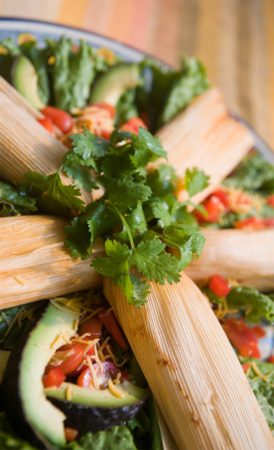
Things like casseroles, dips, cultural specialties, and cakes can often include ingredients you might not notice right away. During the holiday season, nuts can often be the biggest culprits and can cause discomfort or even a dangerous blockage for those with an ileostomy and to a lesser extend a colostomy. Other foods to be careful of are corn, if not fully ground in dishes like tamales, and dried fruits. Skip over foods, as tempting as they may be, that may include any of your trigger foods. Don’t worry; it’s ok to ask. Many people avoid certain foods for all kinds of reasons.

Know Your Safe Foods

 If you want to play it safe this holiday season, then stick to foods you know your body handles well. Consider keeping a food journal to help you keep track for next year. If you’ve recently had surgery for a colostomy or ileostomy, keep in mind these foods to avoid, but know that through trial and error you should soon feel more confident you’ll be able to enjoy most all of your holiday favorites.


Please read UOAA’s Eating With An Ostomy guide for more comprehensive information.


Robin Glover is a writer based in the Houston area. He has a permanent ostomy after being diagnosed with Crohn’s Disease in 2017.

December 16, 2021
https://www.ostomy.org/wp-content/uploads/2021/12/Holiday-feast.jpg 563 1000 Contributor https://www.ostomy.org/wp-content/uploads/2017/02/UOAAlogofinal2.png Contributor2021-12-16 14:29:382021-12-16 15:29:43Holiday Eating with an Ostomy

Diverting Diverticulitis

Colostomy, Diverticulitis, Ileostomy, Nutrition

By Ellyn Mantell

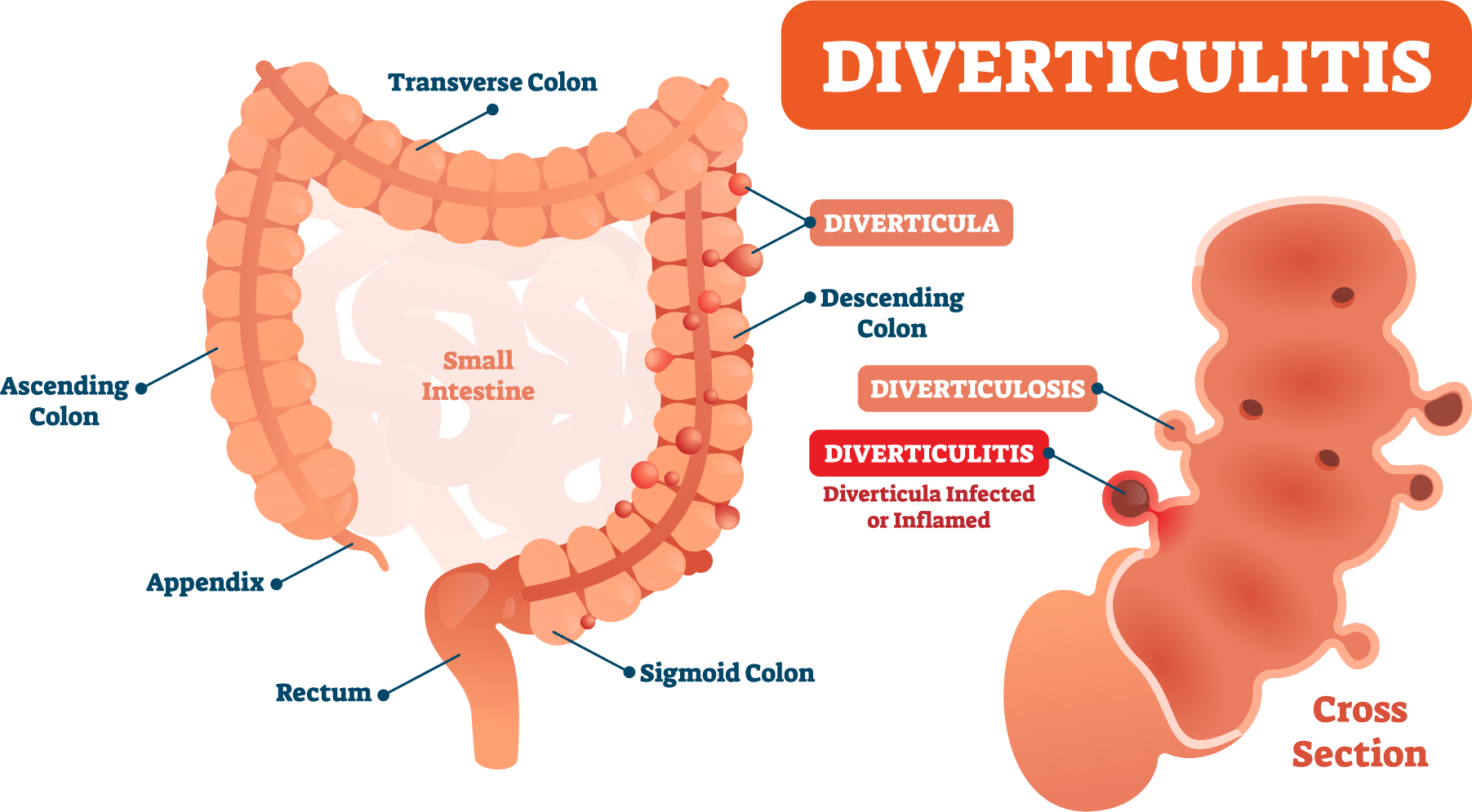
From the time I can remember, constipation was always an issue for me. I assumed I was doing something wrong to cause it. It turns out that I was born, like so many, with a redundant foot of bowel, which in layman’s terms, means that my colon was not only oversized, but a portion of it went in the wrong direction. Here is what I mean…the colon or large intestine ascends on the right side (ascending colon) and goes across the abdomen (the transverse colon) and descends the left side (the descending colon.) That is exactly the path that stool takes in its journey to leave the body. My redundant foot of bowel meant that the transverse colon actually went up at the connection to the descending colon, for a foot, before heading downward, so stool had to travel against gravity before leaving my body.

My first barium enema was when I was 10 years-old, and although we didn’t know what the problem was, I was always told at that time, and every subsequent test, that my sluggish bowel would be an issue for me, (and it truly was, until my ileostomy 6 years ago). So, it came as no surprise that I was also told, each colonoscopy or c-t scan, that I had severe diverticulosis, which could become diverticulitis, a problem that often requires medical intervention.

The diverticula are small sacs that form along the mucosal lining of the colon, often due to straining to move stool through the intestinal tract, which puts pressure on the intestinal wall (which causes the bulging). This issue can worsen with age, medications and other causes of constipation. If the diverticula are inflamed or rupture, serious infection can result, which then is called diverticulitis.

While diverticulosis doesn’t cause discomfort, diverticulitis can be terribly painful, cause fever, constipation or diarrhea, nausea and fatigue. Several in our Ostomy Support Group have had resections of their colon and ostomies due to diverticulitis. Some choose to be reversed after the several weeks of healing necessary to allow the connection in the intestine to do its job. Others choose, instead, to live with their ostomy, which offers them freedom from constipation.

There are ways to avoid diverticulitis, and they are manageable for most. Eating a high-fiber diet rich with fruits and vegetables and whole grains is a great place to start. You may remember that I have also mentioned that is a smart way to enhance our immune system, which may help fight Covid-19. Add more fluids, and if possible, pitted watermelon, for an extra kick of fluid. These tips will soften waste and help it pass more quickly through your colon. That may reduce the risk of diverticula becoming inflamed. Also, exercise and maintaining a healthy weight are very helpful.

Many physicians recommend reducing red meat; some used to say avoid nuts and seeds, although that restriction seems to have changed. As I tell others with an ostomy especially those with an ileostomy, if you eat nuts and seeds and fresh fruits and vegetables, which are healthy and filling, please chew, chew, chew, since that is the best way to avoid inflammation or a blockage.

Many medications can impact motility of the bowels, so be mindful to changes when you add or delete medications, and please address with your physician any concerns. And most important, if you notice any changes, pain, distention, nausea, vomiting or generalized discomfort in your abdomen that has you concerned, do not wait. Speak with your physician and consult UOAA’s blockage card and don’t be hesitant to go to the Emergency Room if needed. Much can be done to not only make you feel better, but to prevent a manageable situation from becoming extremely serious!

Ellyn Mantell is a UOAA advocate and Affiliated Support Group leader from New Jersey. You can follow her personal blog at morethanmyostomy

August 10, 2020
https://www.ostomy.org/wp-content/uploads/2020/08/diverticulitis-scaled.jpg 1707 2560 Contributor https://www.ostomy.org/wp-content/uploads/2017/02/UOAAlogofinal2.png Contributor2020-08-10 10:45:542020-08-10 10:45:54Diverting Diverticulitis

Ostomy Diet Guidelines After Surgery

Colostomy, Digital Sponsor, Ileostomy, Nutrition, Ostomy Basics

Chances are you will be able to return to your normal diet not too long after your operation. It is good to keep in mind that foods that were good and healthy for your body before your operation are still good for you. A well-balanced diet is recommended for most individuals.

Although your ostomy nurse more than likely will give you tips and advise you on your health and diet, here are some alternative helpful suggestions for maintaining a proper diet after your ileostomy or colostomy surgery.

Start Small

Ease your way back to proper nutrition with small quantities of food. It is recommended to eat 3 or more times per day in smaller quantities and portions. Try to eat these meals at the same time each day to help regulate bowel movements. Eating more frequently and in smaller quantities will help aid your body’s ability to process food and help with unnecessary gas.

For the first several weeks after your surgery, eating simple and bland soft foods will be easier to digest. Keep in mind that chewing your food well also adds to the ease of digestion – the more broken up it is, the easier it will be to process. Take your time with introducing high-fiber foods back into your diet as these will be harder to digest and can cause blockages.

If you are trying new foods it is advised to try them slowly and one at a time. This will help you to have a better understanding of how your body works with the new foods and if any will cause excess gas, constipation, strange odors, or diarrhea. Slowly incorporate them into your diet and make note of how your body responds to them. Remember that every body is different and what affects someone else may not affect you in the same way, this is why it can be helpful to keep a journal or diary of how your body responds to different foods.

Drink Lots of Liquids

It is important to drink lots of liquids with an ostomy. If you have an ileostomy, even more specific ileostomy dietary guidelines will be helpful. Dehydration can happen as you lose more fluids daily after an ileostomy, due to the fluid not being reabsorbed into the large intestine. Make sure to hydrate even more on hot and humid days or if you are participating in active sports. (Sports drinks and other high electrolyte drinks can help with this.)

Coffee and tea are fine to drink, but water and juices are still better sources of liquid, so be careful not to use coffee or tea as a substitute for water.

Can I Drink Alcohol With my Ostomy?

Alcohol is fine in moderation, you may want to try one drink (or even a half) and wait and see how it affects your body. Like other carbonated beverages, beer may cause extra gas and uncomfortable bloating but every body is different and what affects one person, may not affect you in the same way.

Ostomy Problem Foods

Even though you can still enjoy most of the foods you loved before surgery, there are some foods to be aware of after your ostomy, specifically foods that are hard on digestion and can cause blockages. The following is a list of common foods that can cause problems, as they don’t break down easily:

Nuts
Seeds
Popcorn
Dried fruit
Mushrooms
Raw-crunchy vegetables

Eat these foods in small quantities and be sure to chew them well. If you think you have a food blockage, you should call your doctor or ostomy nurse. Having an ostomy certainly doesn’t mean you have to completely change your diet. By steering clear of a short list of problem foods and making sure to stay hydrated, you can get back to enjoying the foods you love.

Editor’s note: This article is from one of our digital sponsors, Coloplast. Sponsor support along with donations from readers like you help to maintain our website and the free trusted resources of UOAA, a 501(c)(3) nonprofit organization.

June 10, 2020
https://www.ostomy.org/wp-content/uploads/2020/06/Ostomy-Diet-Guidelines-After-Surgery.jpg 853 1280 Contributor https://www.ostomy.org/wp-content/uploads/2017/02/UOAAlogofinal2.png Contributor2020-06-10 11:02:102020-06-10 11:02:10Ostomy Diet Guidelines After Surgery

Our Categories

Advocacy (78) Body Image (3) Caregivers (20) Colorectal Cancer (19) Colostomy (140) Continent Diversions (8) Digital Sponsor (78) Disaster Preparation (4) Emotional Health (63) Events (32) Exercise/Sports (48) Fashion/Clothing (11) Healthcare (22) IBD (56) Ileostomy (188) J-Pouch (8) jejunostomy (7) Membership (3) Nutrition (19) Ostomy 5k (20) Ostomy 5k (16) Ostomy Awareness (55) Ostomy Basics (56) Ostomy News (94) Ostomy Nurse (13) ostomy reversals (13) Ostomy Supplies (3) Ostomy Tips (94) Ostomy Videos (4) Patient Stories (101) Pediatric Ostomy (5) Personal (67) Sexuality (12) Short Bowel Syndrome (17) Skin Care (10) Social Life (5) Support Group News (13) Support Resources (15) Teens (4) Travel (11) UOAA Conference (18) UOAA History (3) UOAA Volunteers (5) Urostomy (113) Young Adult (8)

Support Us:

Your Donation Funds UOAA Educational Programs:

DONATE TODAY
SUSTAINING GIFT
BECOME A MEMBER
UOAA E-NEWS SIGN UP
Get updates on events, national advocacy and important topics in the ostomy and continent diversion community.

Contact Us


United Ostomy Associations of America
P.O. Box 2293
Biddeford, ME 04005-2293

Virtual Ostomy Clinic

Contact UOAA

Donate Your Supplies

Call us toll-free at: 1-800-826-0826.
Our Information Line hours are Monday-Friday, 9am to 3pm EST. If you have an emergency, please dial 911 or contact your local medical professional.

Please understand that UOAA is a private, nonprofit, advocacy and informational organization. We are not a medical facility and we do not have medical or legal professionals on staff. Therefore, UOAA does not provide Medical, Mental Health, Insurance or Legal Advice. Visit UOAA Virtual Ostomy Clinic provided by The Wound Company for non-emergency, virtual ostomy support.

Privacy Policy

Get Involved

UOAA is the leading organization proactively advocating on behalf of the ostomy community. Recognizing that we are always stronger together, we encourage everyone to get involved by joining our Advocacy Network. We’ve also created several Advocacy Tools and Resources to help you successfully advocate on behalf of the ostomy community to ensure every ostomate receives quality care.

UOAA Run for Resilience Logo

UOAA does not and shall not discriminate on the basis of race, color, religion (creed), gender, gender expression, age, national origin (ancestry), disability, marital status, sexual orientation, or military status, in any of its activities or operations.

Digital Health Award
© 2005-2026, UOAA. All Rights Reserved l Design by Tap House Media
  • Link to Facebook
  • Link to X
  • Link to Pinterest
  • Link to LinkedIn
  • Link to Youtube
  • Link to Mail
  • Link to Instagram
Scroll to top Scroll to top Scroll to top