United Ostomy Associations of America
  • HOME
  • OSTOMY INFORMATION
    • Ostomy Information
      • What Is An Ostomy?
      • Living with an Ostomy: FAQs
      • Diet + Nutrition
      • Ostomy Skin Care
      • Sexuality
      • Bill Of Rights
      • New Ostomy Patient Guide
    • My Ostomy
      • Ileostomy
      • Colostomy
      • Urostomy
      • J-Pouch
      • Continent Diversions + Other Ostomy Types
      • Temporary Ostomy
      • Short Bowel Syndrome
      • Español
    • Children to Young Adults with Ostomies
      • Infant/Toddler (0-3 Years)
      • Preschool (3-5 Years)
      • Elementary School (6-9 Years)
      • Pre-Adolescent (10-13 Years)
      • Adolescent (14-18 Years)
      • Young Adult (18-25 Years)
      • Parents & Clinicians Resources
      • Know Your Rights
      • What To Expect After Surgery
      • Odor Control
      • Fast Facts
      • Ostomy Game
    • Crohn’s Disease & Ulcerative Colitis Information
      • Defining, Caring and Treating
      • Preparing for Ostomy Surgery
      • Common Issues, Managing Diet, Mental Health
      • Intimacy, Fertility and Pregnancy
      • Resources
    • General Information
      • UOAA Ostomy Marketplace
      • Product + Supply Information
      • UOAA Resources Library
      • Resources for Nurses/Home Health
      • Travel Tips + TSA
      • Donate Your Ostomy Supplies
      • Emergency Supplies
      • Related Links
      • UOAA Virtual Ostomy Clinic
      • Outpatient Ostomy Services Locator
  • SUPPORT
      • discussion
        Ostomy 101:
        Easily communicate “What is an ostomy?" with our infographic.

        Read More

    • Find Support
      • Support Group Finder
      • Support Group Websites
      • UOAA Virtual Ostomy Clinic
      • Online Peer and Ostomy Support Programs
      • Outpatient Ostomy Services Locator
      • Find a Mental Health Provider
      • Find an Ostomy Nurse
      • Apps for Ostomates
      • Emotional Concerns
    • Connect With Us
      • Start/Affiliate Your Group With UOAA
      • Resources For ASGs
      • National Membership
      • Sign Up for Our E-Newsletter
    • Participate
      • Attend An Event
      • Become An Advocate
      • Join Us for a Conference
      • Make A Donation
      • Become a Member of The Phoenix Society
      • Donate Your Ostomy Supplies
      • Take A Survey
  • ADVOCACY
      • portal
        Roadmap to Establishing Outpatient Ostomy Services
        Documents that are available as PDFs to download and print.

        Read More

    • About
      • Advocacy Program
      • Advocacy Priorities
      • 10 Questions to Help You Speak Up and Self-Advocate
    • UOAA Action Center
      • Take Action
      • Competitive Bidding
      • Ostomy and Continent Diversion Patient Bill of Rights Campaign
      • Non-Medical Switching Campaign
      • Join Advocacy Network
      • Find Your Legislator
      • Advocate Tools
    • Other Ways to Get Involved
      • Ostomy Awareness Day
        • Tools
        • Who’s Raising Awareness?
      • Roadmap to Establishing Outpatient Ostomy Services
      • Share Your #MyAccessMatters Story
    • Tools and Resources Library
      • Restroom Access Self-Advocacy Tools
      • Travel Tips + TSA Communication Card
      • Swimming with an Ostomy
      • Workplace Resources
      • Aging with an Ostomy or CD
      • Home Health Tools
      • Webinars
        • Ostomy Supplies and Insurance
        • How to Navigate Insurance and Get Supplies Affordably
    • Take Control of your Healthcare
      • UOAA Virtual Ostomy Clinic
      • Expect More Series & Checklists
      • Additional Advocacy Resources
        • The Americans with Disabilities Act (ADA)
        • Long-Term Care Ombudsman
        • Quality of Care Complaints
        • Medicare Rights Center
  • WHO WE ARE
      • Have a Question for Us?
        UOAA is a 501(c)(3) nonprofit organization that supports, empowers, and advocates for people who have had or who will have ostomy or continent diversion surgery.

        Contact Us

    • About Us
      • Our Mission + History
      • Our Leaders
      • National Sponsors + Partners
      • National Membership
      • Contact Us
    • How We Help
      • Advocacy
      • Awareness
      • Support
      • National Conference
      • Ostomy Nurse Scholarship
    • Get Involved
      • Volunteer
      • Become A Leader
      • Join A Committee
      • Career Opportunities
      • Sign Up for Our E-Newsletter
  • LATEST
  • EVENTS
    • Ostomy Awareness Day
    • Run For Resilience 5K
    • Ostomy Academy
    • Educational Webinars
    • 2027 National Conference
    • Calendar
  • GIVE NOW
  • SEARCH
  • Menu Menu

Tag Archive for: ostomy advice

The Reality of Life with an Ostomy: 9 Ostomates Share Insights, Victories, and Advice

Digital Sponsor, Emotional Health, Ileostomy, Ostomy Tips, Patient Stories, Personal, Young Adult

Edited by Cecelia Bialas*

October is Ostomy Awareness Month, a time to share our unique stories, take comfort in the more common parts of ostomy life — the triumphs, challenges, and stoma noises along the way — and provide encouragement to those considering surgery. The ways by which we arrive at an ostomy are nearly as varied as there are characteristics and lifestyles of ostomates, and in spreading awareness we diversify the images that may come to mind.

We asked nine Coloplast Ostomy Ambassadors for a closer look at what it’s really like to live with an ostomy. Here they tell us about aspects of their lives that may surprise strangers, accomplishments made possible by their ostomies, new perspectives on life, what they wish others knew about living with an ostomy, and advice they would give someone facing surgery.

Ada — Ostomate for 4 years.

Axel — Ostomate for 9 months.

Cecelia — Ostomate for 7 years.

Chloe — Ostomate for 27 years.

Christopher — Ostomate for 8 years.

Crystal — Ostomate for 5 years.

Josh — Ostomate for 8 years.

Kaylaa’ — Ostomate for 4 years.

Taylie — Ostomate for 2.5 years. 

I Never Would’ve Guessed you Have an Ostomy

For many people, having an ostomy doesn’t limit what’s possible. In fact, it allows ostomates to dream of and pursue exciting, fulfilling hobbies and careers that may surprise others who don’t know they have an ostomy, challenging traditional stereotypes surrounding medical devices.

Ada: People are always shocked to learn that I have an ostomy and am in medical school! The truth is that I never would have been able to go to medical school without my ostomy. Having a disability and going into healthcare is challenging. Despite our job being to care for sick people, the same courtesy, grace, and understanding are often not given to those of us who work in healthcare. But I believe that disabled and chronically ill individuals are vital to healthcare.

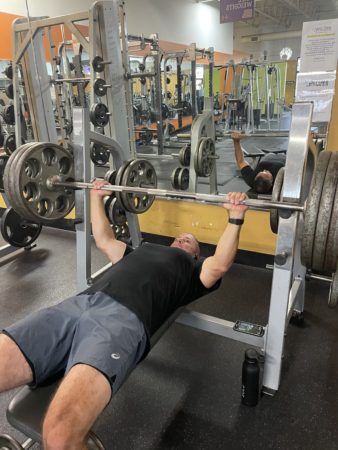
Cecelia: I’m able to exercise way more often and at a higher intensity with an ostomy than I ever could have before surgery. I can go on miles-long horseback and bicycle rides, paddle across wide lakes, attend a weekly boxing class, and lift heavy at the gym regularly. I feel immensely grateful for my ostomy after every satisfying workout and adventure outside.

Christopher: I’m a union plumber, so my days can involve crawling into tight spaces, lifting heavy equipment, sweating my butt off, and working in some pretty uncomfortable positions. I also love skateboarding and staying active. Most people I meet have no idea I have an ostomy, and honestly that’s kind of the point. I’m not hiding it, but I’m also not introducing myself as “the guy with the bag.”

Josh: I am an Air Force officer and C-130H pilot, and in November 2019 I became the first Air Force pilot approved to return to flight status in a pressurized aircraft with an ostomy. Since returning to the airplane, I have operated my aircraft around the world without an ostomy-related incident or limitation affecting my ability to perform my duties.

Accomplishments Owed to an Ostomy

Living with an ostomy often comes with new energy and the freedom to pursue dreams put off in times of active illness or set new goals, leading many ostomates to accomplish what may not have been possible without surgery. The lived experience of having an ostomy has also empowered a number of ostomates to help others in similar situations, creating an ever-growing community of support.

Crystal: [I’m proud of] starting my ostomy Instagram page. Once I was in the right headspace after ostomy surgery, I really wanted to help others who were as lonely, scared, and lost as I was in the beginning. Seeing the comments and direct messages about how I helped others in their journey with my posts put a smile on my face and made me know this was what I was meant to do.

Cecelia: Years later, I’m still proud to have graduated from college with honors and landed a job in my field of study, remembering that for many years I was too sick to take online classes or even think about what I wanted to pursue as a career. My ostomy gave me the health and stability I needed to be a student.

Axel: I’m most proud of learning to trust my body again. After being sick for so long, I lost a lot of confidence in what my body was capable of. Getting my ostomy gave me the opportunity to slowly rebuild that relationship. Whether it was traveling alone, getting back outside, or simply saying yes to something without worrying about my illness, each experience gave me a little more confidence.

Ada: While on my pediatric GI rotation I was able to meet a patient who was facing ostomy surgery. I ended up speaking to the patient and their parents for hours about my ostomy experience, teaching them about supplies, showing them community resources, and answering any questions they had. The patient ended up getting an ostomy and told me that I had even inspired them to tell their friend about it. It was a moment I will never forget and why advocacy and awareness are so incredibly important to me.

New Perspectives and Lessons Learned

An ostomy can change more than daily routines. It may be hard to visualize at the beginning of your journey, but living with an ostomy often shapes how we see ourselves, our bodies, others, and the world around us.

Chloe: Having an ostomy my whole life, I have more gratitude and appreciation for the smaller things in life that others may take for granted. It has definitely shaped who I am today, and how I move through the world. It’s given me a strong sense of empathy and compassion toward others.

Kaylaa’: Going through so much with my health so early in life (I’m 23) and having many of my firsts in life with an ostomy has made me appreciate true happiness and a supportive community. I could not have gotten through what I’ve been through without my mom, my IBD/ostomy community, and fandom culture.

Josh: My experience taught me humility and gratitude. I have a deep appreciation for the medical professionals who cared for me and helped give me a second chance at life. My ostomy taught me how resilient the human body and the human spirit can be. I learned to actively participate in my own life, and some days require nothing more than putting one foot in front of the other.

Reality Check: Correcting Common Misconceptions

Misconceptions about ostomies are common, shaping perceptions and interactions before even meeting a person with an ostomy. Here our ambassadors share what they wish more people understood.

Axel: People think having an ostomy means living with limitations. For me it has meant freedom. Before my ostomy, so much of my life revolved around my illness and where the nearest bathroom was. Now I’m cycling across Europe, sleeping in a tent, climbing mountains, and doing things I once wasn’t sure my body would ever let me do again.

Chloe: People think having an ostomy is just for elderly people. In reality, anyone can have an ostomy at any age, like me — I’ve had mine since birth from a rare congenital illness. There’s a whole community of young people out there advocating for us. Chances are, you’ve probably already met someone with an ostomy without even realizing it!

Taylie: People think that having an ostomy means that you can’t have a good life. In reality, it means taking back your life and getting to do the things you enjoyed before getting sick. Before my surgery, I was essentially bound to staying home and stopped living my life. My ostomy provided me a second chance and allowed me to take back control. I now do anything and everything, living to the absolute fullest with a newfound appreciation for life!

You’ve Just Been Told You May Need an Ostomy . . .

Facing ostomy surgery can feel isolating and overwhelming, but experienced ostomates offer assurances of no regrets, emphasize the importance of asking questions and processing the emotions that arise throughout the ostomy journey, and want you to know that you’re not alone.

Crystal: It’s going to be an adjustment in the beginning. You need to give yourself time and grace as you learn the routine of bag changes and how to be comfortable in your new body. But I promise it will get easier! In time, bag changes, emptying your bags, etc. will just become a regular part of your routine and life. It will sometimes feel like they aren’t even there!

Kaylaa’: It’s okay to be scared, take your time, breathe, and ask all your questions, no matter how small they might seem. Even after it was determined my ostomy would relieve the pain I was in, before scheduling my surgery I asked my surgeon and wound care nurse about the clothes I’d be able to wear.

Taylie: Everything is going to be okay. While it may be scary at first, you will learn how to live with it and will find your confidence over time. For me, getting my ostomy was the best choice I ever made because it gave me a second chance to live, and it now allows me to do everything I enjoy.

Christopher: I would tell them that it’s okay to be scared, angry, confused, or completely against the idea. I felt all of those things. An ostomy might change your life, but it doesn’t mean you stop having a life. You’re still going to laugh, fall in love, work, travel, make stupid decisions, and have good days and bad days. It might take time to find your new normal, and that’s okay.

Opening up about life with an ostomy is a vulnerable act; it takes guts. With greater ostomy visibility comes a wider community of support that makes it easier to navigate the transition to life with an ostomy and to imagine all of the wonderful things that life holds after surgery.


Coloplast develops products and services that make life easier for people with intimate healthcare needs. Working closely with the people who use our products, we create solutions that are sensitive to their special needs. Our business includes ostomy care, continence care, advanced wound care, interventional urology, and voice & respiratory care.

*This blog was edited by and features contributions from Cecelia, a Coloplast product user who received compensation from Coloplast for sharing her experiences. Other contributors featured in the blog are also Coloplast product users who received compensation from Coloplast for sharing their experiences.

Each person’s situation is unique, so your experience may not be the same. Talk to your healthcare professional about which product might be right for you

Follow Coloplast on Instagram, Facebook, and YouTube, or visit us online at https://www.coloplast.us/

Editor’s note: This blog is from a UOAA digital sponsor, Coloplast. Sponsor support along with donations from readers like you help to maintain our website and the free trusted resources of UOAA, a 501(c)(3) nonprofit organization.

September 30, 2026
https://www.ostomy.org/wp-content/uploads/2026/09/The-Reality-of-Life-with-an-Ostomy-Coloplast-UOAA-blog.jpg 1075 1612 Contributor https://www.ostomy.org/wp-content/uploads/2017/02/UOAAlogofinal2.png Contributor2026-09-30 12:17:412026-09-30 12:17:41The Reality of Life with an Ostomy: 9 Ostomates Share Insights, Victories, and Advice

My Life with an Ostomy- Josh

Colostomy, Digital Sponsor, Exercise/Sports, IBD, Ileostomy, Ostomy Tips, Patient Stories, Urostomy

Are you a new ostomate? Or a soon-to-be ostomate? No matter how far you are in your ostomy journey, adapting to your new situation is an inevitable part of the process. Talking to others who have already been in your shoes can help you in adjusting to this time of your life. That’s why we asked Josh Nelson, the first active-duty U.S. Airforce Pilot living with an ileostomy, to share his story and his experience with his ostomy journey to give insights on how getting an ostomy can be just the beginning of an exciting new chapter.

Before surgery

What was your life like before your ostomy surgery?

I was diagnosed with ulcerative colitis in November of 2017. Throughout the next year after my diagnosis, I tried maximum medical therapies starting with oral medications, then biologics, and then transitioned to combination therapies with biologics. Unfortunately, my body just did not respond to the medications, and the disease just took over my life. If you want to talk about quality of life with ulcerative colitis before I had the surgery – I didn’t have one. I was 145lbs. I was having 18 to 20 bowel movements a day. I wouldn’t leave my house. I knew where every bathroom, rest stop, and gas station were from my house to where I work. Any time I did leave the house, the only thing on my mind was, “Where’s the bathroom?” in case I had that sudden urgency to go. My wife and daughters left me alone. They wouldn’t even ask if I would go with them anywhere because they just knew I did not want to go anywhere. I had no quality of life. I was a prisoner in my own home, and that’s no way to live your life.

How did you feel when you learned you would be having ostomy surgery? What questions of fears did you have?

I made the decision to have an ostomy surgery in November of 2018, and I had about three days’ notice before the surgery was going to take place. The staff at the University of Minnesota Medical Center, where I was inpatient for 30 days prior to surgery, did a great job of introducing what life with a stoma will be like. My questions were, “What is a stoma?” “What are the appliances that I’m going to have?” “How do I care for this thing, and how do I recover?” and  “How do I slowly adapt to having an ileostomy and then getting my life back?” The WOC nurses were great, because they would just simply start to explain, “Oh, here’s what a wafer or barrier looks like,” “Here’s what a pouch looks like,” “Here’s what some of the accessories are.” They also explained, whether it’s ileostomy, colostomy, or urostomy, people do go on to live fully functional lives.

I definitely had some goals, but I had no fears when it came to having the surgery. I mean, okay, fine – I had maybe a couple fears of having surgery, but the stoma itself I was not afraid of. The reason for that is because I was kind of at my lowest of lows, and I thought to myself, “How could this be any worse than what I’m dealing with right now?” I remember my surgeon and the medical staff told me that once the surgery was done, I would no longer have the pain, and each day moving forward I could start to focus on getting my life back.

What advice do you have for people who are considering ostomy surgery?

My advice to anybody who is considering having the surgery is to keep an open mind. It will take some work. You will need to adapt to what you have. That means taking care of yourself physically, mentally, and emotionally because it is a step-by-step process. It is a big transition, but I’ve done everything I could to make sure my quality of life has improved. I do not regret my decision one bit. I have my life back and that’s what I think is most important.

Coming home

What was your experience like right after your ostomy surgery?

I had about five days in the hospital after surgery, and during that time I was focused on recovery, protecting my abdomen, and getting my strength back. The nurses did a great job of explaining step by step what it takes to change out the pouch and care for my stoma. Before I left the hospital, I needed to make sure that my pain was under control, starting to move around, and understood how to change my appliance by myself.

What were your goals after your surgery?

I focused on transitioning to home life again, figuring out how to slowly heal my body, and how to start eating foods again.

My goals were:

  1. Getting healthy food into my body so that my body can recover.
  2. Finding out what schedule I should be on for changing out my appliance.
  3. Observing my stoma area regularly to keep my skin healthy, prevent skin breakdown, and make sure that my stoma was healing properly.

What would you tell someone else returning home from their surgery?

  • Don’t be afraid of touching the stoma because your stoma doesn’t have any nerve endings you can feel.
  • It’s extremely important to have a solid understanding of how to change your pouch and ask for products before you leave the hospital.
  • Your WOC nurse will probably explain that what works best for you in the hospital may change after you go home and are healing up. Initially, it might be multiple times a week that you’re changing your whole appliance out because your abdominal area might’ve been swollen from the surgery, and as it starts to reside some of those wafers might fit differently.
  • Everybody’s different. Everybody responds to products differently. Those first couple of weeks to a month is just trial and error to find out which products work best for you. After you figure out your change routine, your quality of life can start to improve. You no longer need to worry about having multiple leaks or having multiple issues with your appliance, and you can start to focus on making other goals for your life with an ostomy.
  • Just take it day by day. Don’t think of the end state right away because it’s going to take time to get there. Create small goals on a day-to-day basis and then think long term and how to get there. It’s definitely a marathon; it is not a sprint. You’re going to learn something new every single day until you get comfortable living your life and understanding how to handle your ostomy.

Managing life with an ostomy

How has your life changed now that you have an ostomy?

I’ve had my ileostomy for over three years, and I can honestly say I haven’t looked back or had any regrets whatsoever to surgically remove my colon. I try to tell people my worst day as an ileostomate far exceeds my best day ever living under the umbrella of Inflammatory Bowel Disease. I am no longer bound by any type of medication. I have no special diet, nor do I have any restrictions, and my quality of life is through the roof. I could not be happier, and I do not regret the decision one bit whatsoever. But how did I get there?

First off, I accepted the fact early on that I was going to have an ileostomy for the rest of my life because it was a decision I made for a better quality of life. After accepting it, I could focus on moving forward versus dwelling on the “how’s” and “why’s” with ulcerative colitis.
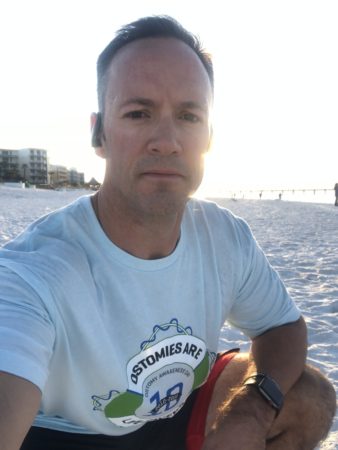

Secondly, after trying multiple different products, I came across a Coloplast product that worked really well for me. Once I found the product that worked well for me, that gave me the confidence to continue moving forward with my life and not have to worry about having leakage or skin issues. I have a couple routines, I’ll change my pouch no more than twice a week, but no less than once a week. I observe how the wear and tear of my wafer and appliance is working.

On top of that, I wanted to do everything that I could to make sure that I am living the best life that I can. I made some personal decisions, such as eating better and taking care of myself. I exercise quite a bit, and I try to eat fairly well. I try to focus on eating healthy foods so I can get the nutrition that my body needs.

What are some other tips you want to share about managing life with an ostomy?

It’s important to understand that this affects everybody differently, and it’s up to you to determine what works best for you to adapt, overcome, and live your life with any type of ostomy. I reached out to local support groups, and I think that’s extremely beneficial because you get connected with like-minded individuals. No matter whether they have a colostomy, ileostomy or urostomy, you can touch base with them and share your fears and concerns. A lot of these people have lived decades with their ostomy, and they’re proof to you that you probably can too. Finding that help and resource is extremely beneficial in helping you understand how to navigate life now that you have an ostomy and what’s out there for you.


I hope this helped you to understand what it was like to be diagnosed with the disease, have a permanent ileostomy, and how I live my life moving forward. Thank you! -Josh


*Josh has received compensation from Coloplast to provide this information. Each person’s situation is unique, so your experience may not be the same. Talk to your healthcare professional about which product might be right for you.

At Coloplast, we strive to provide innovative solutions to support people with intimate healthcare needs and make their lives easier. Now, we’ve got an app for that!

If you’re looking for additional support during your ostomy journey, download MyOstomyLife by Coloplast® Care. The app is designed to help you be successful and build confidence in managing your ostomy by providing you with personalized tools and resources for your daily life with an ostomy.

With MyOstomyLife, you can create a digital stoma journal to track your pouching changes over time and easily download to share with your nurse, if requested. The app also provides you with educational resources offering reliable product and lifestyle advice, tips customized to your ostomy type, and inspirational videos from other ostomates like Josh.

You can also easily contact one of our Coloplast Care® Ostomy Advisors for product and lifestyle support within the app. We’re here to help!

Download MyOstomyLife for free on your smartphone or tablet today to get started!

Have any questions about the app? Visit Coloplast® Care at www.ostomy.coloplastcare.us or call

1-877-858-2656.

Information provided in the app and from Coloplast® Care is for educational purposes only. It is not intended to substitute for professional medical advice and should not be interpreted to contain treatment recommendations. You should rely on the healthcare professional who knows your individual history for personal medical advice and diagnosis.

Editor’s note: This article is from one of our digital sponsors, Coloplast. Sponsor support along with donations from readers like you help to maintain our website and the free trusted resources of UOAA, a 501(c)(3) nonprofit organization.


July 20, 2022
https://www.ostomy.org/wp-content/uploads/2022/07/Josh-Nelson-909-×-600-px.png 600 909 Contributor https://www.ostomy.org/wp-content/uploads/2017/02/UOAAlogofinal2.png Contributor2022-07-20 15:21:192022-07-21 13:18:43My Life with an Ostomy- Josh

Tag Archive for: ostomy advice

Nothing Found

Sorry, no posts matched your criteria

Our Categories

Advocacy (82) Body Image (3) Caregivers (21) Colorectal Cancer (19) Colostomy (142) Continent Diversions (8) Digital Sponsor (80) Disaster Preparation (4) Emotional Health (64) Events (33) Exercise/Sports (49) Fashion/Clothing (11) Healthcare (23) IBD (57) Ileostomy (191) J-Pouch (8) jejunostomy (8) Membership (3) Nutrition (19) Ostomy 5k (21) Ostomy 5k (17) Ostomy Awareness (56) Ostomy Basics (56) Ostomy News (99) Ostomy Nurse (15) ostomy reversals (13) Ostomy Supplies (3) Ostomy Tips (96) Ostomy Videos (4) Patient Stories (104) Pediatric Ostomy (5) Personal (69) Sexuality (12) Short Bowel Syndrome (17) Skin Care (10) Social Life (5) Support Group News (13) Support Resources (16) Teens (4) Travel (12) UOAA Conference (18) UOAA History (3) UOAA Volunteers (5) Urostomy (114) Young Adult (10)

Support Us:

Your Donation Funds UOAA Educational Programs:

DONATE TODAY
SUSTAINING GIFT
BECOME A MEMBER
UOAA E-NEWS SIGN UP
Get updates on events, national advocacy and important topics in the ostomy and continent diversion community.

Contact Us


United Ostomy Associations of America
P.O. Box 2293
Biddeford, ME 04005-2293

Virtual Ostomy Clinic

Contact UOAA

Donate Your Supplies

Call us toll-free at: 1-800-826-0826.
Our Information Line hours are Monday-Friday, 9am to 3pm EST. If you have an emergency, please dial 911 or contact your local medical professional.

Please understand that UOAA is a private, nonprofit, advocacy and informational organization. We are not a medical facility and we do not have medical or legal professionals on staff. Therefore, UOAA does not provide Medical, Mental Health, Insurance or Legal Advice. Visit UOAA Virtual Ostomy Clinic provided by The Wound Company for non-emergency, virtual ostomy support.

Privacy Policy

Get Involved

UOAA is the leading organization proactively advocating on behalf of the ostomy community. Recognizing that we are always stronger together, we encourage everyone to get involved by joining our Advocacy Network. We’ve also created several Advocacy Tools and Resources to help you successfully advocate on behalf of the ostomy community to ensure every ostomate receives quality care.

UOAA Run for Resilience Logo

UOAA does not and shall not discriminate on the basis of race, color, religion (creed), gender, gender expression, age, national origin (ancestry), disability, marital status, sexual orientation, or military status, in any of its activities or operations.

Digital Health Award
© 2005-2026, UOAA. All Rights Reserved l Design by Tap House Media
  • Link to Facebook
  • Link to X
  • Link to Pinterest
  • Link to LinkedIn
  • Link to Youtube
  • Link to Mail
  • Link to Instagram
Scroll to top Scroll to top Scroll to top