United Ostomy Associations of America
  • HOME
  • OSTOMY INFORMATION
    • Ostomy Information
      • What Is An Ostomy?
      • Living with an Ostomy: FAQs
      • Diet + Nutrition
      • Ostomy Skin Care
      • Sexuality
      • Bill Of Rights
      • New Ostomy Patient Guide
    • My Ostomy
      • Ileostomy
      • Colostomy
      • Urostomy
      • J-Pouch
      • Continent Diversions + Other Ostomy Types
      • Temporary Ostomy
      • Short Bowel Syndrome
      • Español
    • Children to Young Adults with Ostomies
      • Infant/Toddler (0-3 Years)
      • Preschool (3-5 Years)
      • Elementary School (6-9 Years)
      • Pre-Adolescent (10-13 Years)
      • Adolescent (14-18 Years)
      • Young Adult (18-25 Years)
      • Parents & Clinicians Resources
      • Know Your Rights
      • What To Expect After Surgery
      • Odor Control
      • Fast Facts
      • Ostomy Game
    • Crohn’s Disease & Ulcerative Colitis Information
      • Defining, Caring and Treating
      • Preparing for Ostomy Surgery
      • Common Issues, Managing Diet, Mental Health
      • Intimacy, Fertility and Pregnancy
      • Resources
    • General Information
      • UOAA Ostomy Marketplace
      • Product + Supply Information
      • UOAA Resources Library
      • Resources for Nurses/Home Health
      • Travel Tips + TSA
      • Donate Your Ostomy Supplies
      • Emergency Supplies
      • Related Links
      • UOAA Virtual Ostomy Clinic
      • Outpatient Ostomy Services Locator
  • SUPPORT
      • discussion
        Ostomy 101:
        Easily communicate “What is an ostomy?" with our infographic.

        Read More

    • Find Support
      • Support Group Finder
      • Support Group Websites
      • UOAA Virtual Ostomy Clinic
      • Online Peer and Ostomy Support Programs
      • Outpatient Ostomy Services Locator
      • Find a Mental Health Provider
      • Find an Ostomy Nurse
      • Online Discussion Board
      • Apps for Ostomates
      • Emotional Concerns
    • Connect With Us
      • Start/Affiliate Your Group With UOAA
      • Resources For ASGs
      • National Membership
      • Sign Up for Our E-Newsletter
    • Participate
      • Attend An Event
      • Become An Advocate
      • Join Us for a Conference
      • Make A Donation
      • Become a Member of The Phoenix Society
      • Donate Your Ostomy Supplies
      • Take A Survey
  • ADVOCACY
      • portal
        Roadmap to Establishing Outpatient Ostomy Services
        Documents that are available as PDFs to download and print.

        Read More

    • About
      • Advocacy Program
      • Advocacy Priorities
      • 10 Questions to Help You Speak Up and Self-Advocate
    • Get Involved
      • Understanding the Medicare Competitive Bidding Program 2025 Ruling
      • Take Action
      • Join Advocacy Network
      • How to Be An Ostomy Champion
      • Ostomy Awareness Day
      • Roadmap to Establishing Outpatient Ostomy Services
    • Tools and Resources Library
      • Non-Medical Switching Resources
      • Ostomy and Continent Diversion Patient Bill of Rights
      • Restroom Access Self-Advocacy Tools
      • Travel Tips + TSA Communication Card
      • Swimming with an Ostomy
      • Mythbusters Infographic
      • Workplace Resources
      • Aging with an Ostomy or CD
    • Take Control of your Healthcare
      • UOAA Virtual Ostomy Clinic
      • Know Your Ostomy Checklist
      • Know Your Ostomy Supplies Checklist
      • Physician Visit Checklist
      • Know Your Health Care Insurance
      • Know Your Pouching System
      • Know What’s in Your Medical Record
  • WHO WE ARE
      • Have a Question for Us?
        UOAA is a 501(c)(3) nonprofit organization that supports, empowers, and advocates for people who have had or who will have ostomy or continent diversion surgery.

        Contact Us

    • About Us
      • Our Mission + History
      • Our Leaders
      • National Sponsors + Partners
      • National Membership
      • Contact Us
    • How We Help
      • Advocacy
      • Awareness
      • Support
      • National Conference
      • Ostomy Nurse Scholarship
    • Get Involved
      • Volunteer
      • Become A Leader
      • Join A Committee
      • Career Opportunities
      • Sign Up for Our E-Newsletter
  • LATEST
  • EVENTS
    • Ostomy Awareness Day
    • Run For Resilience 5K
    • Ostomy Academy
    • Educational Webinars
    • 2025 National Conference
    • Calendar
  • GIVE NOW
  • SEARCH
  • Menu Menu

Tag Archive for: motility issues

Bethany’s Story: An Architect Learns to Engineer Life with Short Bowel Syndrome

Digital Sponsor, Ileostomy, jejunostomy, Nutrition, Patient Stories, Personal, Short Bowel Syndrome

My journey to a Short Bowel Syndrome (SBS) diagnosis followed years of motility issues, intestinal complications and numerous surgeries, including a jejunostomy, which is an ostomy that creates an opening in the part of the small intestine called the jejunum. As a trained architect, I believe there’s no problem too big to solve, and applying that mindset has helped me to navigate the challenges of SBS and life with an ostomy. This is my story.

When I was diagnosed with a motility disorder at the age of 15, I never thought that it would have such an effect in my life. I was able to function with physical activity and limited diet until I had my colon removed in 2015 due to colonic volvulus. In my case, this meant that my colon twisted around itself, causing tissue death from lack of blood flow. The procedure worsened my underlying motility disorder of the small intestine. As a result of my underlying condition of chronic intestinal pseudo obstruction (CIPO), my intestines wouldn’t function. I lost the ability to absorb nutrients through my small intestine. I was in desperate need of answers.

Ultimately, I was evaluated for an intestinal transplant. At the time, my small intestine was severely compromised due to small intestinal bacterial overgrowth. In order to improve my odds of surviving the transplant, I underwent surgery to remove the majority of my small intestine in 2018, leaving me with only four inches of small intestine that didn’t function properly. The surgery, and the resulting serious and chronic malabsorption disorder that accompanied it, resulted in my diagnosis of short bowel syndrome, SBS.

To learn more about SBS, visit https://sbs-whattoknow.com/. To join the community and talk with others who are living with SBS, check out https://www.facebook.com/TakedaSBS/.

Learn More


While not everyone will experience an SBS diagnosis the same way, for me, the removal of my colon and most of my small intestine eliminated the ongoing pain and discomfort I experienced when I was living with a motility disorder and chronic intestinal pseudo-obstruction syndrome. Just prior to the surgery to remove my small intestine, I weighed 87 pounds and couldn’t walk half a mile without becoming exhausted. I now weigh 122 pounds and was able to walk nine miles the other day. Keep in mind that this is just my experience and everyone’s journey will be different. In consultation with my medical team, I have decided to put my intestinal transplant on hold.

In my case, living with SBS also means that if I don’t eat the right things, it can affect my electrolytes and fluid balance. Without my colon, I don’t absorb fluids. So, I have found that if I drink water, I can actually lose fluids. A key part of managing my condition has been learning to listen to my own body and trying to understand what’s happening inside. For example, I have learned to recognize the signs of dehydration and have made it a priority to understand my lab values. As I have gained a better understanding of my condition, I also think it’s been important for me to find the right providers for what I’m going through at each stage of the process.
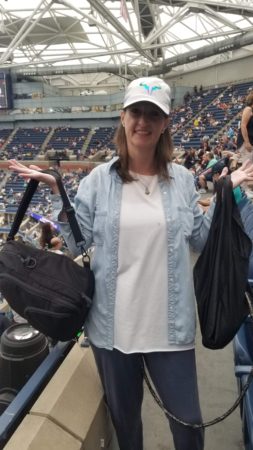
 

Navigating how to live with a jejunostomy was a challenging aspect in my SBS management, especially when I experienced leaking. I remember once going to a rare bookstore and my ostomy bag opened. In those moments, with liquid pouring down my legs, I had never felt more embarrassed. However, my grandma taught me that you have a choice in uncomfortable situations – you can either cry or laugh. I try to choose the latter. Not everyone will experience leaks with an ostomy, but if it happens to you, I’d encourage you to give yourself grace. Adapting to life with an ostomy can be a gradual process. For example, when I first had my jejunostomy, it took me an hour to change my bag and now it only takes me 15 minutes.
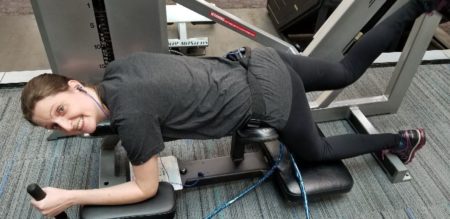
Despite the challenges, I never gave up on looking for answers and solutions. My training as an architect has led me to believe there is nothing that can’t be solved. After consulting with multiple ostomy teams and connecting with people who share similar experiences, I started to embrace the changes that came with my SBS diagnosis and jejunostomy.

I have been lucky enough to receive tremendous support throughout my SBS journey. My family is my biggest source of support. My husband has been there for me despite knowing about my chronic condition. My dad is the one who figured out how to empty the additional drainage bag overnight by flipping it upside down. My mother and grandma have created customized recipes to help with my oral food intake. But, for me, it’s been a continual process to educate the people around me about my condition. I have learned to be patient and vocal about my specific needs.
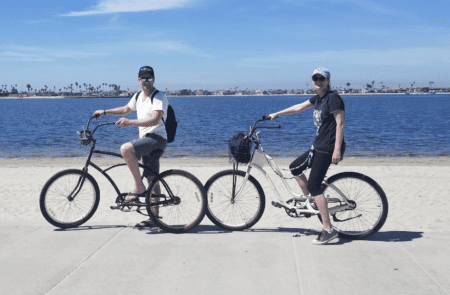
For anyone living with a rare and chronic illness, I encourage you to reach out and seek community support. A few members of the SBS community have inspired me and helped me to better understand my condition and encouraged me to break down barriers in my own SBS journey by sharing their own experiences. I’m grateful for the opportunity to connect with others going through similar experiences.

When I was first diagnosed with SBS, I did not think it would be possible to continue doing the things I love. Along the way, the architect in me has looked for opportunities to “design my future” with SBS by embracing challenges, educating myself and the people around me, and connecting with others in the community. I am proud of the progress I’ve made – I have a job that I love and I live in a city that I love. SBS is only a small piece of who I am, and it does not define who I am. I hope you can embrace YOUR journey with SBS, too.

This article was created by Takeda.


Editor’s Note: This educational article is from one of our digital sponsors, Takeda. Sponsor support along with donations from our readers like you help to maintain our website and the free trusted resources of UOAA, a 501(c)(3) nonprofit organization.


August 22, 2022
https://www.ostomy.org/wp-content/uploads/2022/08/Bethany_1-scaled.jpg 1920 2560 Contributor https://www.ostomy.org/wp-content/uploads/2017/02/UOAAlogofinal2.png Contributor2022-08-22 12:47:342023-07-21 13:31:18Bethany’s Story: An Architect Learns to Engineer Life with Short Bowel Syndrome

Our Categories

Advocacy (78) Caregivers (19) Colorectal Cancer (19) Colostomy (138) Continent Diversions (8) Digital Sponsor (77) Disaster Preparation (4) Emotional Health (61) Events (32) Exercise/Sports (47) Fashion/Clothing (11) Healthcare (21) IBD (52) Ileostomy (181) J-Pouch (7) jejunostomy (7) Membership (3) Nutrition (19) Ostomy 5k (19) Ostomy 5k (15) Ostomy Awareness (55) Ostomy Basics (55) Ostomy News (94) Ostomy Nurse (13) ostomy reversals (12) Ostomy Supplies (2) Ostomy Tips (93) Ostomy Videos (4) Patient Stories (96) Pediatric Ostomy (4) Personal (63) Research (3) Sexuality (12) Short Bowel Syndrome (16) Skin Care (9) Social Life (5) Support Group News (12) Support Resources (15) Teens (3) Travel (11) UOAA Conference (17) UOAA History (3) UOAA Volunteers (3) Urostomy (111) Young Adult (7)

Support Us:

Your Donation Funds UOAA Educational Programs:

DONATE TODAY
SUSTAINING GIFT
BECOME A MEMBER
UOAA E-NEWS SIGN UP
Get updates on events, national advocacy and important topics in the ostomy and continent diversion community.

Contact Us


United Ostomy Associations of America
P.O. Box 2293
Biddeford, ME 04005-2293

Virtual Ostomy Clinic

Contact UOAA

Donate Your Supplies

Call us toll-free at: 1-800-826-0826.
Our Information Line hours are Monday-Friday, 9am to 3pm EST. If you have an emergency, please dial 911 or contact your local medical professional.

Please understand that UOAA is a private, nonprofit, advocacy and informational organization. We are not a medical facility and we do not have medical or legal professionals on staff. Therefore, UOAA does not provide Medical, Mental Health, Insurance or Legal Advice. Visit UOAA Virtual Ostomy Clinic provided by The Wound Company for non-emergency, virtual ostomy support.

Privacy Policy

Get Involved

UOAA is the leading organization proactively advocating on behalf of the ostomy community. Recognizing that we are always stronger together, we encourage everyone to get involved by joining our Advocacy Network. We’ve also created several Advocacy Tools and Resources to help you successfully advocate on behalf of the ostomy community to ensure every ostomate receives quality care.

UOAA Run for Resilience Logo

UOAA does not and shall not discriminate on the basis of race, color, religion (creed), gender, gender expression, age, national origin (ancestry), disability, marital status, sexual orientation, or military status, in any of its activities or operations.

Digital Health Award
© 2005-2026, UOAA. All Rights Reserved l Design by Tap House Media
  • Link to Facebook
  • Link to X
  • Link to Pinterest
  • Link to LinkedIn
  • Link to Youtube
  • Link to Mail
  • Link to Instagram
Scroll to top Scroll to top Scroll to top