Tag Archive for: ursotomy

My Ostomy Story

Hello! My name is Marcia Benedict. I have a urostomy due to bladder cancer.

Facing an ostomy and what life would be after surgery can be overwhelming and I found myself repeating, “I never expected this”.  I was dumbfounded, speechless; and at first, all I could do was cry. I hope my story will give you the strength, support, and desire to thrive beyond expectations.

My Journey

After retiring to Tucson, AZ in 2019, I remembered hearing, “if you ever find yourself in need of medical attention and don’t know who or where to turn, search for the nearest teaching hospital”. I sought medical attention at Banner University Medical Center. The support from doctors and their care team, my Ostomy nurse (CWOCN) and our local Ostomy Support Group has been invaluable.

Despite the initial fear and challenges, I adapted to my new normal by being my own best advocate. I needed to speak up, be determined and resilient.Through it all: Urogram, cystoscopy, cytology, TURBT (transurethral resection of bladder tumor).  Diagnosis: T2/T3 tumor of the bladder invading the vaginal wall. Treatment: chemotherapy, radical cystectomy and hysterectomy. Recovery: one day at a time. Time for emotional and physical healing, following doctors’ orders, being kind and patient with myself. I survived each step, repeating each as needed along the way, and so can you!

Be Prepared – a Few Hints and Hacks

As I was living alone and my cat was not proficient in nursing duties, I requested skilled nursing rehab (SKF) upon hospital discharge. Though my surgeon recommended recovery with home health, he understood my dilemma and helped make those arrangements through his nurse navigator and case manager, followed by home health services (visiting nurse, PT/OT, nutritionist) when I returned home.

Support was such a lifeline in helping me better understand and cope,

Before surgery, I ensured I had a waterproof mattress pad, chux (puppy pads) for my bed and bathroom. Upon discharge from SKF and home health therapy, I preordered my ostomy supplies with the help of my WOC nurse. Over time, I became efficient in changing my pouching system, reducing the time from over an hour to now 15 minutes. Practice makes perfect (most of the time). Despite initial challenges, I adapted with determination. I set alarms on my phone to remind me to empty my pouch and avert potential leaks. Just in case, I always carry a puppy pad under the front seat of my car. To this day, I have repeat calendar schedules to change my pouch. Once, driving on the Interstate, I improvised with an empty water bottle as a makeshift urinal when restrooms were closed during the pandemic. I also keep an empty disposable water bottle (with the cap) in my car and a complete pouch change packet in my purse or backpack. These experiences taught me valuable lessons and have helped me manage with confidence.

You Are Not Alone

Two days before my surgery at the suggestion of my WOC nurse, I went to an Ostomy Support Group, a local affiliate of UOAA. To my surprise, I walked into a roomfull of ostomates of all types. They were welcoming. In a roundtable setting, they talked about the facts, the foibles and the freedom of living with an ostomy. They gave me strength to face what was coming and faith that there was life after ostomy surgery.

That first meeting led me to fulfill one of my retirement goals: …to give back by helping  others facing similar journeys. Recovering during the pandemic, in-person meetings were cancelled. Support was such a lifeline in helping me better understand and cope, I signed up as a phone contact. The Local Group initiated monthly Zoom meetings; and when restrictions were lifted, in-person monthly meetings reconvened.

I’m excited to be attending for the first time this year’s UOAA National Conference in Orlando. I’ve heard from previous attendees the information is educational, inspiring and a good time is had by all. I look forward to meeting some of the wonderful UOAA personnel who have helped me along my journey. Enough can’t be said about their resources: tips, educational publications, particularly the “Living with a Urostomy” guide online, supportive Ostomy Academy discussions and video sessions. If you haven’t tapped into the website www.ostomy.org or the UOAA Facebook page, I encourage you to check it out.

The Future
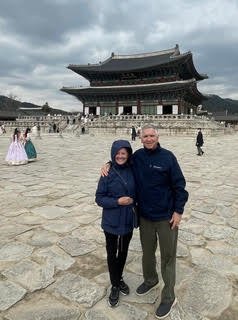
Initially, everything was daunting, but my expectations for retirement and recovery have exceeded my dreams. I’m healthy, happy and fearless.

Despite the initial fear and challenges, I adapted to my new normal by being my own best advocate.

Surrounded by family and friends, I’m active. I play golf, swim, and dance again. I travel by car, plane, and train in the U.S and internationally. Supplies and all, I braved a 26-day cruise. I even rode a camel!

Wherever I go, my “Bathroom Access Card” is in my wallet, and translated in 2 foreign languages on my phone. In recovery, I found the time and strength to redesign and renovate my kitchen. Made time to socialize. I recently attended my oldest granddaughter’s college graduation and all the festivities. I’m looking forward to it all over again with my second granddaughter who is studying medicine. Since my surgery, I feel blessed indeed, going on 6 years NED (no evidence of disease).

And I’m no longer single! I have a wonderful relationship with a man who adores me for who I am, including my ostomy. There is little to keep me from a fulfilling life, and you shouldn’t let a pouch stop you either.

You’ve Got This!
By Lisa Febre

You’re not alone, as a new ostomy patient I was overwhelmed. Here is how I learned how to take it slow, keep it simple, and learn about this new normal.

I awoke from surgery like many new ostomates: confused, frightened, angry, overwhelmed, sad, and anxious. A cancer diagnosis and a colostomy were more than I could handle for one morning. It’s a lot to take in, and I just wasn’t ready to face any of it.

Until I had my ostomy, I did not know what this was. Sometimes I would hear vague references on a tv show to “a bag,” but no proper descriptions or explanations. I had a bag and no idea what it was or what to do with it. Afraid to look at it, I thought I might see something so gross it would prevent me from taking care of myself. Would I need to rely on someone else to take care of me from now on? Did all my independence just go out the window with one surgery?

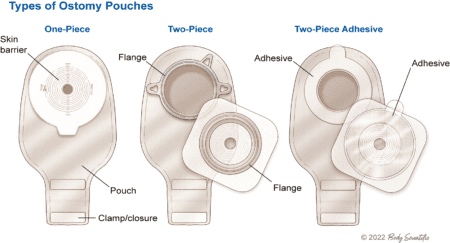
Though knowledgeable and well meaning, the ostomy nurse at the hospital left me feeling overwhelmed. The information she was sharing came at breakneck speed. Words like “flange,” “wafer,” “stoma,” “output,” and “pouching system” were being thrown around as if I already knew what they were. Demonstrations of things like ostomy powders and barrier tape only confused me more. All I remembered from the half-hour spent with the ostomy nurse was how to measure my stoma and how to cut the barrier to size.

Types of ostomy bags or pouches ileostomyThe ostomy nurse had a lot of information to cover in a short period, and she thought all of it was important. Afraid of failing, I was certain that I was going to make terrible mistakes. I doubted my ability to do any of this.



Amidst my stress over the new colostomy, I was also recovering from major abdominal surgery. A colectomy is a dramatic change to the body. In my case, I had a large vertical incision that needed care, along with the sutures around my new stoma. Five days after surgery, I was still easing into my post-op life with a soft-solids diet, gradually introducing new foods according to the nutrition guidelines my surgeon and nutritionist had set for me. Exhausted, sore, depressed, and worried about the future, I had a lot on my plate.

Learn About Your Ostomy Supplies

Videos to the rescue. The ostomy supply manufacturers offer “how-to” videos on YouTube and elsewhere for their products, which are straightforward and helpful. I spoke with a customer support representative from the medical supply service a few days after I got home, and he gave me the best advice: “keep it simple until you get the hang of it. Then you can try the fancy stuff.” His explanations were simpler and this time, he instilled me with confidence. He took the time to answer my questions and used language that made it clear to me that this wasn’t rocket science.

Don’t be afraid to make phone calls to the ostomy supply companies. Their customer service people can be the most helpful people you’ll encounter with your ostomy. Also get the New Ostomy Patient Guide from UOAA that has images and articles to help you adjust to all the new terminology and information.

Get to know the parts of your pouching system. Hospitals will send you home with a particular brand, so begin there but know you can sample a variety of products. I had a 2-piece, filtered, drainable system with a flat barrier (wafer). I decided to stick with what the surgeon had stuck on me, copying that for a few weeks. Thankfully, it can take up to a week after surgery for the gut to work again, so I had time to get to know the appliance before having to deal with output.

Take it Slow

Caring for the colectomy and ostomy incisions was no different from other surgeries. Follow the hospital’s discharge instructions, which are to keep the sutures dry when bathing (there are excellent waterproof dressings readily available online and at your pharmacy). It’s a good idea to trim your barrier adhesive patch to avoid your midline incision until it is fully healed. Even though the sutures around your stoma are being exposed to output, don’t panic. Gently wash the area with each appliance change.

Your surgeon will give you important instructions regarding lifting limits. This usually entails not lifting over 5 pounds for several weeks. They will also advise you to walk as much as possible. Movement aids in jumpstarting your digestion, so walk every day! Always follow your doctor’s instructions: many people are at high risk for parastomal hernia. Your surgeon will tailor your lifting and activity limits to your personal needs, and it is in your best interest to follow those instructions diligently.

Keep it Simple

Keep things as simple as possible as you adjust to your new ostomy. Don’t burden yourself by wondering about all the extra items floating around in the “Starter Kit.” When people in your support group talk about tricks and tips, don’t worry, you’ll soon reach a point when you’re the one giving the advice. It’s overwhelming in the beginning, but before you know it, you’ll become familiar with all the accessories, too. As your body recovers, and you settle into your new normal, you’ll gain confidence in caring for your ostomy. For a month after surgery, I only dealt with the wafer/barrier and pouch. Simplicity helped me feel confident.

After surgery, your stoma will be inflamed. For 8-12 weeks after surgery, as it heals, it will change size before settling into its permanent size. Each time you change your barrier, use the stoma template that comes with your supplies. And don’t worry if your stoma bleeds a little – this is completely normal and should stop quickly. If the bleeding is heavy, it won’t stop, or you know for a fact you cut your stoma on a sharp edge, call your doctor or ostomy nurse.

Don’t be afraid: stomas move before and during output. Your stoma is a living piece of your intestine and intestines move! It is normal for it to retract and pucker. It will let you know when something is about to happen. This is very useful when you’re not home; you’ll feel more confident about knowing when to find a bathroom.

Find the Supplies that Work Best for You

By the end of the first 6 weeks, I was feeling much surer of myself with taking care of my colostomy. Then, I tried all kinds of pouching systems along with many accessories. When I changed brands, I went through the process all over again, speaking to sales representatives and using all the free samples they sent me. Just remember you’ll need a prescription for your supplies from your surgeon, so once the hospital sets you up with a supply company, give that to them. And if/when you change brands, you’ll need a new prescription for that. Don’t worry, it sounds confusing now, but your supply company should handle these details for you.

Be Kind to Yourself and Embrace Peer Support

It’s normal to be overwhelmed in the beginning, so aim to keep things simple. If your ostomy nurse was like mine and raced through the material, it’s difficult to feel confident on your own. Hit reset and try to copy what the surgeon put on you after surgery. Your home health aide may or may not have experience with ostomies, so do your own research and practice with sample supplies. Join a support group as soon after surgery as you can. Armed with information, experience, and support, you, too, will find the confidence you need to care for your new ostomy.


Lisa Febre is the author of “Round the Twist: Facing the Abdominable,” a memoir about her diagnosis and treatment of Stage-4c Colon Cancer, which hits bookshelves in September 2023. She had a descending colostomy for 10-months. To learn more visit her at UOAA’s National Conference in August or visit  lisafebre.com.