Recently, I had the privilege of conducting a workshop with our local UOAA affiliated ostomy support group. As I looked around the room at these resilient individuals, each with their own journey of recovery and adaptation, I was struck by a common thread in their stories. Many had received excellent surgical care and post-operative medical support, yet few had been offered physical therapy as part of their recovery process.
If you’ve undergone abdominal surgery, you might be dealing with unexpected challenges like persistent pain, difficulty returning to activities you love, or new symptoms you weren’t prepared for. Perhaps you’re frustrated that your recovery feels incomplete, or you’re worried about complications like hernias that seem to be developing despite following all your surgeon’s instructions.
These concerns are valid, and more importantly, they’re often addressable.
This gap in care matters because physical therapy after abdominal surgery can truly set you up for long-term success in ways that extend far beyond initial healing. While physical therapy is standard practice after orthopedic surgeries like knee or shoulder replacements, it’s rarely considered routine care following abdominal procedures.
In this article, I’ll guide you through understanding why physical therapy is crucial for your recovery and how it can address the three most common challenges you may be facing, namely:
- Preventing hernias
- Managing scar tissue
- Returning to the activities that bring meaning to your life
What is Abdominal Rehabilitation?
Abdominal rehabilitation is a musculoskeletal and movement specialty within physical therapy that focuses on abdominal and pelvic muscle function in relationship to bowel, bladder, and sexual functioning as well as lumbopelvic and hip mobility. This specialized approach recognizes that abdominal surgery affects far more than just the surgical site, it impacts your entire core system, your posture, your breathing patterns, and your movement strategies.
Unlike general physical therapy, abdominal rehabilitation specifically addresses the unique challenges that arise after procedures involving the abdominal cavity, including ostomy surgeries, hernia repairs, bowel resections, gynecological surgeries, and other abdominal procedures.
Understanding How Abdominal Surgery Impacts Your Body
The effects of abdominal surgery extend far beyond the incision site. Understanding these impacts helps explain why comprehensive rehabilitation is so important for your recovery.
Adhesion Formation: The Hidden Challenge
One of the most significant and often overlooked consequences of abdominal surgery is adhesion formation.
Adhesions are internal scars that form naturally as the body heals from tissue damage caused by surgery, infection, injury, or radiation. While they’re a normal part of healing, they can become a source of pain and dysfunction.
The statistics are sobering: 90% of abdominal surgeries and nearly 100% of open pelvic surgeries cause adhesions. What makes adhesions particularly challenging is that they cannot be diagnosed through standard imaging or diagnostic testing.
Diagnosis is only possible through direct observation during surgery, but this is typically avoided to prevent further adhesive processes.
Adhesions can lead to:
- Chronic abdominal or pelvic pain
- Bowel obstruction requiring emergency surgery
- Reduced organ mobility affecting digestive function
- Fertility issues in reproductive-aged individuals
- Need for additional surgical procedures
Changes in Posture, Breathing, and Movement Patterns
After abdominal surgery, your body naturally adopts protective postures and movement strategies. While these serve an important purpose during early healing, they often persist longer than necessary, leading to:
- Postural changes: Forward trunk lean, rounded shoulders, and protective guarding
- Breathing alterations: Shallow breathing patterns that reduce diaphragm excursion
- Movement compensations: Altered lifting mechanics and transfer strategies
- Core system dysfunction: Disruption of the coordinated system involving your diaphragm, pelvic floor, abdominal muscles, and spine stabilizers
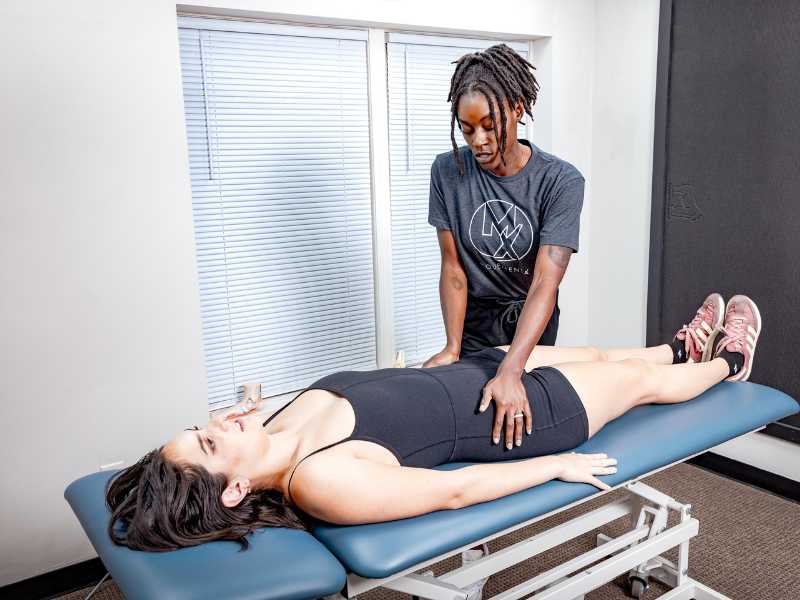
The Comprehensive Benefits of Physical Therapy after Abdominal Surgery
Evidence-based abdominal rehabilitation offers numerous benefits that can significantly improve your recovery and long-term outcomes:
Physical Benefits
- Decreased pain through targeted interventions and movement optimization
- Improved muscle recruitment in abdominal, spine, and pelvic muscles
- Enhanced range of motion in affected areas
- Reduced excessive scarring through manual techniques and scar management
- Prevention of ileus (intestinal blockage) through early mobility strategies
- Less noticeable scars through specialized scar treatment techniques
Functional Benefits
- Restored visceral mobility improving organ function and digestive health
- Improved peristalsis supporting healthy bowel function
- Faster return to prior activity levels with reduced risk of re-injury
- Enhanced quality of life through comprehensive symptom management
Understanding Hernia Prevention: It’s All About Pressure Management
Hernias, including stomal hernias that can occur after ostomy placement, are often symptoms of poor intra-abdominal pressure management rather than simply surgical complications.
When you hold your breath during daily activities, something that happens unconsciously throughout the day, intra-abdominal pressure increases dramatically and seeks the path of least resistance.
Unfortunately, your recent surgical site often becomes that path.
Through physical therapy, you can learn new breathing strategies and movement patterns that help manage intra-abdominal pressure more effectively. These aren’t just theoretical techniques, they’re practical skills you can apply when lifting groceries, playing with grandchildren, or returning to your favorite exercises.
Key Strategies for Hernia Prevention
- Coordinated breathing patterns during lifting and exertion
- Progressive loading techniques to strengthen your abdominal wall safely
- Activity modification strategies that protect your surgical site while maintaining independence
- Recognition of warning signs that indicate you need to adjust your approach
Addressing Scar Tissue and Adhesions: A Proactive Approach
Surgical scar tissue affects how your core muscles function and increases the risk of adhesive disease, a condition that can lead to chronic pain, bowel obstruction, and additional surgeries. The challenge with adhesions is that while surgery can sometimes address severe cases, additional surgery often introduces more scar tissue, creating a frustrating cycle.
Physical therapy offers a non-invasive alternative through evidence-based techniques that can significantly improve how scar tissue behaves, reducing its impact on your daily function and potentially preventing the need for revision surgeries.
Evidence-Based Scar Management Techniques
- Manual scar massage to improve tissue mobility and reduce restrictions
- Myofascial mobilization targeting the abdominal wall and surrounding tissues
- Visceral mobilization to optimize organ mobility and reduce internal adhesions
- Dry needling to address trigger points and scar tissue limitations when appropriate
- Instrument Assisted Soft Tissue Mobilization (IASTM) techniques for soft tissue mobilization and scar remodeling
Restoring Functional Mobility: Beyond Basic Movement
After abdominal surgery, your body naturally adopts protective postures to guard the surgical site. While this guarding serves an important purpose in early healing, it often persists longer than necessary, contributing to abdominal wall stiffness, loss of spinal mobility, decreased ribcage expansion, and compensatory movement patterns that can lead to pain.
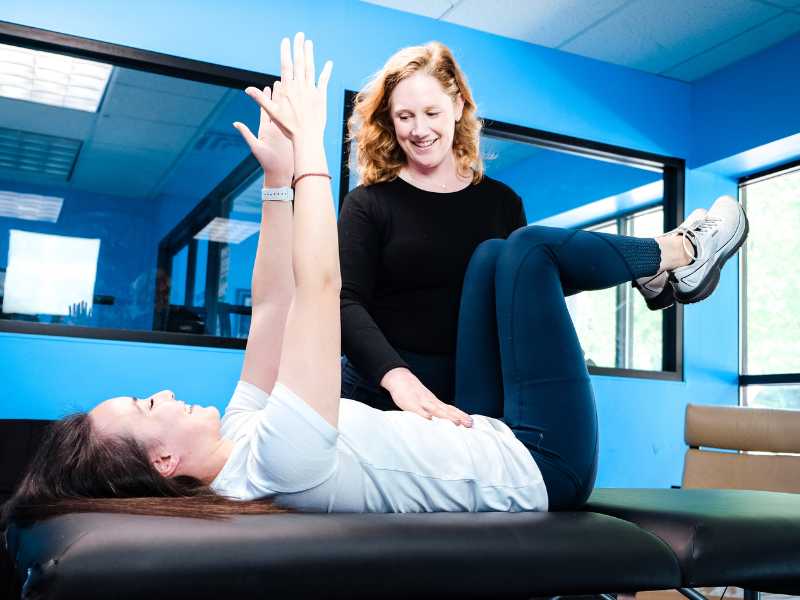
Physical therapists are uniquely qualified to assess these movement compensations and prescribe specific exercises to address them. The goal isn’t just to restore basic function, but to help you return to activities you love, whether that’s caring for family members, returning to running, or getting back to gardening.
Personalized Activity Return
The key is individualization. A physical therapist can get creative with exercise progressions that are specific to your goals and interests, making rehabilitation both meaningful and sustainable. This might include:
- Sport-specific training for athletes returning to competition
- Workplace ergonomics for those with physical job demands
- Grandparent preparation for those wanting to lift and play with grandchildren
- Hobby-related movements like gardening, crafting, or musical instruments
The Core System Connection: Addressing Unexpected Symptoms
One aspect of abdominal surgery recovery that often surprises patients is the potential impact on bowel and bladder function. This occurs because abdominal surgery disrupts the “deep core” system, a coordinated network including the diaphragm, pelvic floor, abdominal wall muscles, and spine stabilizers.
These muscles must work as an integrated system for optimal function. The pelvic floor, in particular, plays crucial roles in continence control, pelvic organ support, and efficient bowel and bladder emptying.
When the Core System Is Disrupted
When surgery disrupts one component of this system, you may experience new onset symptoms such as:
- Urinary or fecal incontinence
- Constipation or changes in bowel patterns
- Pelvic organ prolapse symptoms (feelings of pelvic heaviness)
- Pelvic pain or discomfort
Physical therapists trained in pelvic health can help restore core system coordination and address these symptoms through targeted interventions, often eliminating the need for additional medical treatments or procedures.
The Three Phases of Rehabilitation after Abdominal Surgery
Effective abdominal surgery rehabilitation typically progresses through three distinct phases, each with specific goals and interventions tailored to your healing timeline and individual needs.
Phase 1: Incision Healing, Protection, Bowel and Bladder Health
Typical Time in Phase: Days to Weeks
Scar Healing Focus
- Following your medical team’s instructions for incision care
- Monitoring for signs of infection including redness, drainage, warmth, improper closure, fever, or excessive swelling
- Learning proper wound care techniques and when to contact your healthcare provider
Healthy Bowel and Bladder Habits
- Maintaining adequate hydration to support healing and digestive function
- Learning to listen to natural urges rather than delaying or forcing
- Identifying potential bowel and bladder irritants that may affect your recovery
- Establishing healthy bathroom postures and techniques
Safe Body Mechanics
- Pain management techniques that reduce reliance on medications
- Early mobility strategies to prevent complications like blood clots
- Education on safe posture and movement for daily activities
- Guidance on self-care activities and adaptive techniques
Phase 2: Scar Tissue and Visceral Mobility, Restoring Range of Motion
Typical Time in Phase: Weeks to Months
- Progressive strength restoration that respects healing tissues
- Comprehensive scar tissue management through manual techniques
- Spine, hip, and ribcage range of motion improvement
- Myofascial mobilization of the abdominal wall and surrounding structures
- Visceral mobilization to restore organ mobility and function
- Breathing pattern optimization for pressure management
- Introduction of functional movement patterns
Phase 3: Strengthening and Returning to Functional Mobility
Typical Time in Phase: Months and beyond
Advanced Core Strengthening and Stability Training
- Balance training to reduce fall risk and improve confidence
- Return to full functional mobility and previous activity levels
- Activity-specific training for work, sport, and recreational pursuits
- Long-term maintenance strategies for ongoing health
- Independence in home exercise programs and self-management techniques
Your Path Forward
Abdominal surgery represents a significant event in your body’s history, but it doesn’t have to define the limits of your recovery.
With proper rehabilitation, you can not only return to your previous level of function but often exceed it by learning better movement strategies, developing stronger core stability, and gaining a deeper understanding of your body’s needs.
The key is recognizing that recovery is an active process that extends well beyond surgical healing, and seeking out qualified professionals who understand the unique challenges you’re facing.
Whether you’re dealing with persistent pain, concerned about hernia prevention, struggling with scar tissue restrictions, or experiencing unexpected symptoms, specialized abdominal rehabilitation can provide the roadmap to help you reclaim your life and activities with confidence.
About the Author: Kaylene Hernandez, PT, DPT is a doctor of physical therapy with MovementX, proudly serving Northwest Indianapolis specialized in pelvic health across the lifespan. Her advanced training covers male and female pelvic floor dysfunction, pediatric pelvic health, oncology rehabilitation, lymphedema, and dry needling. With an approach to care that is to listen deeply, treat holistically, and empower constantly, Dr. Hernandez is committed to helping you thrive in every season of life.
Citations
- Svensson-Raskh A, Schandl A, Holdar U, Fagevik Olsén M, Nygren-Bonnier M. “I Have Everything to Win and Nothing to Lose”: Patient Experiences of Mobilization Out of Bed Immediately After Abdominal Surgery. Phys Ther. 2020 Dec 7;100(12):2079-2089. doi: 10.1093/ptj/pzaa168. PMID: 32941610; PMCID: PMC7720638.
- Okabayashi K, Ashrafian H, Zacharakis E, Hasegawa H, Kitagawa Y, Athanasiou T, Darzi A. Adhesions after abdominal surgery: a systematic review of the incidence, distribution and severity. Surg Today. 2014 Mar;44(3):405-20. doi: 10.1007/s00595-013-0591-8. Epub 2013 May 9. PMID: 23657643.
- Broek RP, Issa Y, van Santbrink EJ, Bouvy ND, Kruitwagen RF, Jeekel J, Bakkum EA, Rovers MM, van Goor H. Burden of adhesions in abdominal and pelvic surgery: systematic review and met-analysis. BMJ. 2013 Oct 3;347:f5588. doi: 10.1136/bmj.f5588. PMID: 24092941; PMCID: PMC3789584.
- Lubczyńska A, Garncarczyk A, Wcisło-Dziadecka D. Effectiveness of various methods of manual scar therapy. Skin Res Technol. 2023 Mar;29(3):e13272. doi: 10.1111/srt.13272. PMID: 36973982; PMCID: PMC10155853.
- Chmielewska D, Malá J, Opala-Berdzik A, Nocuń M, Dolibog P, Dolibog PT, Stania M, Kuszewski M, Kobesova A. Acupuncture and dry needling for physical therapy of scar: a systematic review. BMC Complement Med Ther. 2024 Jan 2;24(1):14. doi: 10.1186/s12906-023-04301-4. PMID: 38167051; PMCID: PMC10759514.
- Sinclair M. The use of abdominal massage to treat chronic constipation. J Bodyw Mov Ther. 2011 Oct;15(4):436-45. doi: 10.1016/j.jbmt.2010.07.007. Epub 2010 Aug 25. PMID: 21943617.
- Zia Z, Riaz H, Imtiaz I. Effect of early physical therapy interventions on post-operative ileus following abdominal hysterectomy. J Pak Med Assoc. 2023 Mar;73(3):650-652. doi: 10.47391/JPMA.5447. PMID: 36932773.
- Barral, Jean-Pierre. Visceral Manipulation. Vista CA: Eastland Press, 1993.
- Arung W, Meurisse M, Detry O. Pathophysiology and prevention of postoperative peritoneal adhesions. World J Gastroenterol. 2011 Nov 7;17(41):4545-53. doi: 10.3748/wjg.v17.i41.4545. PMID: 22147959; PMCID: PMC3225091.