United Ostomy Associations of America
  • HOME
  • OSTOMY INFORMATION
    • Ostomy Information
      • What Is An Ostomy?
      • Living with an Ostomy: FAQs
      • Diet + Nutrition
      • Ostomy Skin Care
      • Sexuality
      • Bill Of Rights
      • New Ostomy Patient Guide
    • My Ostomy
      • Ileostomy
      • Colostomy
      • Urostomy
      • J-Pouch
      • Continent Diversions + Other Ostomy Types
      • Temporary Ostomy
      • Short Bowel Syndrome
      • Español
    • Children to Young Adults with Ostomies
      • Infant/Toddler (0-3 Years)
      • Preschool (3-5 Years)
      • Elementary School (6-9 Years)
      • Pre-Adolescent (10-13 Years)
      • Adolescent (14-18 Years)
      • Young Adult (18-25 Years)
      • Parents & Clinicians Resources
      • Know Your Rights
      • What To Expect After Surgery
      • Odor Control
      • Fast Facts
      • Ostomy Game
    • Crohn’s Disease & Ulcerative Colitis Information
      • Defining, Caring and Treating
      • Preparing for Ostomy Surgery
      • Common Issues, Managing Diet, Mental Health
      • Intimacy, Fertility and Pregnancy
      • Resources
    • General Information
      • UOAA Ostomy Marketplace
      • Product + Supply Information
      • UOAA Resources Library
      • Resources for Nurses/Home Health
      • Travel Tips + TSA
      • Donate Your Ostomy Supplies
      • Emergency Supplies
      • Related Links
      • UOAA Virtual Ostomy Clinic
      • Outpatient Ostomy Services Locator
  • SUPPORT
      • discussion
        Ostomy 101:
        Easily communicate “What is an ostomy?" with our infographic.

        Read More

    • Find Support
      • Support Group Finder
      • Support Group Websites
      • UOAA Virtual Ostomy Clinic
      • Online Peer and Ostomy Support Programs
      • Outpatient Ostomy Services Locator
      • Find a Mental Health Provider
      • Find an Ostomy Nurse
      • Online Discussion Board
      • Apps for Ostomates
      • Emotional Concerns
    • Connect With Us
      • Start/Affiliate Your Group With UOAA
      • Resources For ASGs
      • National Membership
      • Sign Up for Our E-Newsletter
    • Participate
      • Attend An Event
      • Become An Advocate
      • Join Us for a Conference
      • Make A Donation
      • Become a Member of The Phoenix Society
      • Donate Your Ostomy Supplies
      • Take A Survey
  • ADVOCACY
      • portal
        Roadmap to Establishing Outpatient Ostomy Services
        Documents that are available as PDFs to download and print.

        Read More

    • About
      • Advocacy Program
      • Advocacy Priorities
      • 10 Questions to Help You Speak Up and Self-Advocate
    • UOAA Action Center
      • Take Action
      • Competitive Bidding
      • Ostomy and Continent Diversion Patient Bill of Rights Campaign
      • Non-Medical Switching Campaign
      • Join Advocacy Network
      • Find Your Legislator
      • Advocate Tools
    • Other Ways to Get Involved
      • Ostomy Awareness Day
        • Tools
        • Who’s Raising Awareness?
      • Roadmap to Establishing Outpatient Ostomy Services
      • Share Your #MyAccessMatters Story
    • Tools and Resources Library
      • Restroom Access Self-Advocacy Tools
      • Travel Tips + TSA Communication Card
      • Swimming with an Ostomy
      • Workplace Resources
      • Aging with an Ostomy or CD
      • Home Health Tools
      • Webinars
        • Ostomy Supplies and Insurance
        • How to Navigate Insurance and Get Supplies Affordably
    • Take Control of your Healthcare
      • UOAA Virtual Ostomy Clinic
      • Expect More Series & Checklists
      • Additional Advocacy Resources
        • The Americans with Disabilities Act (ADA)
        • Long-Term Care Ombudsman
        • Quality of Care Complaints
        • Medicare Rights Center
  • WHO WE ARE
      • Have a Question for Us?
        UOAA is a 501(c)(3) nonprofit organization that supports, empowers, and advocates for people who have had or who will have ostomy or continent diversion surgery.

        Contact Us

    • About Us
      • Our Mission + History
      • Our Leaders
      • National Sponsors + Partners
      • National Membership
      • Contact Us
    • How We Help
      • Advocacy
      • Awareness
      • Support
      • National Conference
      • Ostomy Nurse Scholarship
    • Get Involved
      • Volunteer
      • Become A Leader
      • Join A Committee
      • Career Opportunities
      • Sign Up for Our E-Newsletter
  • LATEST
  • EVENTS
    • Ostomy Awareness Day
    • Run For Resilience 5K
    • Ostomy Academy
    • Educational Webinars
    • 2027 National Conference
    • Calendar
  • GIVE NOW
  • SEARCH
  • Menu Menu

Ostomy Self-Care and Wellness Tips for 2020

Emotional Health, Exercise/Sports

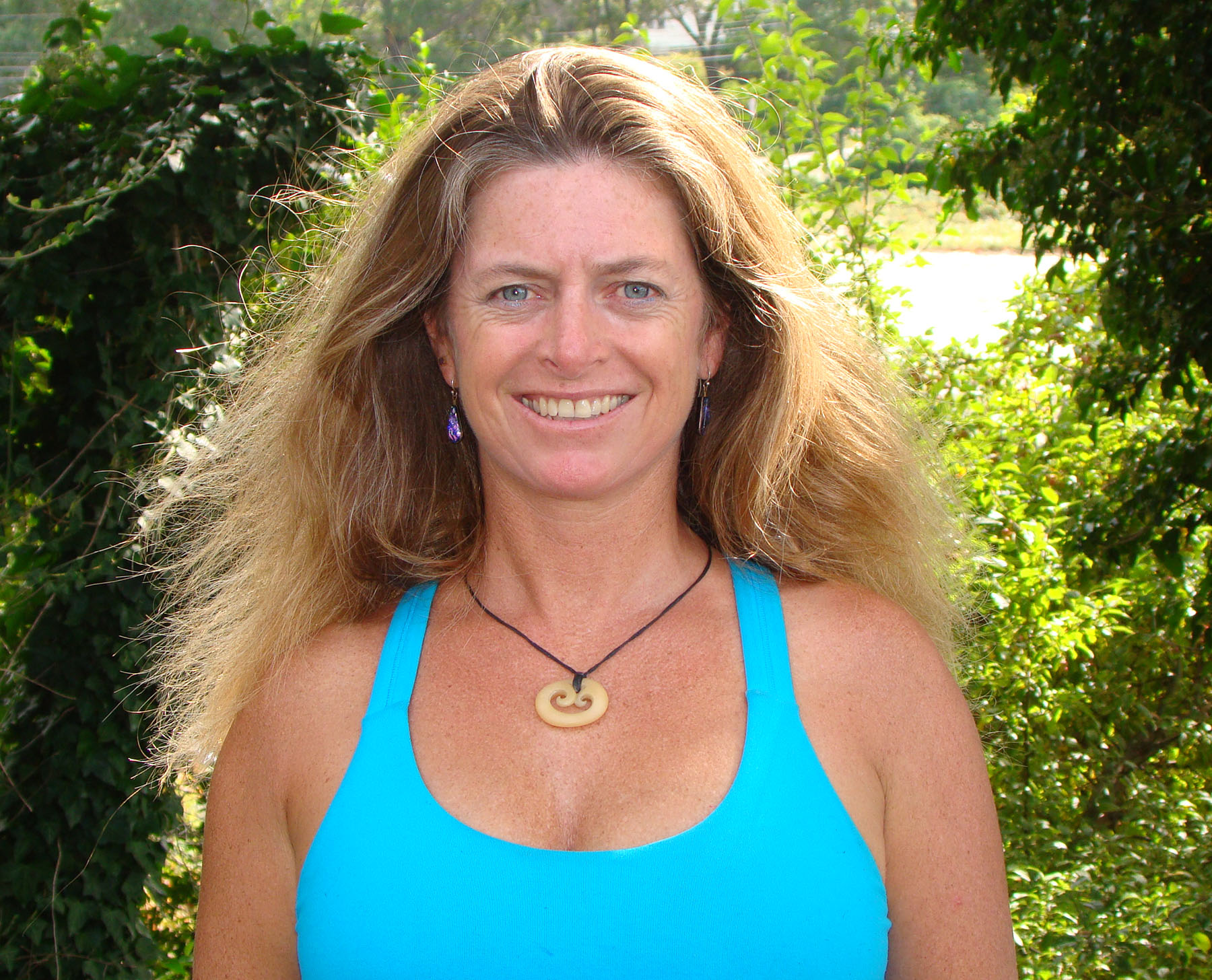
By Elaine O’Rourke

During the winter of 2005, I went from being an active, strong, 35-year-old yoga teacher to being completely debilitated, feeling like I was 100 years old and barely able to move or walk.

An extreme flare-up of Crohn’s disease resulted in a temporary ileostomy which was then made permanent after a year. I was down to skin and bones and had lost most of my muscle mass. My hips and whole body hurt when I slept as I was so skinny. There was very little that I could do. My body just needed to rest as it took too much energy for anything else.

When I began to regain my strength after my temporary ileostomy, I had a renewed appreciation for walking and what a good simple exercise it is. Just getting out for fresh air, step by step, seeing people and walking the beach. I had missed simply going to shops. Ahhh, to be able to move again, what a gift.

I had never considered going for my daily walk as a “gift” until I couldn’t do it. For many people, including myself, it’s not until things start going wrong that you realize how much you take your health for granted.

As I recovered I was able to slowly get back into my yoga practice and doing everything that I wanted to do. In fact, last year I started surfing which is now my greatest passion. It was previously the one thing I thought I could never do with an ostomy.

My point being, having an ostomy does not mean you can’t exercise or do sports. Just do them mindfully and within your limits. Taking good care of yourself is now of utmost importance. Real self-care not only addresses how we take care of our physical bodies but also how we deal with our emotions and how we think. After all, everything is connected.

Life with an ostomy has a lot of pent-up emotions, thoughts, and challenges. The physical body also holds on to memories and traumas within its cells. This is why you may experience or even hear of people who recall things when getting a massage, or you might start crying when you get bodywork done or when you are moving mindfully in a yoga class. The “feeling experience” is providing a release for these memories.

In my program “Surviving to Thriving: Overcoming Ostomy Challenges so you can Live a FulFilling Life” I focus a lot on the mental and emotional issues that occur but also on the importance of keeping active and making healthy lifestyle choices. As you journey into the New Year and decade what are the more tangible things you can do for your physical well-being? We all know that New Year’s resolutions go out the window by the second week in January, or that they never happen at all.

Instead, consider doing things that will contribute to your health and happiness and set a plan in place. If you find it hard to keep yourself motivated or don’t know where to start then reach out and contact me.

Strategy tips for self-care

1) Move your body
Buying a gym membership is useless– unless you use it! Our ancestors did not live sedentary lives, yet, these days in general, we are very attached to sitting around. Many people work at desks, sit in cars commuting and then sit on the couch to chill out! But our bodies are designed to MOVE.

Tip: Get up and walk around more, even set a chime to go off on your phone to remind yourself. As mentioned, walking is a great way to keep things moving and it’s free. Even a quick five-minute walk is beneficial. Meet a friend for a walk instead of coffee, or both! Move your arms over your head more. Add in some simple stretches. Basically, MOVE as much as you can as that is what our bodies are designed to do.

2) Food choice
If we think we are going to be “depriving” ourselves of something, then we will do anything we can to sabotage our best intentions. For example, If we say we are “giving up chocolate” then chances are we become obsessed with thinking about chocolate and our resolution only lasts a day! Your body is like a temple and keeping it healthy requires the right choices. This will affect your ostomy output, energy levels, muscles, organs, bones and joints.

Tip: Focus on adding in certain foods that you know will be healthier for you. Hint – these foods are mostly in the fresh produce sections of the supermarket. Before you eat and drink ask or even visualize how your body will respond, how your organs will feel, how well your GI tract will digest. Eat slowly, chew and enjoy your food. Notice how it affects your system, energy levels, and your ostomy output.

3) Make it fun
If you dread doing something, then it won’t get done. So find something that is enjoyable. Not everyone likes exercise or sports but there are many different ways that you can treat your body with more kindness.

Tip: Dancing is a great way to move. Maybe go out to hear live music where you can move on a dance floor, or take a dance class. Put music on at home that energizes you. Walk up and down the stairs a few more times. Use a fitbit watch as a way to incentivize yourself.

4) Schedule time for yourself
There are a lot of distractions that pop up during the day and before you know it, you haven’t done anything you intended to do and the checklist is still staring at you.

Tip: Schedule in your planner when you are going to do your (walk, fun movement, cardio class, yoga, meditation, etc.) Be consistent and try and have it at the same time and on the same days each week.

5) Know that you deserve it
There is nothing like a promise of a “treat” or “something special” or to plan out “bribery” if you do something! Self-discipline comes more naturally to some but it takes practice.

Tip: As you decide the new ways you are going to do things in 2020, also give yourself a promise of a self-care present when you complete your goals. As you try more nutritious food, exercising, moving your body (because that is what it is supposed to do) then treat yourself to a massage, tickets to a show, a work-out outfit (that you now must have because you actually enjoy exercise) a good book, and so on!


Elaine O’Rourke is the creator of the online holistic program “Surviving To Thriving: Overcoming Ostomy Challenges So You Can Live a FulFilling Life”. She is a certified Yoga Therapist & Teacher since 2003, Sound Healer, EFT & Reiki Practitioner, Recording Artist and International Retreat Leader. Her lighthearted and fun personality shines through her teachings/programs as she loves to inspire others. She is a contributing writer to the national Phoenix Magazine, presenter at the UOAA National Conference and speaker at Girls with Guts retreat.
A free guide is available: ‘3 simple ways to eliminate fears about your ostomy” by visiting Elaine’s website
www.ElaineOrourke.com
Elaine@ElaineOrourke.com
January 10, 2020
https://www.ostomy.org/wp-content/uploads/2020/01/elaine-ostomy-yoga_web-1.jpg 1253 1800 Contributor https://www.ostomy.org/wp-content/uploads/2017/02/UOAAlogofinal2.png Contributor2020-01-10 11:55:122020-01-22 12:11:25Ostomy Self-Care and Wellness Tips for 2020

October is a Good Month to Unmask Your True Self

Advocacy, Emotional Health, Ostomy Awareness, Personal

My View: By Connie Confer

Most of the nation is gearing up for Halloween, with all of its tricks and treats. But as a lesbian who wears an ostomy bag, this month also includes some more personal holidays worth celebrating, especially if we want people to feel more accepted and safe.

Did you know that Oct. 5 was Ostomy Awareness Day? Just like the more established National Coming Out Day (Oct. 11), it brings an opportunity for people to celebrate their differences and their courage as they announce, perhaps with some trepidation, that they live with certain realities. They hope their family and friends will not shy away. They hope their bosses will not fire them.

That fear is completely rational. Just this week the U.S. Supreme Court heard oral arguments in cases that could indeed decide whether someone can be fired for being gay or transgender. We will have to wait for months to hear their decision and how it will impact our laws. But in the meantime, I want to advocate for acceptance, not alienation. I want to argue that open communication creates community and reduces stigma for people in my own life circumstances.

Yes, it is tricky to navigate the reactions of the world, and it takes some courage. But the treat continues to be that we are not alone. The LGBTQ community is indeed a family, with gay pride parades in every major city, and support groups for people who want to come out to their friends or family, or for parents and other family members who want to support a gay or transgender young person navigate in an unfamiliar world.

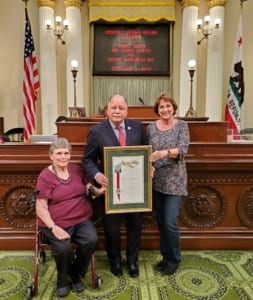
Connie Confer, left, at the California General Assembly where she has been key to getting proclamations to recognize Ostomy Awareness Day.

Similarly, my local Southern California, Inland Empire Ostomy Association, offers support and practical advice for people who find themselves facing surgery for an ostomy pouch. As do over 300 other United Ostomy Associations of America (UOAA) affiliated support and Information groups nationwide.

No wonder people worry when they hear they will be among the 100,000 people in the United States who will get an ostomy this year. The treatment for diseases such as cancer or Crohn’s almost sounds worse than the disease. People wear a pouch attached to the abdomen that holds urine or feces that must be emptied and changed regularly. It can be embarrassing to talk about it, but just the same, we must.

That surgery is life-saving. I am living proof. And the routine of wearing the pouch seems quite easy and normal to me now. I find that I can talk about it with people close to me, and that I do not feel any stigma. For others who want to get to a place where an ostomy pouch feels routine, you should consider attending a UOAA affiliated support group near you.

There is no reason to suffer in silence and there is every reason to be fully and proudly yourself, no matter what your reality. And if you are not impacted by these specific things, make sure you are supportive to friends and family who are.

Life lived honestly can be a real treat.

Carolyn “Connie” Confer served as the assistant city attorney for Riverside, California and has advocated for the LGBTQ community for decades. She was there in September when Assemblyman Jose Medina declared Oct. 5 as Ostomy Awareness Day in California in honor of the work of the Inland Empire Ostomy Association.

October 28, 2019
https://www.ostomy.org/wp-content/uploads/2019/10/Connie-Confer-e1572276406403.jpg 1762 3000 Contributor https://www.ostomy.org/wp-content/uploads/2017/02/UOAAlogofinal2.png Contributor2019-10-28 11:32:552019-10-28 11:32:55October is a Good Month to Unmask Your True Self

Yoga for Every Body

Emotional Health, Exercise/Sports, Ostomy News, UOAA Conference

By Elaine O’Rourke

As I yoga teacher I was fortunate that I had developed mind-body practices to really help with the emotional roller-coaster ride of getting my ostomy. I was 35 years old when I got my ileostomy due to Crohn’s disease. I opted to make it permanent after a year and then I made a full recovery and have felt amazing for the last 13 years.

While I was deathly ill and recovering from surgeries, the focused breathing practices helped me the most. I had complications from the surgeries so it took some time to really get back into the physical practice of the yoga poses. I had to be very mindful of any poses that stretched my scar sites. But gradually my body healed and I am able to do everything.

Luckily yoga has so much more to offer and there is something for every body. There are deep healing practices such as restorative, yin, breathing, mindfulness, meditation, mantra. The philosophy provides insights into being more aware of our thoughts and then in turn how they may be affecting our emotions and physical states.

Personally, I have gained so much insight and a much broader perspective on how to look at life. No one wants to get ill or have an ostomy but it has taught me first-hand how to be resilient, how much inner strength I have and to value my life and live it to the fullest.

I truly believe in the importance of moving the body (provided you are well enough) getting outside, breathing the fresh air, absorbing the sunlight or sitting under a shady tree is so good for us this time of year. Personally, I try and get up early in the summer months and go down the beach to walk, swim, do yoga and surf (being out early is best for my Irish skin). I also teach yoga on the beach which is a great experience.

It can be intimating to go to a yoga class and to find the right one. There is a wide variety of classes and styles. How you resonate with the teacher has a lot to do with the experience too. If you are brand new to yoga then I suggest starting with gentle, restorative or beginner yoga. If you don’t like a class or teacher then try other ones. It’s like shopping, not everything fits right and it’s the same with yoga. Do tell the instructor that you have an ostomy and you can educate them on what it is! Always empty your bag beforehand and don’t hesitate to go to the bathroom throughout the class if you feel it fill up. You want to create a comfortable environment for yourself. It doesn’t matter what other people think. If you have a hernia then make sure to wear your hernia belt and move cautiously.

I’ll be teaching Rise and Shine Yoga for Every Body at UOAA’s National Conference in Philadelphia this August. It will be a fun way to wake up and be part of this experience. Whether you are brand new to yoga or a seasoned practitioner I hope you will join me. I am a lighthearted teacher and I definitely don’t take the practice or teaching too seriously. In fact, if you can have a bit of a laugh while doing yoga then that is a bonus in my opinion!

I hope you enjoy the short yoga video of some standing poses.

ElaineOrourke.com


July 25, 2019
https://www.ostomy.org/wp-content/uploads/2019/07/Beach-yoga_web.jpg 1350 1800 Contributor https://www.ostomy.org/wp-content/uploads/2017/02/UOAAlogofinal2.png Contributor2019-07-25 16:45:022019-07-26 13:29:17Yoga for Every Body

The Support We Get From Support Groups

Colostomy, Emotional Health, Ileostomy, Ostomy Tips, Support Group News, Urostomy

Walk Through that Door and You Might Surprise Yourself


By Ellyn Mantell

There are support groups for many issues but until I, myself, was in need, I never gave much thought to what they can provide. We have seen representations on television and in the movies, and they seem to have merit, but I have learned that they can be a lifesaver, or at the very least, a way to begin to live a life.

During all of the over 20 years that I suffered from constant bowel obstructions and abdominal surgeries, I longed for others to tell me “it would be alright.” But there were no “others” to be found…nobody seemed to have what I had, and therefore, I could never ask what I could do, what did he/she do to live a fuller life? And then I had my ileostomy, and everything changed. After my 23rd abdominal surgery,  something happened that hadn’t happened before…I now had the name of something that could actually garner support, and I took to it like a duck to water!

My ostomy nurse, Angela Natale-Ryan invited me to the Union County Ostomy Support Group in New Jersey, and I was quick to take advantage. Little did I know that, fast-forward, I would find a home for myself, become president for the past five years, and go on to start other support groups. But that is only one piece of the wonderful puzzle I find myself putting together. As president, my name is given to those in need who call the American Cancer Society, or United Ostomy Association of America, or even the local hospitals. The connection I have to so many reaches into every interaction I have, since each new encounter teaches me something.

As much as we are all individuals, new members are frightened and worried, hesitant to walk through a new door, and filled with misconceptions. Letting someone know “it will be alright” because we have all been through it, is invaluable. And most importantly, we welcome each new member of the group with open arms.

At the beginning of our meetings, we go around the (ever-growing) group and say our names and type of ostomy we have, and if we are new ostomates. Additionally, I ask if anyone has any issues that they would like discussed, and we will circle back to those after everyone has a chance to introduce themselves. Our Wound Ostomy Continence nurses address the medical concerns, and we discuss lifestyle concerns with each other.

I have garnered a wealth of knowledge about the medical, the physical and daily life of living with ostomies. I also now know where to gain more information and knowledge when needed. Rarely does too much surprise me in those areas over these past five years. But I am so appreciative, and feel forever treated to the magnificence of the human spirit, as I see the emotional growth that takes place as we lean on each other for support, and I can count on that!


United Ostomy Associations of America (UOAA) has over 300 Affiliated Support Groups around the country. To find support and information near you click here. To start or affiliate an existing group with UOAA click here. 

July 17, 2019
https://www.ostomy.org/wp-content/uploads/2019/07/Ellyns-group-and-Rolf_edit.jpg 1693 2200 Contributor https://www.ostomy.org/wp-content/uploads/2017/02/UOAAlogofinal2.png Contributor2019-07-17 11:27:262019-07-18 16:32:10The Support We Get From Support Groups

Singer’s Ostomy Past Leads Him to Partner with UOAA

Colostomy, Emotional Health, Events, Ileostomy, Ostomy Awareness, Ostomy News, Urostomy

Grammy award-winning recording artist speaks out for ostomy awareness and support

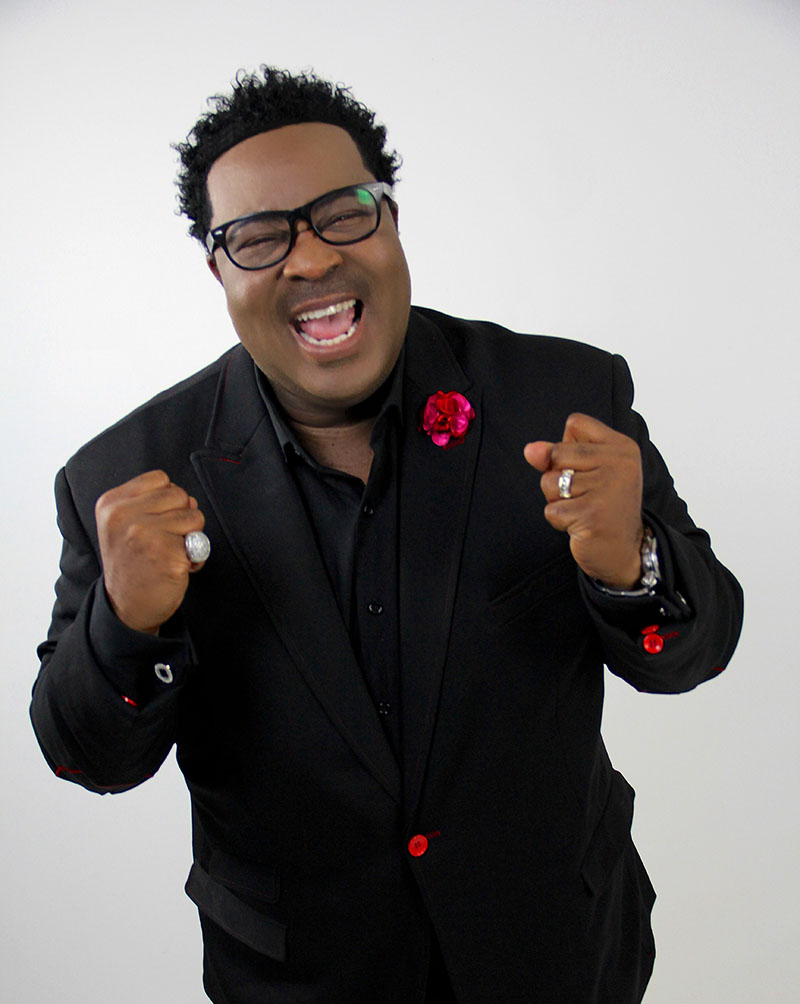
The emotions all came flowing back. While touring at a radio station earlier this year in Louisville, Kentucky recording artist Damon Little heard of the tragic suicide of a 10-year-old boy Seven Bridges. There was a part of his own story that he had just recently felt compelled to reveal for the first time ­– he too had lived with a colostomy as Seven once did.

Grammy-winning recording artist Damon Little had an ostomy as a child and is now part of an outreach effort with UOAA to promote ostomy education and awareness.

“This boy’s story was my story. The feelings of isolation and pain of endless surgeries” says Little who had an ostomy for most of his youth until a reversal at age thirteen. Though many young ostomates are now encouraged to be active his teachers and parents at the time sheltered him from sports and other children, because of his ostomy.

Earlier in the year while working on a new inspirational song “Be Alright,” he could not shake the feeling that something was missing. Still unaware about Seven’s death he was inspired to record a testimony about his past on the track. It felt like it was a natural fit for the song’s powerful message.

After learning of Seven’s death the song seemed like fate and Little also wanted to do more to help people living with an ostomy. He and his wife reached out to  United Ostomy Associations of America (UOAA) to see what could be done to help the next person in need.

Ostomy Outreach

UOAA is now working with Little to spread the news of our 300 affiliated support groups, national advocacy program, and free educational resources available to all those seeking ostomy information and support. He is speaking out live on radio interviews and on stage at events around the country. His story is already touching people and compelling them to do more.

At an appearance in Elizabeth City, North Carolina a hospital caseworker asked for UOAA brochures to share with patients and a man living with an ostomy who was at the gathering bravely spoke out about his story and in support of UOAA’s mission.

Though he is best known for his Gospel music, Little has also agreed to record a non-denominational uplifting version of his song “Be Alright.” We hope this speaks to all those who may be struggling with their ostomy or other issues regardless of their background. Look for that to be released in a few weeks with a special shout-out to UOAA.

A Famous Musical Family

Little, a native of Baltimore, got started singing when he was just five-year-old with his family group consisting of his brothers and cousins. His first recording was with his uncle the legendary Clarence Fountain of The Blind Boys of Alabama. The Blind Boys of Alabama have been celebrated around the world and played for three U.S. Presidents.

In his own music career Little has spent weeks on the top 10 gospel charts and top 30 on urban AC billboard. He has traveled with numerous national and international tours performing for audiences as large as 300,000 people.

Little’s sound has been compared to the legendary Al Green and the late Philippe Wynne, the Spinners former lead singer.

Fighting Stigmas

Little has found that the volunteers of UOAA and many in the ostomy community are equally shaken by the suicide of young Seven and want to do much more to help end existing ostomy stigmas.

By joining forces with UOAA Little wants the public to know that ostomy or continent diversion surgery can occur at any age, and that often the emotional scars take the longest to heal. “Most people with an ostomy who connect to the support and education they need live full, active, and healthy lives,” says UOAA President Susan Burns, a longtime ostomate. “Many people don’t realize that with some help they can swim, play sports, work, be intimate, and fully embrace a second lease on life.”

Little is partnering with UOAA to reach out to communities everywhere, particularly underserved populations to dispel ostomy stigmas and connect people in need with support and educational resources. He’ll also serve as UOAA’s Ostomy Awareness Day Champion on October 5, 2019. Events include the Run for Resilience Ostomy 5k that will raise awareness in nine U.S. cities.

Most importantly, Damon Little wants you to know it will “Be Alright” and to embrace the life ostomy surgery has allowed you to have.

Connect with Damon Little:

Facebook @IamDamonLittle

Twitter: @IamDamonLittle

Instagram: @IamDamonLittle

Youtube: Damon Little Music

May 16, 2019
https://www.ostomy.org/wp-content/uploads/2019/05/Damon_promo_web-e1558017800619.jpg 922 1800 Contributor https://www.ostomy.org/wp-content/uploads/2017/02/UOAAlogofinal2.png Contributor2019-05-16 11:44:252019-08-27 10:40:49Singer’s Ostomy Past Leads Him to Partner with UOAA

Intestines Are Soooooo Overrated

Emotional Health, Healthcare, Ostomy News, Ostomy Tips, UOAA Conference

UOAA conference speaker strategically uses humor to help ostomy patients

By Ed Pfueller, UOAA

If you’re a patient of Janice Beitz, PhD, RN, CS, CNOR, CWOCN-AP, CRNP, APNC, ANEF, FNAP, FAAN,  she will likely look you in the eye and know when to employ humor and when not to. If you’re in a rut you may get an ostomy joke to break the ice. “You think this bag is full of crap? You should see my bother in law,” she once quipped, breaking down all barriers for a man struggling to adjust whose brother-in-law seemingly fit the description.

Dr. Janice Beitz is a longtime WOC Nurse and educator who will speak on the power of humor and hope in emotional healing after ostomy surgery.

Ostomy surgery and chronic illness is not a laughing matter, but how you handle it can be a key to your success. It does not seem to be a coincidence that some of the most well-adjusted ostomates tend to have a sense of humor. Humor can change a negative mindset for you and those around you.

Dr. Beitz has over 40 years of nursing experience in acute, sub-acute and outpatient care settings. She’s explored the science behind laughter and health in academia and has seen it in patient settings. She will be a featured speaker at UOAA’s National Conference in Philadelphia this August.

Her talk is entitled, Intestines Are Soooooo Overrated: Psychosocial/Physiological Issues For Ostomates. She’ll discuss the social, psychological and physical issues of having a fecal or urinary diversion. The session will describe the findings from scholarly work on these areas of interest. Strategies for ostomates to achieve a high quality of life including therapeutic use of humor will be emphasized.

Dr. Beitz also teaches the next generation of WOC Nurses as the director of the Rutgers University Camden Wound Ostomy Continence Nursing Education Program (WOCNEP). Students she has taken to visit the jovial and globetrotting members of the Ostomy Support Group of Philadelphia have left in shock. “They turn to me and say these people have traveled more and have a better life than I do!” Dr. Beitz said.

“They are seriously funny,” Dr. Beitz says of the Philadelphia group led by Stanley Cooper that is always laughing and living life to the fullest.

“She is committed to her students. She is committed to all WOC nurses, and she is committed to all patients that need a WOC nurse to ensure they receive the best possible care,” Stanley remarked.

“Janice loves to have a good laugh and will supply a good laugh when she can. When she spoke to our group, she started off with a funny cartoon from a newspaper that she projected on a screen.” Stanley.

“One thing she said to me after her appearance was that she always wanted to enter a room after being introduced to KC and the Sunshine Band singing Get Down Tonight. That is the type of good spirited, happy, energetic person that she is” Stanley said.

Emotional health will be touched upon in many other conference sessions as well. A session geared toward young adults will address body image and self-confidence with an ostomy. Relationships and sexuality sessions will often center on emotional health as well. Overcoming physical challenges often comes quicker than lingering emotional ones.

For those who have not had a UOAA Affiliated Support Group experience, the peer support at conference can provide a sense of camaraderie that gives an enlightening experience for the many who still struggle with the day-to-day challenges of living with an ostomy. Caregivers are also not forgotten at conference with a session on how to cope with caregiver stress.

UOAA’s vision is a society where people with ostomies and intestinal or urinary diversions are universally accepted and supported socially, economically, medically and psychologically. Connect with us locally, online or at conference and get on a positive path.

At the conference, perhaps we can arrange to turn up “Get Down Tonight” as we welcome Dr. Beitz to give us a laugh and hope about life with an ostomy.

April 12, 2019
https://www.ostomy.org/wp-content/uploads/2019/04/Intestines-crop.jpg 993 2200 Contributor https://www.ostomy.org/wp-content/uploads/2017/02/UOAAlogofinal2.png Contributor2019-04-12 10:35:202019-04-26 16:17:34Intestines Are Soooooo Overrated

Learning to Love Your Body – Stoma and All

Colostomy, Digital Sponsor, Emotional Health, Ileostomy, Ostomy Tips, Urostomy

Following your ostomy surgery, you will no doubt have an adjustment period of figuring out your new routines and schedule. You will be learning about your appliance, how to use it, when to change it, and how it works. Although there may be frustrating and discouraging days, as you get the hang of your body and the newness of it all, you may also find yourself fascinated with your body’s adaptability. Some of the most resilient, inventive and strong people are ostomates who are changing the way people think by helping to reduce shame around ostomies as well as creating networks and communities to encourage and support others in similar situations.

Body Love

We live in a world where we are bombarded on a daily basis by media showing us advertisements of what beauty should be. The unreachable goals are already set, and then you throw in an ostomy? How in the world are we supposed to love our bodies when we feel so different? Building confidence begins with you. It begins with self-love and embracing your uniqueness. This can take time, and giving yourself the time to heal (both literally and figuratively) and come to terms with the changes and the new daily rhythms will go a long way in boosting your confidence. The great thing about confidence is that it is contagious. Others can feel it in the way you talk, walk, and are proud about yourself and your body, and when they sense it, it transforms the way they see you. This doesn’t mean that self-love is easy and immediate, but it does mean that it is a possible and attainable goal. One of the ways to lead yourself into recovery and learning to love your body is to get active. Maybe you love to run, swim, or hike in the mountains, or you’ve always wanted to join a gym but your disease was holding you back from the commitment of it. Have you always wanted to learn an instrument, or join a band? There are amazing people out there with stories of how they overcame their fears, and also how they discovered the right product for their unique lifestyle and activity.

Every body is different and being patient with yourself and your healing process is vital, especially within the first few months. While inspirational stories about others can help to normalize your situation, it is also completely normal to feel discouraged and down at times. If you are feeling extreme discouragement or hopelessness, don’t hesitate to reach out to a licensed therapist or a healthcare professional. It is important to be able to share as honestly as possible about your situation so that you can begin to move forward.

Inspirational Ostomates

If you are looking for some inspiration from fellow ostomates, there are many platforms out there with information to connect you with people and resources. Feeling like you need some encouragement in embracing your body and its changes? This video is full of helpful information as well as inspiring individuals just like you. As you begin to enter the world of other ostomates and hear their stories, not only will you be able to relate with them, you will also find that they are paving the way for others to be confident in their bodies and, in many cases, thankful for their ostomy and appliance. Maybe their stories will be the push you need to reclaim your life and find that confidence that you know you have in you. Don’t just stop there, why not become one of the inspirational stories that someone else undergoing a surgery leading to an ostomy can read about? Embrace your new life and body.

For More information, visit www.coloplast.us.

Editor’s note: This educational article is from one of our digital sponsors, Coloplast. Sponsor support along with donations from readers like you help to maintain our website and the free trusted resources of UOAA, a 501(c)(3) nonprofit organization.

March 29, 2019
https://www.ostomy.org/wp-content/uploads/2019/03/image004.jpg 624 1600 Contributor https://www.ostomy.org/wp-content/uploads/2017/02/UOAAlogofinal2.png Contributor2019-03-29 10:10:352019-03-29 15:21:19Learning to Love Your Body – Stoma and All

Intimate Moments

Emotional Health, Sexuality

By Ellyn Mantell morethanmyostomy.com

As an advocate and UOAA Affiliated Support Group Leader, I make it very clear that there is no question or concern that is off-topic for me, and I truly believe that since this is our “new normal” it is very important to be open about all aspects of our lives. The question that seems to most concern new ostomates is about their sexual interactions, and how their partner or future partners will react to their unique anatomy. Since I feel that our anatomy is so beautifully functional (as it may not have been for a long time) I encourage ostomates to look at their ostomy in the most positive of lights. Additionally, it is always my belief that intimacy begins and dwells in the mind, rather than the body.

UOAA President Susan Burns had ileostomy surgery at 36 and knows how important being open about intimacy concerns is. “This is a topic that needs to be discussed but is not addressed enough by health care professionals so it is important to read our guide, find peer-support, or a support group member that is comfortable discussing it,” Susan says.

I believe that intimacy is a beautiful gift one gives to another, and sex is only one meaningful part of the intimate moments people share. I also believe that being intimate with another is a means of communication, a sharing, of thoughts and feelings. This positive reflection of our emotions and adoration for our partner is what bolsters a relationship.

For over two decades, my body was in turmoil, and although I wasn’t faced with a pouch on my abdomen, feeling “sexy” was a transient and very much undependable feeling. Bowel obstructions, bloating, worry all interfered with a positive outlook for intimacy. Couple that with a busy life struggling to be productive in between the medical episodes, and my intestine certainly held me hostage.

My 23rd abdominal surgery, my ileostomy, helped me to begin to have a more predictable life. I am comforted in the knowledge that I function differently, but it is dependable. No longer expecting to be hospitalized on a regular basis, I am free to be productive in so many ways…support groups, motivational speaking, my writing, seeing my family and friends.

The key, however, to the conversations I have with ostomates regarding their own intimacy is to be totally candid with them. Here is what I say…if you are blessed to love and adore your partner, who loves and adores you, then you will travel the road to a joyful connection, enjoying the closeness that you share because you are able to do so. You have the ability to dance together and move together as never before, all the while knowing that your bond is even stronger than you ever thought possible. You are amongst those of us who know that intimacy, that beautiful gift we give each other begins in the mind, and the body just follows along.

Editor’s note. For a complete intimacy and sexuality guide that addresses both physical and emotional issues click here. UOAA’s National Conference in August will also have an expert session on sexuality and frank conversations on the topic for ostomates and a separate meeting space for partners.

February 12, 2019
https://www.ostomy.org/wp-content/uploads/2019/02/intimacyweb.jpg 1142 1800 Contributor https://www.ostomy.org/wp-content/uploads/2017/02/UOAAlogofinal2.png Contributor2019-02-12 12:57:302019-02-13 16:02:54Intimate Moments

Dating Life

Emotional Health, Ileostomy, Personal, Sexuality

The Black and White of it? Support is Everything.

By Tricia Hottenstein  stomamama.com

I recently shared an article about a little boy who was bullied so badly that after twenty-six surgeries, he decided to take his own life. It hit me so hard. I read it with tears rolling down my face, my heart hurting for his loved ones and my soul hurting for the things he must have felt. I read it after spending a long weekend in the hospital and after undergoing three of four surgeries in just two months. I read it knowing the hurt of bullying and the feeling of people looking at me with any variant of disgust when seeing or talking about my ostomy bag. I read it after writing and sharing what was basically a diary entry of overwhelming emotions. It is by no means comparable, but it made me think a lot about the strong support system around me. I know that my mindset is shaped so greatly by those handpicked few who always have my back and in the midst of this article, fresh in my own rehashed wounds, my gratitude for life and the way it all works out has increased. I can’t be certain I’d have made it through the last few months had they happened to me a year ago when I was already down and struggling. Support is everything.         

I’ve had an ex who was (and still is) really supportive and caring, and one who made me cry and feel worthless in a hospital room. I’ve also had an ex who couldn’t hide his lack of understanding or his overly dramatic gags when he saw me changing my bag. The embarrassment and disrespect was the exact reason why I decided to mention my stoma the very first time I met my boyfriend. I had since decided that anyone who was less than understanding would be an immediate no. I was afraid of dating with an ostomy, but I was no longer willing to feel like a burden or anything less than sexy. I would be okay being single and building myself back up on my own.

And then practically out of nowhere, I was on a date. I was nervous in spite of it going so well, or maybe because it was. I spent many moments of conversation wondering if they were the right moments to bring up the surgery. I speak so freely of my bag to everyone. I answer questions from coworkers, friends, family, and strangers without thinking twice. This is my bag; it saved my life! It is worth talking about. But how do I casually bring this up without awkwardly ending a date? What if his response wasn’t what I wanted it to be? Although, that’s the point, right? I’m old enough, I’ve been through enough. No more on the fence with anything. It is black and white and I’m not moving forward with any more gray.

“Tell me something about yourself that would surprise me.” To be honest, I don’t even remember if he eventually answered the question. All I know is he stared at me. This moment of oh shit in my mind as he was staring at me, half laughing, shocked to be put on the spot. So I just went for it. “I don’t have a colon!” More stares, more shock. I explained the scenario in a nutshell. The disease, the surgery, and the bag I’ve had for several years.

“Well… I guess…that’s kind of shitty, huh?” The words hung in the air before we both laughed. And in all honesty, my reaction to that response could have been a variable one depending on many factors. But really, how better to respond? Because I don’t want someone who will constantly feel sorry for me, or who will treat me any differently. Rather, I want someone who will make me laugh, who will be understanding and upbeat, and who will continue on with the conversation afterward as if it is no big deal. Sure, there were questions to be asked, but not a single one of them seemed to really matter. And there it was, in black and white and bar lights: this glimmer of hope.

As it would turn out, it couldn’t have come at a better time. A few short months later, I was back in hospital gowns and waiting rooms. And not once did he flinch. Not when I delivered awful news, not while he sat next to me in pre-op, not when my bag leaked in the middle of the night or I got frustrated and had tears running down my face. The reality is, most of the time I didn’t even have time to process things before he was reassuring me I’d be okay and distracting me with nonstop laughter.

When I’m in the trenches, when I’m alone, when I think too much, it is easy to go to a place of overwhelming emotions. I have spent more than half of my life with this disease, and surgery went so well that I thought the rest of my life would be smooth sailing. I was finally meeting people who had never known me as sick. It sounds so irrelevant, but it is a huge deal. I remember several years ago when a family member introduced me as “the sick one.” It was intended to be harmless. Intended simply as a way for their friend to put a face to the person they had obviously spoken of. The person undergoing IV therapy, taking twenty-some pills a day, piling up medical debt, and seeing the best physicians while still unable to leave the house most days. It cut through me and it scarred deep. But post-op, there was this moment in life where that was no longer me. Now I was strong. I was an adventurer. I was healthy.

The frustration when that all came crashing down was audible. Suddenly I was right back down to the some of the lowest points in my life. I was again “the sick one.” Somehow even when things had been slowly going downhill, I was blinded enough by the highs to be shocked when I was back to square one. I was angry. I felt sorry for myself and felt alone despite the people around me. I started to prepare myself again for the life full of battles, ready to sink back to that person who laid in the fetal position on the sofa, unable to eat or move or laugh from deep within my belly. I just kept thinking, over and over, that this is my life. I had a whole other vision for it after my ostomy surgery, but this person, right here, in a hospital room getting bad news? This is my life.

Until the person next to me, the person who responded to the news of my ostomy when we first met with a poop joke, responded with another poop joke. The kind that made me laugh so hard that all the ugly tears shook off my face. And as he wiped the remnants of them away, he reassured me. With a few simple words, he reminded me of my actual life. Reality. Yes, I am the sick one. But I’m also the healthy one. In black and white, that is my life. Some days I will be an adventurer. I’ll feel healthy, I’ll laugh, and I’ll enjoy the smooth sailing. And some days I will be sick. I’ll be a warrior. I’ll look for hope and rely on others. And their support will be everything.


UOAA Resources:

Emotional Concerns

Sexuality

Living with an Ostomy


January 29, 2019
https://www.ostomy.org/wp-content/uploads/2019/01/Dating-graphic.png 1526 2300 Contributor https://www.ostomy.org/wp-content/uploads/2017/02/UOAAlogofinal2.png Contributor2019-01-29 16:22:572019-02-23 15:46:13Dating Life

Education Amid Tragedy

Emotional Health, Ostomy News

By Susan Burns, UOAA President

It’s heartbreaking. So many of us are torn apart by the recent news that a ten-year-old took his own life in Louisville, Kentucky. What we know is that he was a kind soul, this boy named Seven Bridges, and he was a victim of bullying. His medical history is also similar to many in our community in that he had an ostomy at a young age. He had an imperforate anus and braved over 20 surgeries in his short life. His mother Tami Charles said he lived an active life with an ostomy and loved swimming and playing as all children do.

In the past year, Tami said his ostomy was reversed but he continued to have some anal leakage and he was teased and ostracized at least in part because of the smell. It is unfortunate that many early news reports perpetrated the stigma that a “colostomy bag” smells and was the reason for the bullying and his despair. Their headline choices were faulty and sensational.

Source: Seven Bridges GoFundMe Page

What we don’t know is what goes on in the mind of a young child and why Seven took the most drastic of actions. His brave parents are taking the rare step of speaking out in this most difficult time. They want other kids suffering bullying to be #SevenStrong and demand that adults take meaningful action. They want all children to understand the dangers of bullying and have already organized local benefit events and forums. We should all be teaching our children love and acceptance of all differences.

Many of you have reached out to me feeling devastated and lost by this tragedy. You are also asking what you can do in light of such sad news beyond reaching out to the family online.

I just ask that you live the mission of UOAA in your daily lives and continue to raise ostomy awareness, advocacy and education in your community. More work needs to be done to fulfill our vision of a society where people with ostomies and intestinal or urinary diversions are universally accepted and supported socially, economically, medically and psychologically.

UOAA relies on all of you in our community and specifically nurses and physicians to identify families of children who have had ostomies (and reversals) and make them aware of ostomy support resources.

Please spread the word that caregivers, parents and children are welcome at all of our almost 300 affiliated support groups nationwide. We know they may be the only parents or young people in many groups, but we have to start somewhere to build a network and provide a welcoming atmosphere to all at our affiliated support groups. Luckily there are also online support groups for families on Facebook where parents can find each other.

Several years ago we identified pediatric specific resources and education as a pressing need. It is just a start to the work that needs to be done but in the past year we released for your use:

  •  Every child matters! Pediatric Patient Bill of Rights, this is a statement of the rights to which infants, children, teens and their families should receive when facing ostomy surgery. It is a tool to empower parents/legal guardians to advocate for their child during all phases of care. These rights are meant to ensure a positive patient experience and best outcomes to achieve a desirable quality of life for the infant, child, or teen living with an ostomy and their family.
  • Our Pediatric Messages of Hope Brochure, written for parents of children with ostomies, emphasizes the lives of three adults who had ostomy surgery as children who are now living full lives and sharing their messages of hope. You can email oa@ostomy.org for copies. 
  • We also released our Pediatric Ostomy Resources document with links to support organizations, educational resources and teaching/comfort items such as the Awesome Ollie Ostomy Bear.

Online our Ostomy 101 infographic, emotional concerns after ostomy surgery, and surgery-specific ostomy guides are available to caregivers, parents, teachers, and school nurses and administrators.  Our New Ostomy Patients guides are mailed for free to all who need them. Let’s work to get these into the hands of those in need.

We have decided this year to also provide space for families to come together for peer-support and education at our 7th National Conference in Philadelphia in August. The dedicated pediatrics track will feature medical professionals from the Children’s Hospital of Philadelphia. Adults who have had ostomies since childhood such as model Jearlean Taylor will also be speaking to those gathered. In addition, our conference will have a session on the critical issue of emotional healing after surgery and will provide time to develop personal connections with other families.

We also support other organizations beyond UOAA. For years many of our affiliated support groups around the country have raised funds to send children to Youth Rally. This is a wonderful camp for children who have or one day may need an ostomy or intestinal/urinary diversion. We will continue to support their important mission and others in every way we can.

Now is a time of sadness but also a time to recommit to ostomy awareness to fight harmful stigmas. We can all educate not just on Ostomy Awareness Day but in your daily lives. Tell your story in an honest way. Point people to trusted ostomy resources online, speak out against bullying and injustice. Make a personal connection to the person distraught over the prospect of ostomy surgery in a social media post. Certify as an ostomy visitor. The list goes on, and the volunteers, board and staff of UOAA are here to help you change the life of the next person in need. Seven’s parents are speaking out and do not want his death to be in vain, and neither do I.

Our deepest condolences go out to the family and friends of Seven. We can’t even imagine the heartbreak and sadness you must be feeling from this tragedy.

Suicide Prevention Resources

Ostomy Support Resources

January 24, 2019
https://www.ostomy.org/wp-content/uploads/2019/01/seven-story-web.jpg 1068 1600 Contributor https://www.ostomy.org/wp-content/uploads/2017/02/UOAAlogofinal2.png Contributor2019-01-24 16:41:402023-05-09 09:47:40Education Amid Tragedy

Understanding the Emotional Impact of Ostomy Surgery

Advocacy, Emotional Health

Expect More – Take Control of Your Health Care 

Part 6 in Series


By Joanna Burgess-Stocks and Keagan Lynggard-Hysell


There are many different emotions you may experience as a new ostomate, and it is important to understand that physical and emotional healing after surgery may follow different timelines. We understand that everyone copes with emotions differently. Some people struggle for a long time. Whether you would like to seek individual support from a social worker, therapist, or other medical professional or prefer support from a peer mentor or by attending a local support group; understanding the emotional impact of ostomy surgery and receiving the appropriate support is an important part of taking control of your health care.


Witnessing the Emotional Impact- a WOC Nurse’s Perspective

“Hello, my name is Joanna.  I am here today because I am your ostomy nurse”.  

I have repeated that sentence hundreds of times over the last 12 years. I am in the unique situation in that I am meeting you at a pivotal moment in your life, heading in a direction you might never have imagined–facing ostomy surgery. During that initial encounter I am sometimes met with a blank stare, a stunned look of fear and dread, or with complete relief.  Whatever the reaction, I am the person that is there to help you navigate the world of living with an ostomy. I take great care during that initial visit to meet you where you are emotionally, knowing that this is a sensitive topic for you, someone who most likely is not used to talking about the way you go to the bathroom. Soon, however, I will share with you that I too am an ostomate (person living with an ostomy) and have been one for 53 years since the age of three!  As I leave you that first day, I finally see a glimmer in your eyes–hope! A sign that maybe this journey is possible and that you are not alone.

As an ostomy nurse, I have had the opportunity to meet patients in a variety of settings and have worked with hundreds of patients facing ostomy surgery whether it be from cancer, bowel or bladder diseases or from emergent situations.  No matter the reason, the anticipation of ostomy surgery is a step into the unknown and can compound the anger, sadness, and fear about the medical condition that caused you to need an ostomy. As you face these multitudes of feelings and adjust to life with an ostomy, know that you can take control of what may feel like an uncontrollable situation.


Facing the Emotional Impact- a Patient’s Perspective

“Good morning Keagan, today a special nurse is going to come and teach you how to care for your ostomy and help with your first bag change.”

A special nurse?–I thought to myself. Why do I need a special nurse to show me how to take care of my pouch? I had so many questions, a multitude of emotions, and I was feeling overwhelmed. So many things were out of my control, my recent diagnosis of Crohn’s disease, my hospitalization, my surgery, and now the responsibility of caring for my ostomy. I felt helpless and was eager for some independence in managing my body.

My WOC nurse entered the room and introduced herself with a smile. As she sat beside my bed listening to my fears and frustrations she explained how we were going to change my pouch. In an attempt to gain some independence, I told her that I wanted to take the pouch off myself and as I lifted the edge of the barrier just enough to see the edge of my stoma and the few black stitches poking through my skin– I lost it. I didn’t want to do it anymore, any of it. I didn’t want my insides on the outside, I was scared of my own body. My WOC nurse stepped right in with encouragement and support and a perspective I will never forget. She said she understood that what I was going through felt unmanageable but that caring for my stoma was something that would allow me to be self-sufficient, and that changing my pouch would give me independence in caring for my health. Since my very first pouch change, I have been encouraged to shift my perspective and to be proactive in the areas of my care where I can take control.


Seeking Individual Support

It is important for you to seek the resources needed to understand and work through the emotional impact related to ostomy surgery. It can be very helpful to have someone affirm your emotional concerns as you adapt to life with an ostomy. Most will find their path to acceptance as they physically begin to feel better and become comfortable with the care of their ostomy. If you are struggling with depression, how to tell others about your ostomy, or any part of the adaptation process (including the lack of will to learn self-care), seeking support through counseling can help you address these struggles. A licensed professional has the skills to help you create the life “tools” you need for navigating the unknown, including fears of introducing your ostomy into a new or existing relationship, addressing body image challenges, or understanding the grieving process. You can speak with your physician for a referral if needed.


Finding Support in Others

The fear of the unknown can often be soothed by learning from those who have gone through a similar experience. UOAA has approximately 300 Affiliated Support Groups throughout the United States, providing the opportunity for you to connect with others within your community who have also undergone ostomy surgery. To find a local support group near you, visit UOAA Support Group Finder. If you would like to connect with others but prefer to do so through an online format or from the comfort of your own home you can join a Virtual Support Group. Another way to gain support is through an ostomy mentor. Ostomate Lois Fink describes in her book Courage Takes Guts; Lessons Learned From A Lost Colon, meeting her mentor for the first time at a restaurant. The mentor was wearing a very slim dress and Lois felt perplexed, trying to figure out where she was hiding her ostomy pouch!  Lois learned that she could be the same fashionista that she always was while wearing an ostomy pouch and it helped her face her ostomy surgery with more strength and confidence.

To learn how to connect with an ostomy mentor, many UOAA Affiliated Support Groups have certified visitor programs or you can contact UOAA for a list of current ASG visitor programs at 1-800-826-0826.  


Our Hope for New and Struggling Ostomates

It is the hope of all of us at UOAA that one day you will be able to look at your stoma and see it as something that was life-altering and maybe even life-changing, but it was also life-giving. Be patient with yourself as you journey through both the physical and emotional healing process and be sure to utilize the available resources to support you every step of the way.


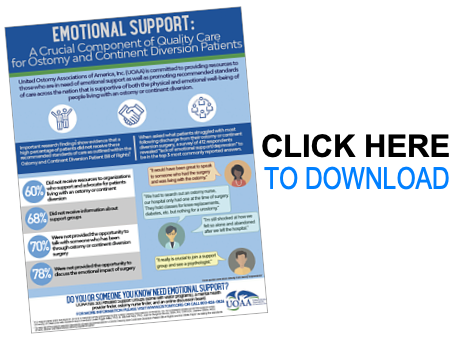
Crucial Role of Emotional Support – Infographic

Emotional Support Infographic


Additional Information & Support

UOAA has developed several tools to help you navigate through various informational topics at your own pace. To help better understand what ideally should happen before and after ostomy surgery we have developed the Ostomy and Continent Diversion Patient Bill of Rights. To learn some of the common “ostomy lingo” you can refer to our blog Know Your Ostomy and Know Your Ostomy Pouching System and Supplies. Complete the accompanying checklists and keep them handy for your ongoing ostomy care.

As a new ostomy patient, you may have concerns or face many unknowns. UOAA provides resources to answer these frequent concerns and questions to best equip you in living with an ostomy. Here are a few of the ostomy educational resources available at ostomy.org:

  • Do you have questions or feel unsure where to begin? Check out UOAA’s Frequently Asked Questions and New Ostomy Patient Guide
  • Curious about travel?  Air Travel Tips from UOAA and the TSA
  • Interested in swimming? UOAA Swimming Toolkit
  • Questions about diet? Ostomy Nutrition Guide
  • Worried about intimacy? Ostomy and Sexuality
  • How to Find a Mental Health Provider After Ostomy Surgery


December 4, 2018
https://www.ostomy.org/wp-content/uploads/2018/12/support-stock_web.jpg 944 1600 Contributor https://www.ostomy.org/wp-content/uploads/2017/02/UOAAlogofinal2.png Contributor2018-12-04 10:01:042021-12-27 13:38:13Understanding the Emotional Impact of Ostomy Surgery

Reach Out and Touch Someone

Advocacy, Emotional Health, Personal

The Benefits of Giving Back In Spite of Your Health Challenges

By Lynn Wolfson

We all want to feel like valuable members of our community. However, many times we are held back by personal issues, lack of time or just a complete lack of knowledge on how to contribute to help others. For those who have not had the experience, they do not know the emotional elation that one gets by helping others.

Let me tell you a little about myself. I was born with a genetic disease that prevents my digestive track from functioning as it should. Consequently, I am fed through my heart (Total Parental Nutrition), I defecate into a pouch attached to my abdomen and I catheterize to urinate four times a day. All of this medical equipment did take me years to accept and learn to take care of on my own. However, once I learned, accepted and had my independence back, I wanted to give back to my community.

I started by participating in my local UOAA affiliated ostomy support group. I attended national ostomy conferences and met many people who also had ostomies. I then joined the Digestive Disease National Coalition in Washington, DC and learned how to lobby for Bills which are needed for the digestive disease community on Capitol Hill. There I met many people active in the digestive disease community and joined The Oley Foundation.

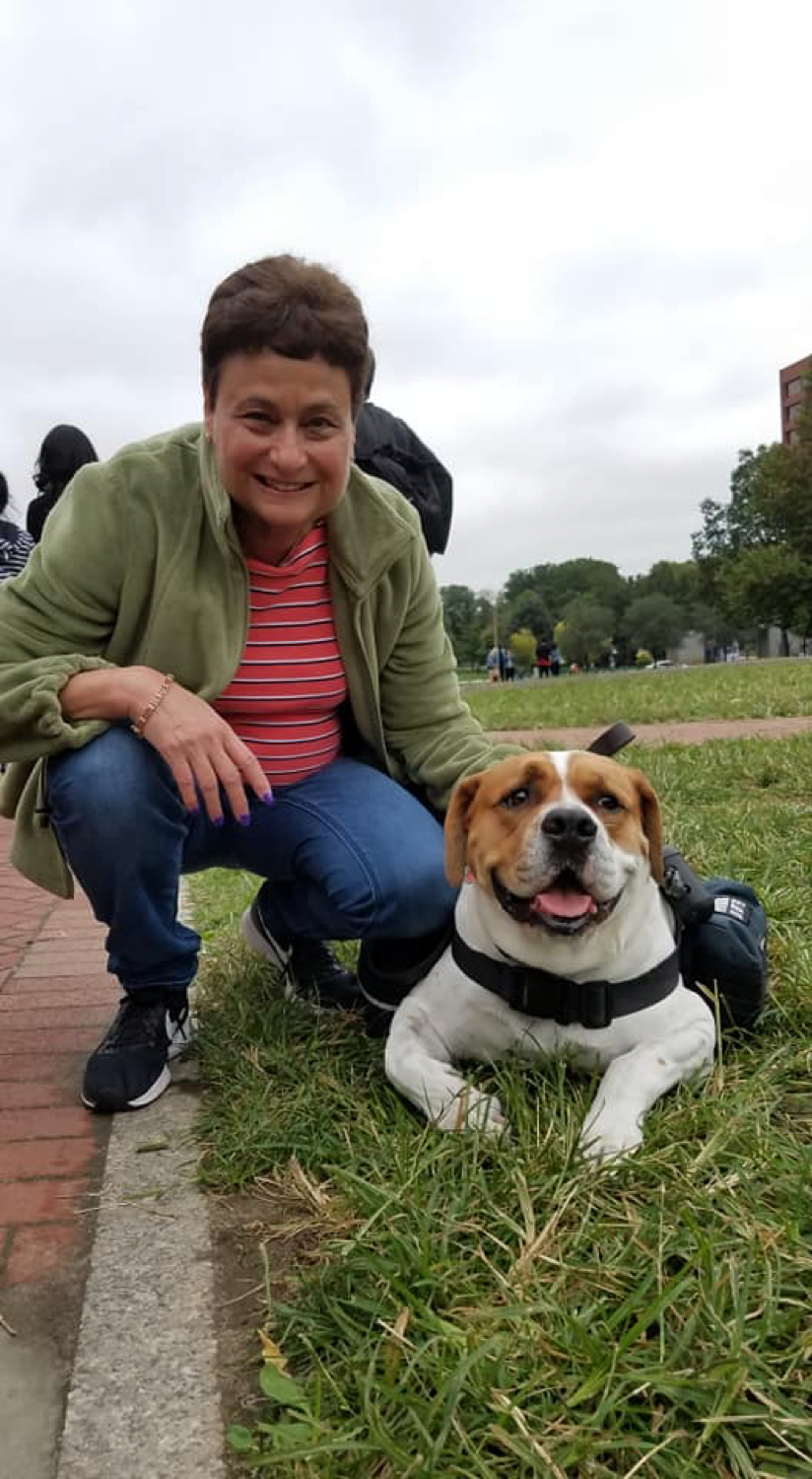
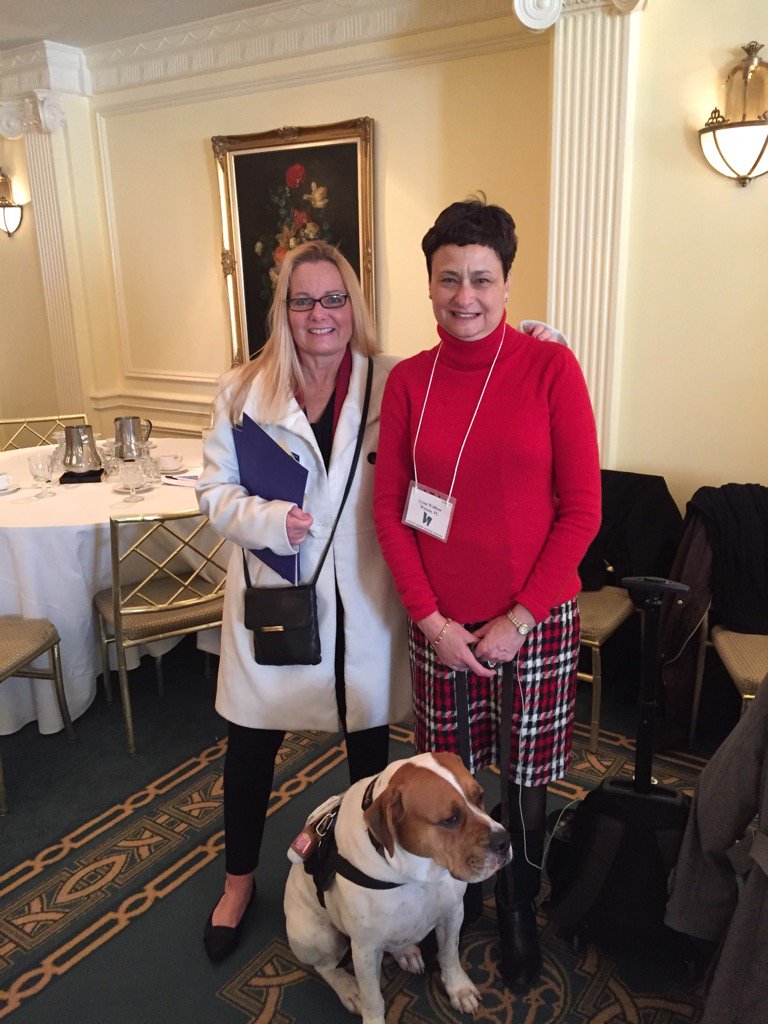
Lynn Wolfson is assisted by her service dog Zev as she travels for advocacy and conferences around the country. Lynn has battled Hirshprung’s disease since childhood.

After several years of attending national conferences with the United Ostomy Associations of America, The Oley Foundation, and The Digestive Disease National Coalition, I decided to create my own support group. I named it: The Weston Ostomy Tube Feeding Group. The group meets monthly from August to May and discusses many important issues regarding people with ostomies and enteral/parental patients.

Then I decided I wanted to help my local community. I started going to the Jewish Community Center and learning how to knit hats for cancer patients. I had not knitted since I was a little girl. I was not too optimistic since I have tremors. However, the ladies in the group taught me how to knit on a loom. I now make beautiful hats which I donate weekly to cancer patients. I was really feeling proud of myself.

One week there was a senior fair in the ballroom at the JCC while I was in my knitting group. I took a break from my knitting to go and check out the senior fair. While walking around the fair, I saw “Jet Express” and I stopped and asked about it. I was told that this was a service which the Goodman Jewish Family Services provided to seniors for $100 a year. The service is to pick up seniors and to bring them to medical appointments, shopping or social engagements. They needed volunteers to pick up these seniors. This sounded like fun to me. I called up Pam at Jet Express and signed up.

Since signing up, I have enjoyed taking seniors to medical appointments, the beauty salon, shopping or just spending the afternoon with a senior going wherever they would like. I find the seniors so interesting. I have one senior that has lived in Florida since the 1950s and she tells me what South Florida was like when she first came. Some seniors are here alone. Their children live out of state and they are lonely. I have one senior who I take out to lunch weekly. I find I learn so much from these seniors and I bring them home so happy. As happy as they feel, I always feel happier that I could do this for them.

Left, UOAA Advocacy Manager Jeanine Gleba with ,right, Lynn Wolfson taking part in the DDNC Day on Capitol Hill.

I then found out about The Cupboard – the kosher pantry which services individuals or families who cannot afford groceries, and Holocaust Survivors. The Cupboard is also part of the Goodman Jewish Family Services. I go to the Cupboard weekly to take grocery orders from the clients and help deliver the groceries. Since I cannot carry due to my medical equipment, I have a partner who can carry the groceries when I am delivering. I do the driving. Again, I really enjoy meeting and talking with all the clients. They are so appreciative of everything we do for them!

Many of the clients who are having a difficult time, emotionally, physically or financially are so elated when they see us, as they know they are not alone. I know for myself, that each one of us was given a “deck of cards” on life and there is no one that has received a perfect deck. We all have “rotten” cards. Those people that can overcome these “rotten cards” will be the most successful and happiest. However, as humans, we all need a hand in helping us to overcome our individual challenges.

Once we can master our personal challenges, there is no greater joy than giving back to others. Helping others helps each of us to love life even more and appreciate our individual gifts. Life is a matter of attitude. Those with a positive attitude can not only overcome their own challenges but also help others do the same.

November 21, 2018
https://www.ostomy.org/wp-content/uploads/2018/11/Lynn-2.png 650 974 Contributor https://www.ostomy.org/wp-content/uploads/2017/02/UOAAlogofinal2.png Contributor2018-11-21 10:59:112018-11-21 10:59:11Reach Out and Touch Someone

I Just Need a Moment- Taking a Break from the Expectations of Ostomy Life

Emotional Health, Personal

By Tricia Hottenstein

The problem with being strong is that people expect you to always be strong. When your body has been put through so much, people expect it to willingly fight through anything. After life hands you a few too many lemons, you’re expected to just make an extra-large lemonade. The problem is, sometimes I can’t be strong. Sometimes I just don’t want to be.

When I get a new diagnosis or the old one flares up, I don’t always react with immediate strength. When I wake up to a leak or suffer through an obstruction, I don’t always react with immediate strength. When I need to call off work or cancel with friends and feel like I’m letting people down, I don’t always react with immediate strength. And sometimes, my lack of strength is why I need to cancel. Because it is damn exhausting sometimes. Dealing with life, dealing with an ostomy. Dealing with doctors and tests and medicine. With random pain or nausea. With what seems like a constant cycle of bad news after the last bad news. Dealing with an independent and stubborn 5-year-old when I’m not at my best. It’s exhausting.

And I just don’t want to be strong. I want to slump down in my seat and sob. I want to be needy, and helped. Most of the time, I feel like the benefit to

The author gets some much-needed self-care that is so important in life with an ostomy or chronic disease.

this life is that it made me a better person, a better friend. I can support someone through their hard moments because I’ve been through enough of my own. I may not be the most compassionate person in the world, but I will be there. For even an acquaintance. I will help anyone I can, however, I can. But the downfall is that sometimes I want to be the person on the other end. I give my strength to so many other people, yet for the most part, I feel I rely mostly on my own. And most of the time, I am strong enough for that to be possible.

Although I always think I’ve had this strength, having an ostomy made it necessary to rely on myself. By the time I had the surgery, I learned what I could and couldn’t eat. I had to self-navigate my triggers and try to make sense out of them. Oftentimes, I needed to coordinate doctors with specialists and be competent enough to fill in the blanks of my medical history. Mainly, I just had to deal. With the embarrassment, the unpredictability, and the often crippling pain. And then I had surgery, and had to be strong all over again. I had to relearn what I could and couldn’t eat and figure out all the tricks for keeping my ostomy happy. The learning curve was a tough one. Sure, there are support groups. But this is also an individual journey and I needed to be self-sufficient and strong.

But mid-meltdown? I am not. I want to be weak. I need to take a moment to feel sorry for myself. I do not want to hear about how I can beat anything because my body has already tackled everything else. I need to cry and process all the thoughts swirling in my head. I need to feel frustrated at the nonstop barrage of crap being thrown at me. I need to let my shoulders fall and my eyes sink. I need someone to be there for me the way I hope I would be there for them. I just need a moment. Because honestly, I AM strong. And I am damn proud of it. I try to be positive and handle things with composure and as much grace as my body (and personality) can put forth. And once I stop feeling sorry for myself, I will stand up and shake off and go forward and tackle everything on my plate with a vengeance.

I just need a moment.

More on Emotional Health

September 10, 2018
https://www.ostomy.org/wp-content/uploads/2018/09/Alone-blog.jpg 629 1200 Contributor https://www.ostomy.org/wp-content/uploads/2017/02/UOAAlogofinal2.png Contributor2018-09-10 13:14:072018-09-12 15:18:07I Just Need a Moment- Taking a Break from the Expectations of Ostomy Life

Body Image and the Ostomate

Emotional Health, Personal

From Imperfection to Perfection

By Ellyn Mantell

My parents came in two different sizes…my father was extra large and my mother was narrow and slim. While it is not unusual for a daughter to model after her mother, I would say that my modeling was extreme. My mother not only was very weight conscious, she was very rigid and restricting of food and drink, and binging was a big part of her life, and as I found out later, unnamed bulimia. Her daily guidelines for foods to be consumed had a critique that usually ended with “remember, Ellyn,” she would repeat, “a moment to the lips, a lifetime to the hips!”

Blueberries, watermelon, and oranges were on her DO NOT EAT list since they had too much sugar. Meat, potatoes, breads were all annotated with what could just as easily have been a skull and cross bone. So as long as I followed her dictum, I would be narrow and slim like her, or so I thought. The problem was, however, that although I inherited her very narrow and slim upper body, I inherited my father’s larger and rounder lower body. Regardless of how much I tried, I was never to be lithe in my legs and hips. College not only brought the “freshman 15,” it brought anorexia and eventually, bulimia. So I lived with an eating disorder that lasted for years, and the reality of body dysmorphia that plagued me for decades. And now, as an ostomate, I am finally grateful and humbled by my beautiful body…because it is an incredibly resilient organism and I am so proud to own it!

For over two decades my strong little body fought through surgeries, hospitalizations, PICC lines, infections, abscesses and lack of bowel motility. And yet, regardless of my physical state, I would expect it to be thin and attractive, fitting into whatever garment I wanted to wear. I never questioned its strength, its ability to weather weeks in the hospitals or the most grueling of tests and procedures. It was never an issue of can I travel alone to Rochester, Minnesota to the Mayo Clinic by myself and stay for two weeks to have bowel retraining. I just wanted to be certain I could exercise, eat “normally” and not put on weight. Regardless of how many scars I had down and across my abdomen from 23 abdominal surgeries, the goal was to fit into my clothes and like what I saw on the scale. Enduring an enteroclysis study (a wire inserted down the nose to be able to see into the small intestine) I steadily focused on what I would allow myself to eat once I was finished. In retrospect, my expectation of my infirmed body to be perfect was abominable, and I would never, ever support anyone I love put that expectation on their body.

And then four years ago, I had my ileostomy, and suddenly, my now very obedient body gave way to an imperfection I was forced to acknowledge. The first time I saw my reflection in the mirror after the surgery, I was horrified. My high-output bag, which is transparent, was reaching down my short frame to my right mid-thigh. But after the shock of my appliance and pouch, I began to relax and look at the possibility that I could have a new life, free of hospitals, surgeries and worry. I began to see the beauty in my stoma, and named it, as many do. Her name is Lily because my mother, Lillian, gave me my first life, and Lily has given me my second.

No longer striving toward an unrealistic goal, I am no so proud of the ability I have to live and love my life. My little body is strong enough to advocate for others; it is strong enough to lead my support group; it is strong enough to visit those suffering in the hospital, and it is strong enough to start a grassroots movement to open our ostomy center, one of the few in New Jersey! On a personal note, I am strong enough to enjoy my beautiful family, my wonderful circle of friends and celebrate each and every day. And I have learned that perfection may never really have been a possibility for me or others, but imperfection makes me very, very happy!

August 14, 2018
https://www.ostomy.org/wp-content/uploads/2018/08/bpdy-image.png 315 560 Contributor https://www.ostomy.org/wp-content/uploads/2017/02/UOAAlogofinal2.png Contributor2018-08-14 11:18:352018-08-14 11:18:35Body Image and the Ostomate

Beauty and the Ostomy: Total Skin Health

Emotional Health, Ileostomy, Nutrition, Ostomy Tips, Skin Care

Skin Hydration Beauty Tips for Living with an Ileostomy

BY ELLYN MANTELL

As a self-avowed makeup and skin care junkie, I strongly believe that looking good is greatly related to feeling good. In fact, makeup and attention to my skin has helped me to get through the years of misery that led to my eventual ileostomy four years ago. As I reflect back, I remember asking my husband to search my handbag for lip gloss when visiting me in the hospital with peritonitis, as soon as I was brought into my room post-surgeries and the like. As soon as I felt well enough to walk around my house, I was applying my skin care regimen and blush, so everyone knew I was fighting my way back. My suitcase, always at the ready for another surgery, contained my stash of the perfect lip color to brighten my pale face for visitors, including my physicians making early morning rounds. Somewhere along the way, I recognized that my ability to heal had a great deal to do with the colorful smile I could put on my face!

It is my belief that although we ostomates can live a very full and fulfilling life, some things will just take a little extra attention, and looking our best may be one of those areas. With that in mind, I am planning on contributing information about beauty and fashion, and have named my blog/post/column Beauty and the Ostomy! Look for it in the next Phoenix Ostomy Magazine. In our case, the ostomy is not “the beast” but the beautiful incarnation of our body to heal itself and our spirit, and our appreciation of our stomas is parallel to Belle’s appreciation for her Beast!

What does an ostomy do to our system that impacts our facial appearance, you may be wondering? I believe that our loss of fluids, particularly for ileostomates, is major, so we need to talk about moisture and hydration. Although I am always looking for new products to rejuvenate and enhance the aging skin, I am very aware that all ostomates need to be mindful of how to get well-needed moisture and hydration into the skin, regardless of our age.

From childhood, my skin has always been on the dry side, and I accepted that reality into adulthood. But a very lovely aesthetician informed me that with proper treatment, I could have much healthier skin, since skin that holds moisture, has more of a chance of fighting illness. The glow of healthy skin reveals a canvas ready to be painted or just admired by itself. Whether valid or not, I became determined to make some important changes, and I truly believe good skin care yields results, and that is wonderful!

How Do We Absorb this Very Valuable and Sometimes Unattainable Moisture?

Like anything worth doing, there are steps to absorbing moisture. First, we must drink lots of fluids, primarily water. Many beverages do not add hydration, and may even leach hydration from our bodies. Some believe coffee, tea and soft drinks are culprits. I believe, however, that in moderation, they are fine, as long as lots of water is added to the daily diet. I love hot water, with or without lemon, and drink it all day, along with cold water, with or without lemon. UOAA’s Diet & Nutrition Guide even has recipes for hydration drinks and more ostomate specific information. You may be interested to know that fatigue is lessened, especially midday, by binging on water, rather than a fattening treat.

In caring for our skin, ostomates should use a gentle cleanser most nights, but 2-3 times a week, an exfoliant is a great addition to the routine. The exfoliant can be chemical (vitamin c or acids) or natural, such as grainy or mealy. The skin will glow and the new soft skin will let you know your skin is ready to receive moisture!

Serums are a vehicle of introducing treatment to the skin, and can add vitamins, minerals, usable acids, etc. Every day I read more and more about the addition of serums to beauty regimens, and since they are light and easy to apply, I use them morning and night.

Next, we need to use moisturizing products, and there is a myriad from which to choose. Lotions are lightweight, and wonderful for younger skin, which requires less hydration and may be producing much-needed oils, whereas creams are recommended for the aging skin.

Lastly, sunscreen every day, and oh, by the way, sunscreen, even when it is cloudy! The debates go on about what is the appropriate designated number of SPF (Sun Protection Factor) but my sources tell me 30-70 is best, taking into consideration that any less than 30 isn’t worth the product, and any higher number than 70 is just loading on more chemicals. And if we are in the sun for a long period of time, we should reapply as the day goes on. Be sure to wash off sunscreen and all makeup before bed, apply a night cream for optimal hydration…and let your skin breathe and rebuild during sleep!

(editor’s note: Peristomal skin issues are a whole different issue beyond beauty regiments and critical to medical wellbeing the link above has more information on that topic.)

Please write to me at ellynmantell@aol.com with any beauty and fashion questions you have. I am very interested in what interests YOU!

May 9, 2018
https://www.ostomy.org/wp-content/uploads/2018/05/beauty.jpg 400 712 Contributor https://www.ostomy.org/wp-content/uploads/2017/02/UOAAlogofinal2.png Contributor2018-05-09 15:15:072021-02-24 13:11:31Beauty and the Ostomy: Total Skin Health
Page 4 of 41234

Our Categories

Advocacy (79) Body Image (3) Caregivers (21) Colorectal Cancer (19) Colostomy (141) Continent Diversions (8) Digital Sponsor (79) Disaster Preparation (4) Emotional Health (63) Events (32) Exercise/Sports (49) Fashion/Clothing (11) Healthcare (23) IBD (57) Ileostomy (189) J-Pouch (8) jejunostomy (7) Membership (3) Nutrition (19) Ostomy 5k (20) Ostomy 5k (16) Ostomy Awareness (55) Ostomy Basics (56) Ostomy News (96) Ostomy Nurse (14) ostomy reversals (13) Ostomy Supplies (3) Ostomy Tips (95) Ostomy Videos (4) Patient Stories (102) Pediatric Ostomy (5) Personal (67) Sexuality (12) Short Bowel Syndrome (17) Skin Care (10) Social Life (5) Support Group News (13) Support Resources (16) Teens (4) Travel (12) UOAA Conference (18) UOAA History (3) UOAA Volunteers (5) Urostomy (113) Young Adult (9)

Support Us:

Your Donation Funds UOAA Educational Programs:

DONATE TODAY
SUSTAINING GIFT
BECOME A MEMBER
UOAA E-NEWS SIGN UP
Get updates on events, national advocacy and important topics in the ostomy and continent diversion community.

Contact Us


United Ostomy Associations of America
P.O. Box 2293
Biddeford, ME 04005-2293

Virtual Ostomy Clinic

Contact UOAA

Donate Your Supplies

Call us toll-free at: 1-800-826-0826.
Our Information Line hours are Monday-Friday, 9am to 3pm EST. If you have an emergency, please dial 911 or contact your local medical professional.

Please understand that UOAA is a private, nonprofit, advocacy and informational organization. We are not a medical facility and we do not have medical or legal professionals on staff. Therefore, UOAA does not provide Medical, Mental Health, Insurance or Legal Advice. Visit UOAA Virtual Ostomy Clinic provided by The Wound Company for non-emergency, virtual ostomy support.

Privacy Policy

Get Involved

UOAA is the leading organization proactively advocating on behalf of the ostomy community. Recognizing that we are always stronger together, we encourage everyone to get involved by joining our Advocacy Network. We’ve also created several Advocacy Tools and Resources to help you successfully advocate on behalf of the ostomy community to ensure every ostomate receives quality care.

UOAA Run for Resilience Logo

UOAA does not and shall not discriminate on the basis of race, color, religion (creed), gender, gender expression, age, national origin (ancestry), disability, marital status, sexual orientation, or military status, in any of its activities or operations.

Digital Health Award
© 2005-2026, UOAA. All Rights Reserved l Design by Tap House Media
  • Link to Facebook
  • Link to X
  • Link to Pinterest
  • Link to LinkedIn
  • Link to Youtube
  • Link to Mail
  • Link to Instagram
Scroll to top Scroll to top Scroll to top