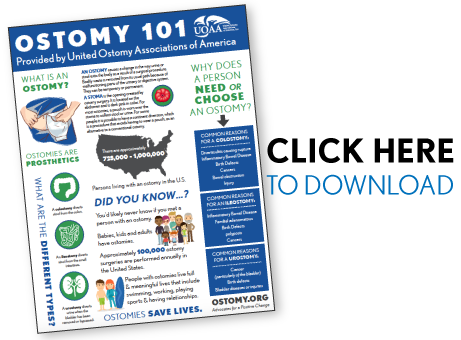
What Is An Ostomy?
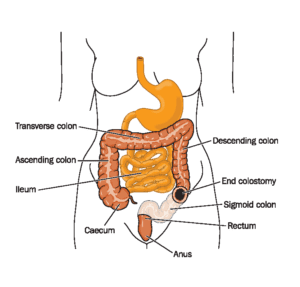
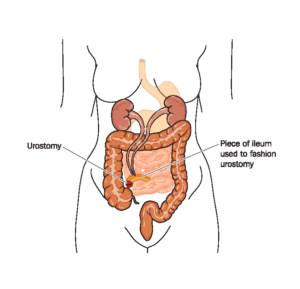
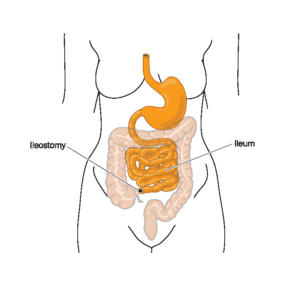
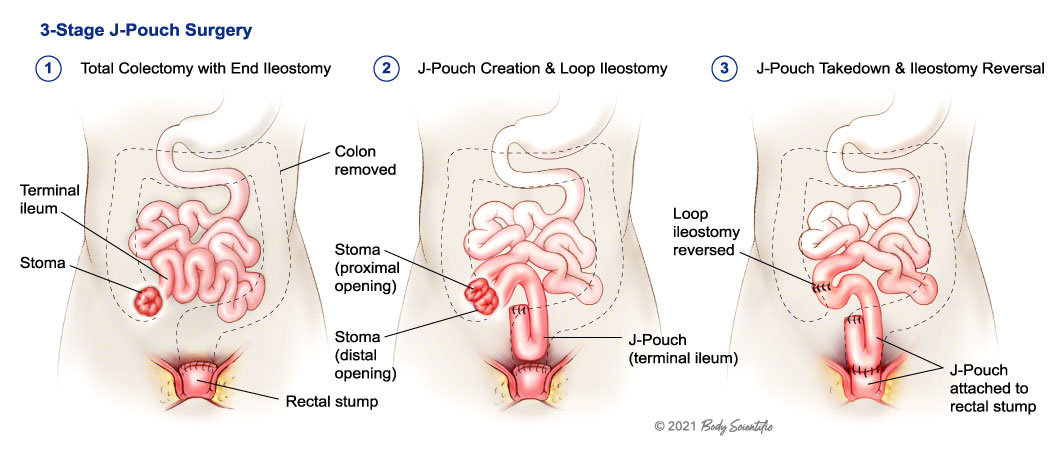
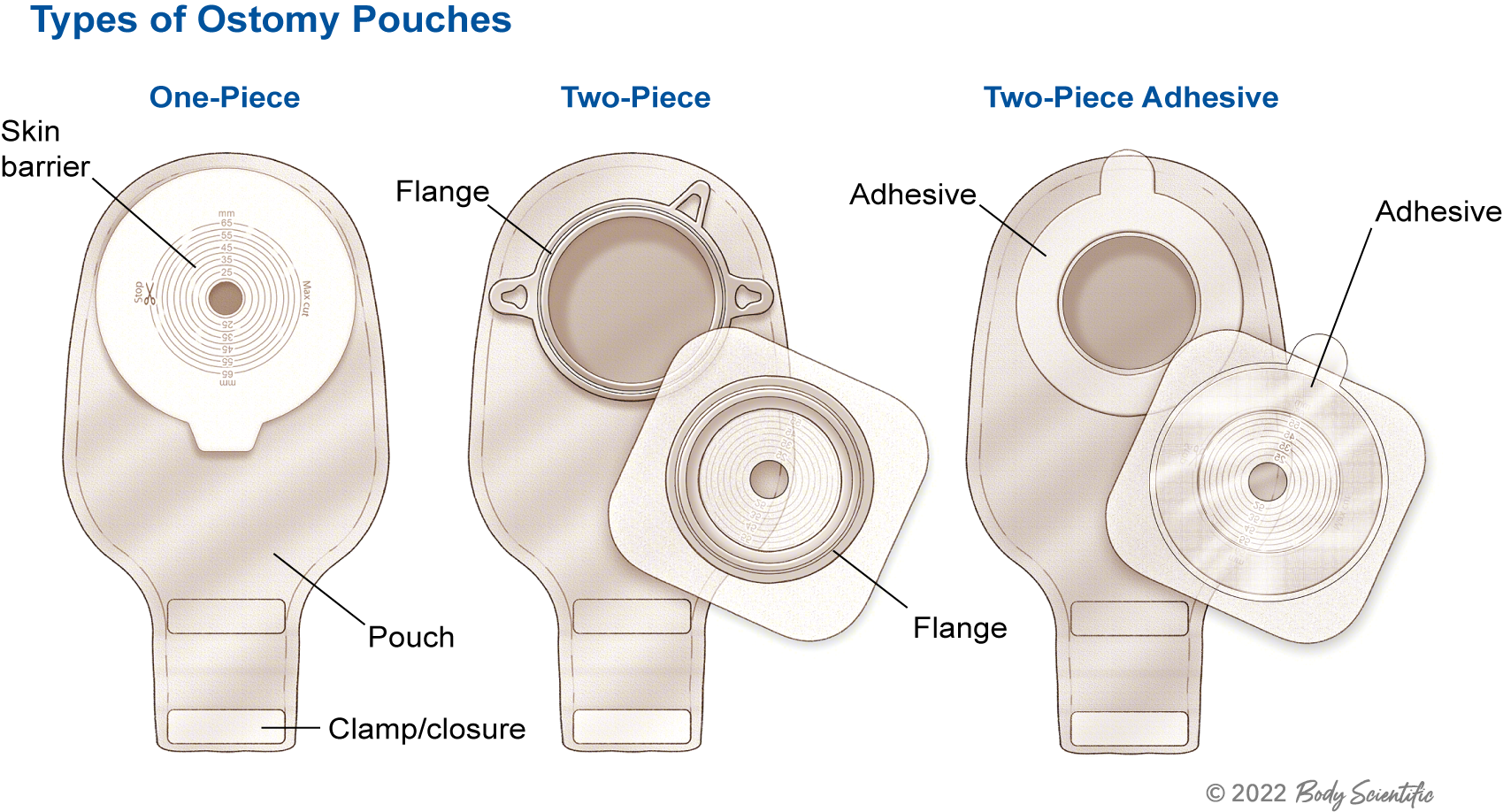
An ostomy is a surgically created opening in the abdomen that allows stool or urine to exit the body when natural function is impaired. The three main types are colostomy, ileostomy, and urostomy. Ostomies may be temporary or permanent depending on medical need. This page explains how ostomies work, why they’re performed, what recovery looks like, and how people live full lives with an ostomy.




 UOAA provides a dedicated resource page for