Managing Life After Surgery

Life after ostomy surgery can feel like a mix of relief, uncertainty, and “Okay… how do I actually do this?” You’re learning new routines, adjusting to a different body, and trying to get back to your normal life—while your body is still healing.

Here’s the truth: most people do adapt, and life with an ostomy can become steady, active, and fully yours again. The key is getting the fundamentals right: recovery, pouching fit, skin care, hydration, nutrition, and support.

This guide is built to help you manage the real day-to-day of ostomy life—without the fluff.

What to expect after ostomy surgery

Right after surgery, your priorities are simple:

  • Heal well
  • Learn the basics of stoma and pouch care
  • Prevent skin issues early
  • Build confidence through repetition

In the beginning, things can change fast—swelling, output patterns, your stoma size, and your comfort level. That’s normal. You’re not failing; you’re adjusting.

Tip that saves people a lot of stress: if you can, work with an ostomy nurse (WOC nurse). They’re trained specifically in pouch fit, leak prevention, and skin protection—and that guidance can shorten your learning curve dramatically.

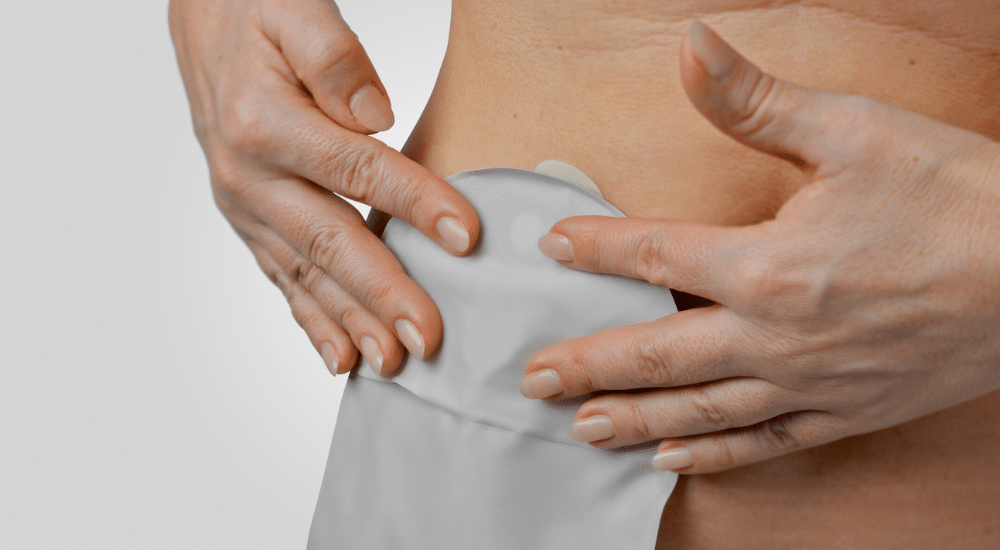
woman with an ostomy
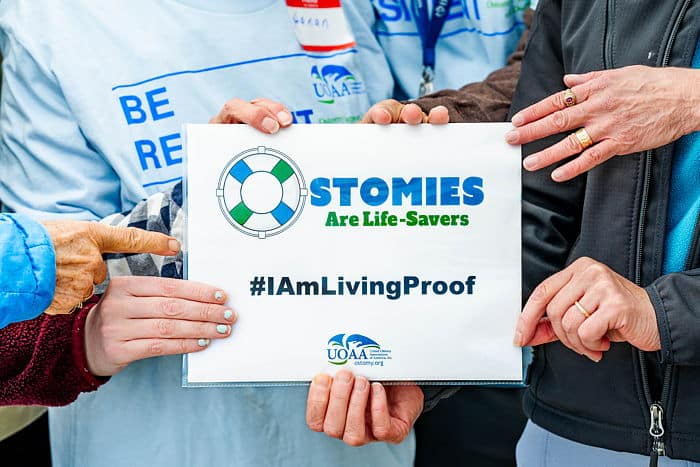
Ostomies are Live-Savers I Am Living Proof

Pouching systems: the fit matters more than the brand

Leaks and discomfort are usually not “just part of ostomy life.” They’re often a sign that something needs adjusting—most commonly fit.

How to set yourself up for success

  • Measure your stoma regularly early on. Stoma size and shape can change during healing, and your barrier opening needs to match.
  • Build a routine. Changing on a schedule (instead of waiting for a problem) can reduce leaks and protect your skin.
  • Protect your skin during removal. Slow removal + adhesive remover (if needed) helps prevent skin trauma.

If you’re consistently dealing with leaks, don’t push through it. That’s your sign to troubleshoot: barrier size, convex vs. flat, wear time, output consistency, or skin condition.

Peristomal skin care: treat it like the foundation of everything

Your peristomal skin (the skin around your stoma) is the difference between “I can live my life” and “I’m constantly dealing with irritation.”

Skin care essentials:

  • Keep it clean and dry. A clean, fully dry surface helps your barrier adhere properly.
  • Avoid oily skincare products near the area. Oils can interfere with adhesion.
  • Watch for early irritation. Redness, itching, burning, or weeping skin usually means output is contacting skin or the barrier isn’t sealing correctly.

Rule of thumb: If your skin hurts, something isn’t right. Skin issues are common—but they are also fixable, especially with the help of an ostomy nurse.

Diet after ostomy surgery: strategy beats rules

There isn’t one “ostomy diet” that works for everyone. What matters is understanding patterns and making choices that support your body during recovery.

Practical eating tips

  • Go slow with new foods. Especially early on, introduce foods gradually so you can see what affects output, gas, or comfort.
  • Chew well. This matters more than people expect, especially for ileostomies.
  • Track patterns. A simple food log can help you identify what increases gas, changes output consistency, or causes discomfort.

If you have an ileostomy, food-related issues like blockage risk can be more relevant, so it’s smart to follow your medical team’s guidance closely during recovery.

Hydration after ostomy surgery: not optional

Hydration is one of the most important long-term habits after ostomy surgery—especially for ileostomy patients, where dehydration risk can be higher.

Hydration tips that actually work

  • Drink consistently throughout the day, not just when you feel thirsty.
  • Hydrate more during heat, activity, and illness. Output can increase, and dehydration can sneak up quickly.
  • Use electrolyte strategies when appropriate. For some people, water alone doesn’t fully replace what’s lost.

If you notice signs like dizziness, fatigue, dark urine (if applicable), headaches, or unusually high output—treat it seriously and contact your care team.

Movement, strength, and getting back to normal life

Recovery isn’t just about healing—it’s about rebuilding confidence in your body.

Start small:

  • Short walks
  • Gentle daily movement
  • Gradual return to routine tasks

As you progress, you can work toward strength and endurance again—often with guidance from your medical team, physical therapist, or rehab support.

The goal: safe consistency, not hero mode.

Returning to work, travel, and everyday logistics

Once your routine feels steady, life gets easier fast.

Smart daily-life habits

  • Keep a small “go kit.” A few essentials can reduce anxiety when you’re away from home.
  • Plan for changes, not perfection. Even experienced ostomates have unexpected moments—being prepared makes them manageable.
  • Build a re-order rhythm. Staying stocked avoids stress and last-minute scrambling.

Over time, your ostomy care becomes less “a big thing” and more like brushing your teeth—just part of life.

Confidence, body image, and relationships

This is real life, so let’s say it plainly: it’s normal to grieve the change, feel self-conscious, or worry about intimacy and dating.

A few helpful truths:

  • You get to decide who you tell and when.
  • Confidence grows with competence—each successful pouch change, each outing, each solved problem builds it.
  • Support (from peers who get it) can make a huge emotional difference.

Support makes everything easier (and faster)

If you want to feel less alone and learn faster, connect with support:

  • Local or virtual support groups
  • Peer-to-peer programs
  • Community forums and education resources

You don’t need to figure this out solo.

Frequently Asked Questions

Many people start feeling more confident within the first few weeks as routines form, but full adjustment can take a few months. It’s normal for things to feel unfamiliar at first.

Leaks are often caused by fit issues (barrier opening size, convexity needs, uneven skin surface), wear time going too long, or skin irritation preventing a seal.

Yes—many people shower with the pouch on, and some prefer it off depending on comfort and routine.

There’s no single diet for everyone. Most people do best reintroducing foods gradually, chewing well, and tracking patterns—especially early in recovery.

Some ostomies (especially ileostomies) can increase fluid loss. Consistent hydration helps reduce dehydration risk and supports energy and recovery.